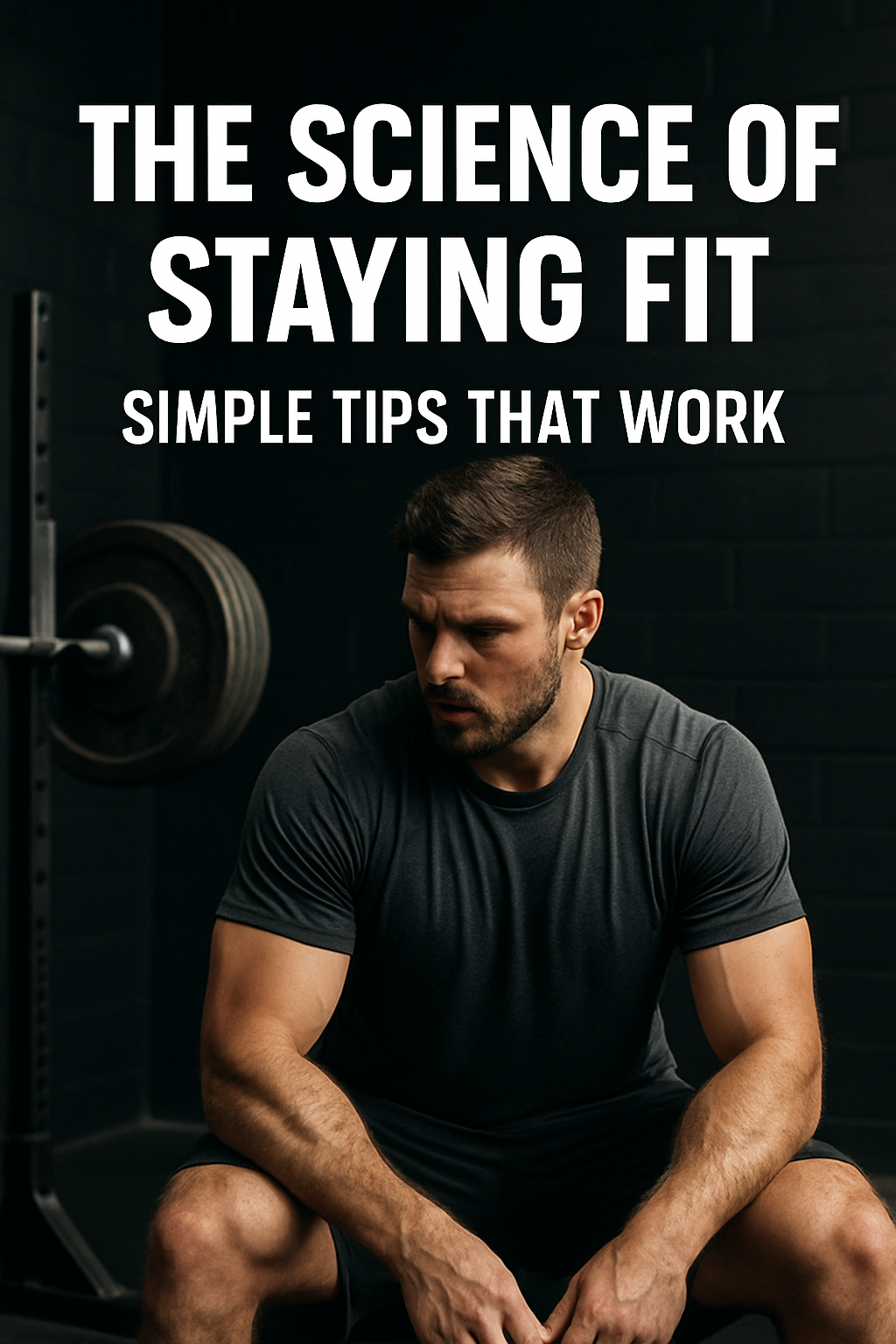
The Science of Staying Fit: Simple Tips That Work

Introduction
In a world flooded with fitness trends and conflicting advice, understanding the science behind physical fitness can help cut through the noise. This article explores evidence-based approaches to fitness that are both effective and sustainable. No fads. Just facts.
Understanding Fitness: Beyond Aesthetics
True fitness encompasses multiple dimensions: cardiovascular endurance, muscular strength, flexibility, body composition, and metabolic health. While visible results may motivate us, the most profound benefits happen internally.
Regular exercise triggers mitochondrial biogenesis. Your cells literally create more energy factories, improving overall efficiency and endurance. Exercise also stimulates BDNF production, which protects neurons and enhances cognitive function, essentially creating a buffer against age-related cognitive decline. Consistent training improves your body's ability to switch between using carbohydrates and fats for fuel, optimizing energy utilization throughout the day.
The Minimum Effective Dose
Research has identified the threshold amounts of activity needed for significant health benefits. The CDC recommends 150 minutes of moderate activity weekly. This translates to just thirty minutes, five days a week, which is achievable for most people. Studies show this level reduces all-cause mortality by approximately thirty percent.
Two strength training sessions weekly, engaging all major muscle groups, maintains muscle mass, supports metabolism, and enhances functional capacity as you age. This does not require hours in the gym. Even twenty to thirty minute sessions produce results.
Research from the American College of Sports Medicine shows that interrupting prolonged sitting with brief movement every thirty to sixty minutes significantly improves metabolic markers, even in people who exercise regularly.
The Hierarchy of Fitness Effectiveness
Not all approaches deliver equal results. Science points to several evidence-based priorities.
Progressive resistance training, which involves gradually increasing the challenge to your muscles through weight, volume, or intensity, is the fundamental principle behind strength development. This progressive overload stimulates muscle protein synthesis and bone mineral density improvements.
High-intensity interval training, or HIIT, involves brief bursts of intense effort alternated with recovery periods. Research shows this improves oxygen utilization and insulin sensitivity more efficiently than steady-state cardio, often in half the time.
Research consistently shows that adherence to a moderate program over time outperforms sporadic high-intensity efforts for long-term results and injury prevention. Consistency truly trumps intensity.
Nutrition: Fueling Performance and Recovery
Exercise creates the stimulus, but nutrition determines the adaptation.
Consuming twenty to thirty grams of quality protein every three to four hours optimizes muscle protein synthesis throughout the day. This approach is more effective than concentrating protein in one or two large meals.
Understanding your individual energy needs prevents both under-fueling, which compromises performance and recovery, and over-consuming, which impedes body composition goals. Most people benefit from slight caloric deficits or surpluses of three hundred to five hundred calories depending on their goals.
Key nutrients like vitamin D, magnesium, and omega-3 fatty acids play crucial roles in exercise performance and recovery. Blood work can identify specific deficiencies worth addressing through diet or supplementation.
Recovery: The Missing Link
The adaptation to exercise occurs during recovery, not during the workout itself.
During deep sleep, growth hormone secretion peaks, facilitating tissue repair and adaptation. Research demonstrates that consistently getting less than seven hours of sleep significantly impairs recovery and blunts training adaptations.
Chronic stress elevates cortisol, which can break down muscle tissue and increase fat storage, particularly in the abdominal area. Incorporating mindfulness practices helps mitigate these effects.
Light movement on rest days enhances blood flow to muscles, removing metabolic waste products and delivering nutrients that accelerate healing. Think walking, swimming, or gentle yoga rather than complete inactivity.
Behavioral Science of Fitness Adherence
Understanding the psychology of habit formation dramatically improves long-term success.
Research shows that specific if-then plans increase follow-through by up to three hundred percent compared to general intentions. For example, telling yourself, "If it is Monday morning, then I will do my strength workout before work," creates a clear trigger for action.
Removing friction from desired behaviors and adding friction to unwanted behaviors leverages behavioral science for fitness success. Examples include setting out workout clothes the night before or taking a route home that does not pass fast food restaurants.
Studies consistently demonstrate that workout adherence improves with social support, whether through workout partners, classes, or online communities with similar goals.
Personalization: The Future of Fitness
Emerging research points to the importance of individualized approaches. Variations in genes like ACTN3 and ACE influence how individuals respond to different types of training. While the science is still developing, acknowledging that not everyone responds identically to the same program is important.
Your circadian rhythms affect exercise performance. Most people show peak strength in the afternoon and better endurance in the morning. Aligning workouts with your body's natural rhythms can optimize results.
Factors like insulin sensitivity, muscle fiber composition, and hormonal profiles create unique metabolic landscapes. Tracking your personal responses to different training and nutrition strategies helps identify your optimal approach.
Conclusion: Sustainable Progress
The science of fitness ultimately reveals that consistency trumps perfection. Small, science-backed habits maintained over years deliver far greater results than intense but short-lived fitness pursuits.
Focus on gradual progression, adequate recovery, and approaches you genuinely enjoy. You will build not just a fitter body, but a sustainable relationship with physical activity that serves you for life.
By understanding and applying these evidence-based principles, you can cut through fitness misinformation and focus on what truly works, both in the laboratory and in real life. Your body is an incredible adaptive machine. Give it the right stimuli consistently, and it will transform in ways you might never have thought possible.
The views expressed in this article are those of the author and do not necessarily reflect the views of WriteFlow. WriteFlow does not endorse this content and does not guarantee its accuracy or completeness.




Comments (0)