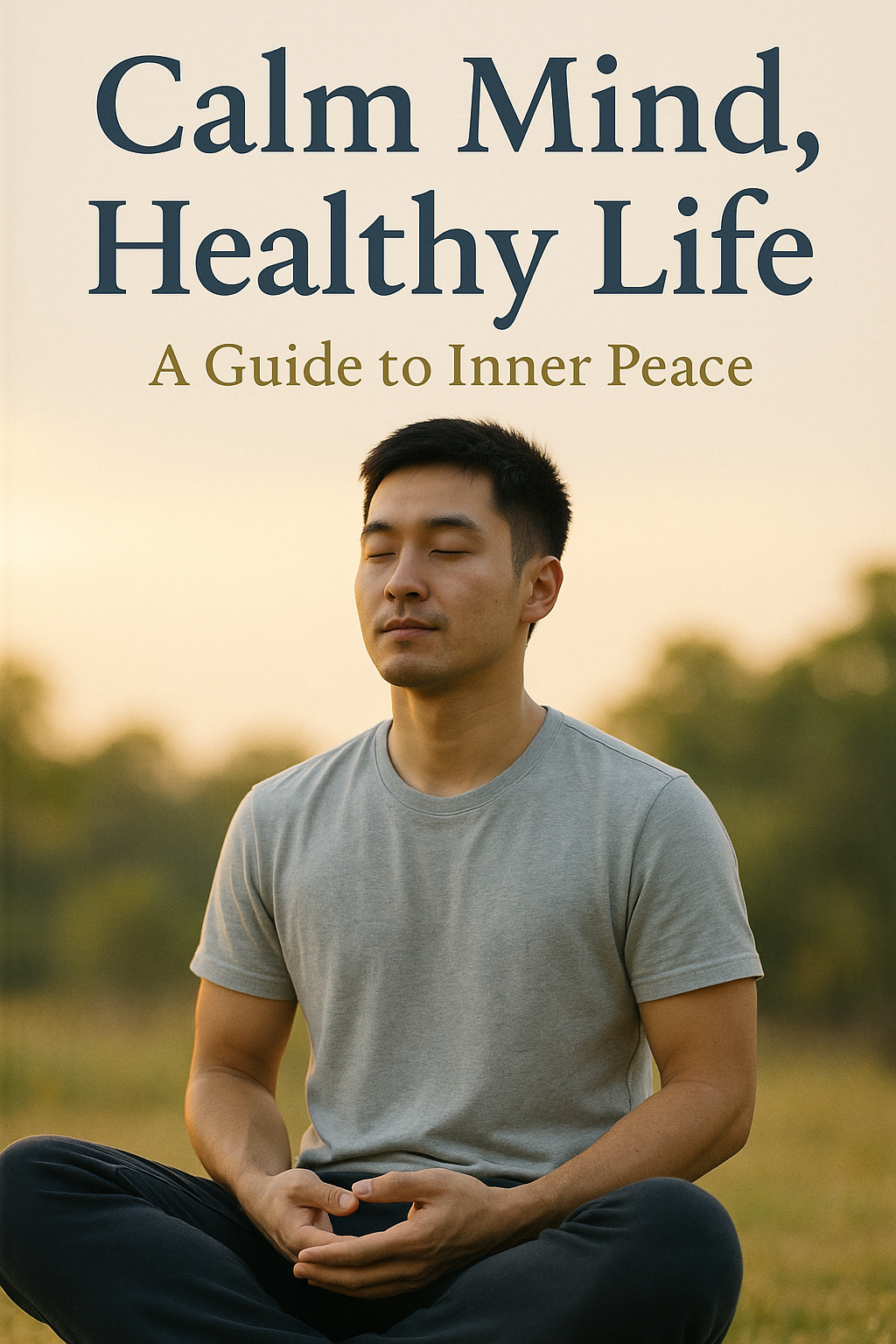
Calm Mind, Healthy Life: A Guide to Inner Peace

Introduction
In today's fast-paced world, finding inner peace is not just a luxury. It is essential for our overall well-being. When we cultivate a calm mind, we create the foundation for a healthier, more balanced life. This guide explores practical strategies to help you nurture inner peace and build resilience against life's inevitable challenges.
Understanding the Mind-Body Connection
The relationship between mental and physical health is powerful and bidirectional. Research consistently shows that chronic stress triggers inflammatory responses in the body, potentially contributing to various health issues including heart disease, digestive problems, and weakened immunity. Conversely, practices that promote mental calm can trigger positive physiological responses—reducing blood pressure, improving sleep quality, and enhancing immune function.
Daily Practices for Inner Calm
Mindful Breathing
One of the simplest yet most effective ways to quiet mental chatter is through focused breathing. When you notice tension or racing thoughts, pause whatever you are doing. Take a deep breath through your nose for four counts. Hold briefly. Exhale slowly through your mouth for six counts. Repeat three to five times. This simple practice activates your parasympathetic nervous system, your body's natural relaxation response.
Meditation Basics
Regular meditation practice has been shown to physically change brain structure, strengthening areas associated with attention and emotional regulation while reducing activity in regions linked to stress. For beginners, start with just five minutes daily. Focus on your breath or use a guided meditation. When your mind wanders, and it will, gently bring your attention back. Gradually increase duration as comfort grows.
Movement as Medicine
Physical activity is not just beneficial for your body. It is powerful medicine for your mind. Exercise releases endorphins and other mood-enhancing neurochemicals while reducing stress hormones like cortisol. Find movement that brings you joy, whether it is walking in nature, dancing to favorite music, or flowing through yoga poses.
Creating Peace in Your Environment
Our surroundings significantly influence our mental state. Consider decluttering spaces that feel chaotic. Create a dedicated relaxation corner with comfortable seating and calming elements. Incorporate natural elements like plants or a small tabletop fountain. Limit digital noise by designating tech-free zones or hours.
Nurturing Healthy Relationships
Social connections profoundly impact our sense of well-being. Quality relationships provide emotional support during difficult times and enhance our joy during good ones. Practice setting healthy boundaries. Listen actively without immediately jumping to solutions. Express gratitude regularly. Choose relationships that energize rather than deplete you.
Nutrition and Mental Well-being
What we eat affects how we feel. Research increasingly shows that certain dietary patterns support brain health and emotional balance. Emphasize whole foods rich in omega-3 fatty acids, antioxidants, and complex carbohydrates. Stay hydrated, as even mild dehydration can affect mood and cognitive function. Be mindful of caffeine and alcohol intake, which can disrupt sleep and intensify anxiety. Notice how different foods affect your energy and mood.
Embracing Imperfection
Perhaps the most important aspect of cultivating inner peace is developing self-compassion. The pursuit of perfection creates constant internal tension, while accepting our humanity—complete with flaws and mistakes—allows for genuine peace. Practice speaking to yourself with the same kindness you would offer a good friend.
Integrating Calm into Daily Life
Inner peace is not about escaping life's challenges but developing the capacity to remain centered within them. Small, consistent practices woven throughout your day can gradually transform your relationship with stress.
Begin the day with intention rather than immediately checking devices. Take brief mindful moments between activities. Practice gratitude at specific transition points. End each day with reflection on moments of connection or joy.
Remember that cultivating inner peace is a journey, not a destination. Be patient with yourself as you explore different practices, noticing what truly helps you feel more centered and aligned. Over time, these small shifts in awareness and habit can profoundly transform your experience of life, creating space for greater clarity, compassion, and joy.
The views expressed in this article are those of the author and do not necessarily reflect the views of WriteFlow. WriteFlow does not endorse this content and does not guarantee its accuracy or completeness.
Comments (0)