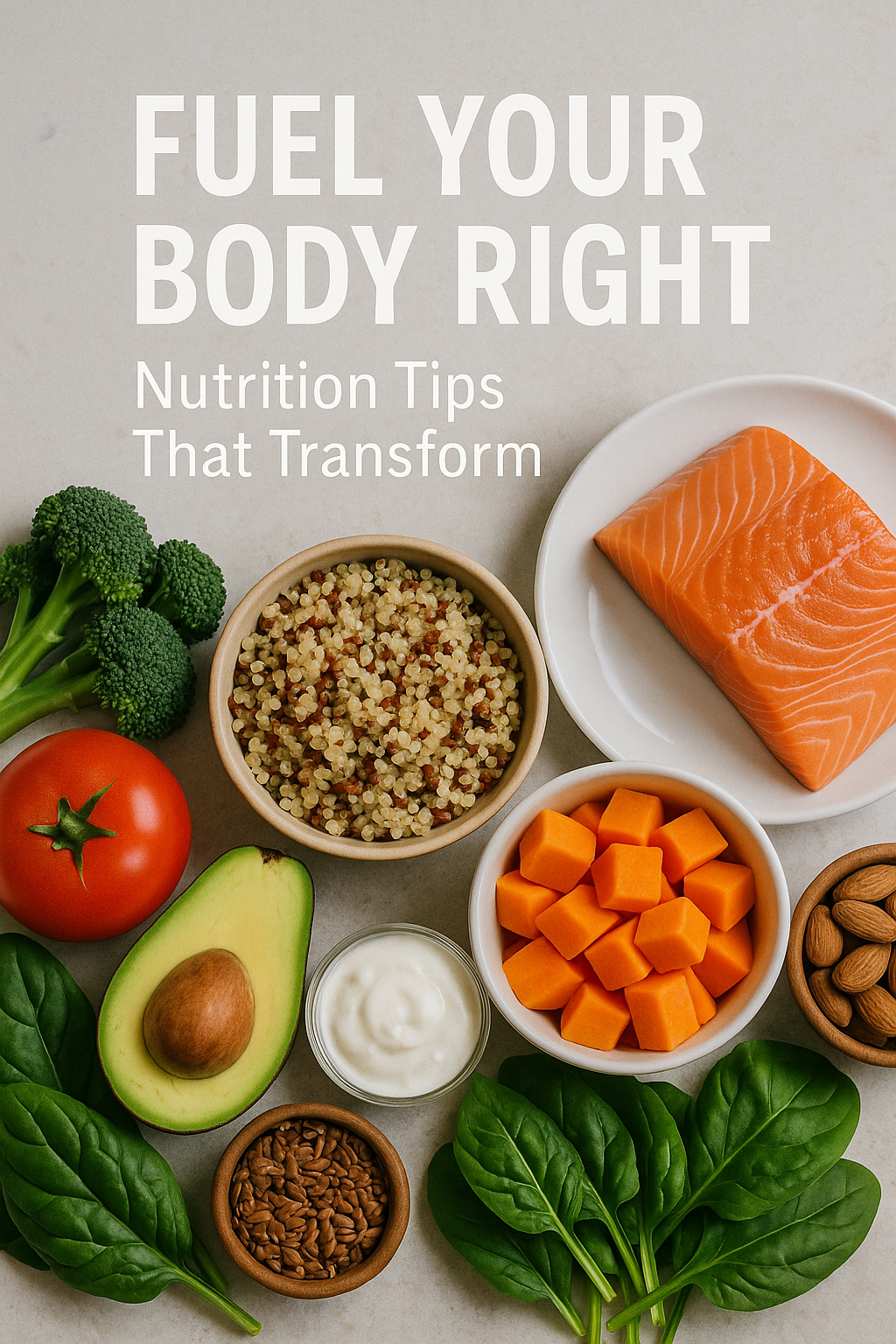
Fuel Your Body Right: Nutrition Tips That Transform

Introduction
In a world overflowing with conflicting dietary advice and ever-changing nutrition trends, finding a sustainable approach to nourishing your body can feel overwhelming. Yet the fundamental principles of good nutrition remain remarkably consistent. Understanding them can transform not just your physical health, but your energy levels, mental clarity, and overall quality of life.
The Foundation: Understanding Your Body's Needs
At its core, nutrition is about providing your body with the essential materials it needs to function optimally.
Macronutrients: The Energy Providers
Proteins are the building blocks of life. They are essential for muscle repair, immune function, and cellular health. Quality sources include lean meats and poultry, fish and seafood, eggs, legumes such as beans and lentils, tofu and tempeh, and Greek yogurt or cottage cheese.
Carbohydrates are your body's preferred energy source, especially for brain function and high-intensity activities. Focus on complex carbohydrates that provide sustained energy. These include whole grains like brown rice, quinoa, and oats, starchy vegetables such as sweet potatoes and butternut squash, legumes, and fresh fruits.
Fats are essential for hormone production, brain health, and nutrient absorption. Prioritize healthy sources like avocados, nuts and seeds, olive oil, fatty fish such as salmon and mackerel, and coconut in moderation.
Micronutrients: The Cellular Support System
Vitamins are organic compounds needed in small amounts for numerous biological processes. Each plays a unique role. Vitamin A supports vision, immune function, and cell growth. The B vitamins are essential for energy production and nervous system health. Vitamin C provides immune support, collagen production, and antioxidant protection. Vitamin D is crucial for bone health, immune regulation, and mood balance. Vitamin E offers antioxidant protection and supports skin health. Vitamin K is necessary for blood clotting and bone health.
Minerals are inorganic elements that serve as structural components and regulatory agents. Calcium builds bone and tooth structure while supporting muscle function and nerve transmission. Iron is essential for oxygen transport and energy production. Magnesium supports enzyme function, muscle relaxation, and nervous system regulation. Zinc boosts immune function, wound healing, and DNA synthesis. Potassium maintains fluid balance, nerve signal transmission, and muscle contraction.
Water is often overlooked but absolutely essential. It comprises about sixty percent of your body weight and is involved in nearly every bodily function.
Beyond Nutrients: The Art of Balanced Eating
While understanding individual nutrients is important, true nutritional transformation comes from how you combine foods and structure your overall eating pattern.
The Power of Whole Foods
The most powerful nutritional strategy is remarkably simple. Build your diet around minimally processed whole foods. These foods deliver nutrients in their natural proportions with beneficial compounds that work synergistically. Phytonutrients are plant compounds with antioxidant and anti-inflammatory properties. Fiber supports digestion, feeds beneficial gut bacteria, and regulates blood sugar. Enzymes aid digestion and various metabolic processes. Prebiotics and probiotics support gut health and immune function.
When most of your diet comes from whole foods, you naturally receive a balanced profile of nutrients without excessive calories, added sugars, sodium, or unhealthy fats.
The Balanced Plate Method
A simple way to ensure balanced nutrition is to visualize your plate divided into sections. Fill half your plate with vegetables and fruits, emphasizing variety and color. Fill one quarter of your plate with quality protein sources. Fill the remaining quarter with complex carbohydrates or whole grains. Add a modest amount of healthy fats. Complement your meal with water, herbal tea, or other unsweetened beverages.
This approach automatically balances your macronutrients while ensuring ample micronutrient intake.
Transformative Nutrition Strategies
Beyond the basics, several evidence-based strategies can elevate your nutritional approach.
Eat the Rainbow
Each color in fruits and vegetables represents different phytonutrients with unique health benefits. By consuming a variety of colors daily, you ensure a broad spectrum of protective compounds.
Red foods like tomatoes and watermelon contain lycopene, which supports heart and prostate health. Orange and yellow foods such as carrots and citrus fruits provide beta-carotene and vitamin C for immune and eye health. Green foods including leafy greens and broccoli offer lutein, zeaxanthin, and folate for eye and brain health. Blue and purple foods like berries and eggplant contain anthocyanins for cognitive function and cell protection. White foods such as garlic and onions provide allicin for immune support and heart health.
Mind Your Gut Microbiome
The trillions of bacteria in your digestive tract profoundly influence your overall health, affecting everything from digestion to immunity to brain function. Nourish these beneficial bacteria with prebiotic and probiotic foods.
Prebiotic foods are fiber-rich foods that feed beneficial bacteria. These include garlic, onions, leeks, asparagus, bananas, and oats. Probiotic foods are fermented foods containing live beneficial bacteria. These include yogurt, kefir, sauerkraut, kimchi, and kombucha. Eating a diverse range of plant foods makes your microbiome more diverse and resilient.
Balance Blood Sugar
Maintaining stable blood sugar levels is crucial for consistent energy, mood stability, and long-term metabolic health. Pair carbohydrates with protein and healthy fats. Prioritize high-fiber foods that slow digestion. Minimize refined sugars and flours. Include some protein with each meal and snack. Consider the timing and spacing of your meals.
Strategic Meal Timing
When you eat can be almost as important as what you eat. Breakfast fuels your day and helps regulate appetite hormones. Allowing three to five hours between meals supports proper digestion. Finishing dinner at least two to three hours before bedtime improves sleep quality. For some people, time-restricted eating, such as a twelve-hour overnight fast, may offer metabolic benefits.
Hydration as Foundation
Proper hydration affects every aspect of health, from cognitive function to digestion to cellular operation. Aim for approximately half your body weight in pounds in ounces of water daily. Increase intake during exercise, hot weather, or illness. Consider the hydrating effects of fruits, vegetables, and herbal teas. Monitor hydration through urine color, with pale yellow indicating good hydration.
Personalization: The Future of Nutrition
While general principles apply broadly, nutrition is not one-size-fits-all. Various factors influence your individual needs. Genetic variations affect how you metabolize certain nutrients. Your activity level determines how much energy and protein you require. Different life stages, including pregnancy, growth periods, and aging, change nutritional requirements. Certain health conditions may necessitate specific dietary approaches. Food sensitivities require individualized elimination or adjustment.
Pay attention to how different foods affect your energy, digestion, sleep, and overall wellbeing. This body awareness is your most valuable tool for personalizing your nutritional approach.
Implementation: Making Nutrition Sustainable
Knowledge alone rarely leads to lasting change. These practical strategies help translate nutrition knowledge into daily habits.
Start With Small Changes
Rather than overhauling your entire diet at once, focus on one sustainable change at a time. Add one serving of vegetables to your daily routine. Switch from refined grains to whole grains in one meal. Replace one processed snack with a whole food alternative. Add a new vegetable to your grocery list each week.
Prepare for Success
Environment shapes behavior more powerfully than willpower. Stock your kitchen with nutritious options. Prepare staples in advance, such as cooked grains, cut vegetables, and washed fruits. Plan meals before grocery shopping. Keep healthy snacks visible and accessible.
Develop Food Skills
Learning to prepare simple, delicious meals empowers your nutrition journey. Master a few versatile cooking methods like roasting, sautéing, and one-pot meals. Learn to properly store produce to maximize freshness. Experiment with herbs and spices instead of excess salt or sugar. Find simple ways to transform leftovers into new meals.
Practice Mindful Eating
How you eat is nearly as important as what you eat. Minimize distractions during meals. Eat slowly and chew thoroughly. Pay attention to hunger and fullness cues. Notice how different foods affect your energy and mood.
Beyond Physical Nutrition: The Mind-Body Connection
A truly transformative approach to nutrition recognizes the profound connection between your relationship with food and your overall wellbeing.
Cultivate a Healthy Food Relationship
Focus on adding nourishing foods rather than restriction. Avoid labeling foods as good or bad. Practice flexible consistency rather than rigid perfectionism. Honor hunger as a biological signal. Recognize emotional eating patterns and develop alternative coping strategies.
Find Your Balance
The most sustainable nutrition approach allows for both nourishment and enjoyment. Follow nourishing principles most of the time, around eighty to ninety percent. Allow space for celebration foods without guilt. Adjust your approach during special occasions, travel, or illness. Recognize that nutrition needs change throughout life.
Conclusion: Transformation Through Nourishment
True nutritional transformation is not about following the latest trend or achieving a certain aesthetic. It is about consistently nourishing your body in a way that supports vitality, longevity, and quality of life. When you fuel your body properly, you create a foundation that supports every other aspect of your health and wellbeing.
By understanding basic nutritional principles, implementing sustainable strategies, and developing a balanced relationship with food, you can experience profound changes in your energy, mood, cognitive function, and physical performance. These daily choices, compounded over time, do not just transform your body. They transform your life.
Remember that nutrition is a journey rather than a destination. Approach it with curiosity, patience, and self-compassion, celebrating progress rather than pursuing perfection. Your body is remarkable in its resilience and responsiveness. Give it the right fuel, and it will reward you with the energy and vitality to live your fullest life.
The views expressed in this article are those of the author and do not necessarily reflect the views of WriteFlow. WriteFlow does not endorse this content and does not guarantee its accuracy or completeness.




Comments (0)