Fit Is Not a Destination, It's a Lifestyle

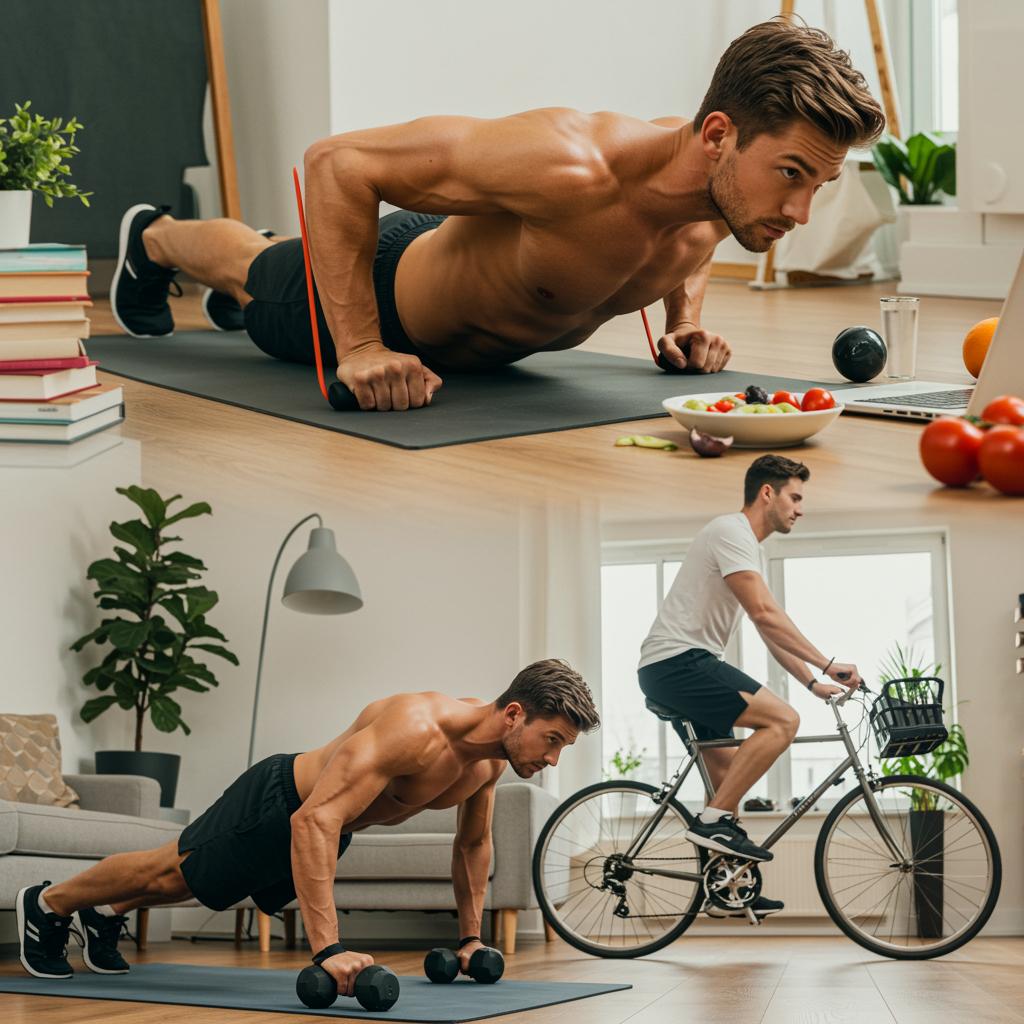
Redefining Fitness: Beyond the Finish Line Mentality
The greatest misconception in the fitness world is treating health and wellness as a temporary project with a defined endpoint. This destination-focused mindset creates a cycle of short-term motivation followed by inevitable disappointment when the initial excitement wanes. True fitness transcends the concept of reaching a specific weight, achieving a particular body fat percentage, or completing a challenging workout program. Instead, it represents a fundamental shift in how you approach daily life, making health-conscious decisions as natural as breathing.
When fitness becomes a lifestyle, it transforms from a burden into an integral part of your identity. You no longer force yourself to exercise or restrict certain foods because you should. Instead, you naturally gravitate toward choices that support your well-being because they align with who you have become. This paradigm shift eliminates the internal conflict between what you want to do and what you know you should do, creating harmony between your desires and your health goals.
The lifestyle approach recognizes that fitness exists on a spectrum rather than as a binary state of fit or unfit. Some days you will feel energized and powerful, while others might challenge your commitment and endurance. Both experiences contribute to your overall journey, teaching valuable lessons about resilience, adaptation, and self-compassion. Embracing this variability removes the pressure to maintain perfection and allows for sustainable progress over time.
The Psychology of Sustainable Change
Behavioral psychology reveals that lasting change occurs through small, consistent actions rather than dramatic overhauls. The concept of atomic habits demonstrates how tiny improvements compound over time to create remarkable transformations. When you focus on becoming the type of person who exercises regularly rather than someone who is trying to lose weight, your actions naturally align with this identity. This shift in self-perception makes healthy choices feel authentic rather than forced.
The process of habit formation involves three components: cue, routine, and reward. Understanding this loop allows you to design environments and situations that naturally encourage healthy behaviors. For example, placing your workout clothes beside your bed creates a visual cue that triggers the routine of morning exercise, which is rewarded by the endorphin rush and sense of accomplishment that follows. Over time, this sequence becomes automatic, requiring minimal willpower to maintain.
Intrinsic motivation proves far more powerful than external pressures when sustaining long-term lifestyle changes. While short-term goals like fitting into a specific outfit or looking good for an event can provide initial momentum, they lack the staying power needed for lifelong transformation. Discovering personal reasons that resonate deeply, such as having energy to play with your children, maintaining independence as you age, or feeling confident in your own skin, creates an emotional foundation that withstands temporary setbacks and challenges.
Building Your Fitness Foundation
The cornerstone of a fit lifestyle rests on movement variety that keeps you engaged while addressing all aspects of physical fitness. Cardiovascular health, muscular strength, flexibility, and balance work together to create a well-rounded fitness foundation. Rather than becoming obsessed with one particular type of exercise, successful lifestyle adopters incorporate different activities throughout their week, season, and year. This variety prevents overuse injuries, maintains mental interest, and ensures comprehensive physical development.
Strength training forms a non-negotiable component of lifelong fitness, particularly as we age and naturally lose muscle mass. Regular resistance exercise maintains bone density, supports metabolic health, and preserves functional movement patterns essential for daily activities. The beauty of strength training lies in its adaptability. You can use bodyweight exercises, resistance bands, free weights, or machines depending on your preferences, available equipment, and physical limitations.
Cardiovascular fitness extends far beyond traditional cardio machines and running. Dancing, hiking, swimming, cycling, playing sports, or even vigorous household activities contribute to heart health and endurance. The key is finding activities you genuinely enjoy, as this enjoyment factor significantly increases adherence rates. When exercise feels like play rather than work, consistency becomes effortless and sustainable.
Nutrition as Fuel, Not Restriction
The lifestyle approach to nutrition focuses on nourishing your body optimally rather than restricting foods or following rigid diet rules. This perspective shift transforms eating from a source of guilt and anxiety into an opportunity to support your energy, performance, and overall well-being. Understanding how different foods affect your body allows you to make informed choices based on how you want to feel rather than arbitrary external rules.
Whole foods naturally become the foundation of your eating patterns when you prioritize how food makes you feel. Fresh fruits and vegetables provide essential vitamins, minerals, and fiber while supporting sustained energy levels. Lean proteins support muscle recovery and satiety, while healthy fats contribute to hormone production and nutrient absorption. Complex carbohydrates fuel your workouts and daily activities while supporting brain function and mood stability.
The concept of flexible eating acknowledges that life includes celebrations, social gatherings, and spontaneous experiences that may not align perfectly with your usual eating patterns. A lifestyle approach incorporates these occasions without guilt or the need to make up for indulgences. This flexibility prevents the all-or-nothing mentality that derails many people's long-term success and creates a sustainable relationship with food that can last a lifetime.
Creating Your Personal Movement Practice
Developing a personal movement practice involves discovering activities that align with your personality, schedule, and physical preferences. Some people thrive on the energy of group fitness classes, while others prefer the solitude of solo workouts. Some enjoy the structure of planned routines, while others crave the freedom of spontaneous activity. Honoring these preferences increases the likelihood of long-term adherence and enjoyment.
Time constraints represent one of the most common barriers to consistent exercise, but a lifestyle approach works within your reality rather than against it. High-intensity interval training can provide significant benefits in fifteen to twenty minute sessions, while bodyweight exercises eliminate travel time to gyms. Morning workouts energize your day and prevent evening schedule conflicts, while lunchtime walks break up sedentary work periods and boost afternoon productivity.
Seasonal variation keeps your movement practice fresh and exciting while allowing your body to adapt to different challenges throughout the year. Summer might emphasize outdoor activities like hiking, swimming, or cycling, while winter could focus more on indoor strength training and flexibility work. This natural rhythm prevents boredom and overuse injuries while keeping you connected to the changing environment around you.
The Role of Recovery and Rest
Recovery represents an active component of a fit lifestyle rather than simply the absence of exercise. Quality sleep, stress management, and deliberate rest periods allow your body to adapt to training stimuli and prepare for future challenges. Understanding that progress occurs during recovery periods helps you prioritize rest without guilt or the feeling that you are being lazy.
Sleep quality directly impacts every aspect of your health and fitness goals. During deep sleep, your body releases growth hormone, repairs damaged tissues, and consolidates memories from the day's learning experiences. Poor sleep disrupts appetite-regulating hormones, increases stress hormones, and impairs decision-making abilities that support healthy choices. Creating consistent sleep routines and optimizing your sleep environment becomes as important as your exercise and nutrition habits.
Stress management techniques become essential tools for maintaining a sustainable fitness lifestyle. Chronic stress elevates cortisol levels, which can impair recovery, promote fat storage, and compromise immune function. Regular practice of stress-reduction activities such as meditation, deep breathing, nature exposure, or engaging hobbies creates resilience and supports your overall well-being goals.
Social and Environmental Factors
Your social environment significantly influences your ability to maintain a fit lifestyle. Surrounding yourself with like-minded individuals who share similar values creates natural accountability and support. This does not mean abandoning friends who do not share your fitness interests, but rather expanding your social circle to include people who inspire and encourage your healthy choices.
Family dynamics play a crucial role in lifestyle sustainability, particularly when household members have different health priorities. Leading by example rather than preaching or criticizing creates positive influence without creating conflict. Involving family members in active pursuits, preparing healthy meals together, and celebrating non-food victories builds collective momentum toward better health.
Creating an environment that supports your fitness lifestyle involves organizing your physical spaces to encourage healthy choices. Keeping workout equipment visible and accessible removes barriers to exercise, while stocking your kitchen with nutritious foods makes healthy eating convenient. Removing or relocating items that work against your goals, such as keeping less healthy snacks out of sight, reduces the need for constant willpower.
Overcoming Common Obstacles
Perfectionism represents one of the greatest threats to sustainable lifestyle change. The belief that you must maintain perfect consistency or achieve specific standards creates unrealistic expectations that lead to frustration and abandonment of healthy habits. Embracing the concept of good enough allows for flexibility while maintaining forward momentum. An imperfect workout is infinitely better than no workout, and a mostly healthy day should not be derailed by one less-than-ideal meal choice.
Plateaus and setbacks are inevitable parts of any long-term journey, but they do not represent failure or reasons to quit. These periods often signal the need for program adjustments, recovery focus, or simply patience as your body adapts to current demands. Viewing plateaus as normal parts of the process rather than problems to solve maintains perspective and prevents discouragement.
Time management challenges require creative solutions and priority assessment. Batch cooking on weekends prepares healthy meals for busy weekdays, while combining activities such as walking meetings or family bike rides maximizes efficiency. Recognizing that you have the same twenty-four hours as everyone else helps you take ownership of your choices rather than feeling victimized by circumstances.
Technology and Tools for Success
Modern technology offers numerous tools to support a fit lifestyle, from fitness trackers that monitor daily activity to apps that provide workout guidance and meal planning. However, technology should enhance rather than complicate your efforts. The best tools are those you will actually use consistently, which may be as simple as a notebook for tracking workouts or as sophisticated as a comprehensive health monitoring system.
Wearable devices can provide valuable insights into your daily activity levels, sleep patterns, and recovery status. This objective data helps you make informed decisions about when to push harder, when to prioritize recovery, and how your lifestyle choices impact your overall health metrics. However, avoiding obsession with numbers and maintaining focus on how you feel prevents technology from becoming a source of stress rather than support.
Social media and online communities can provide inspiration, education, and accountability when used thoughtfully. Following accounts that promote realistic, sustainable approaches to health rather than extreme transformations helps maintain perspective and motivation. Participating in online challenges or sharing your journey with supportive communities creates connection and encouragement during challenging periods.
Adapting Through Life Stages
A true lifestyle approach acknowledges that your fitness needs and capabilities will evolve throughout different life stages. The training intensity and frequency appropriate for a college student differs significantly from that of a busy parent or an older adult managing chronic conditions. Successful lifestyle fitness involves adapting your approach while maintaining core principles of regular movement and health-conscious choices.
Pregnancy, injury recovery, career changes, and family responsibilities all require flexibility in your fitness approach. Rather than viewing these periods as interruptions to your fitness routine, consider them opportunities to explore different aspects of health and wellness. Gentle yoga during injury recovery, walking meetings during busy work periods, or family-friendly activities during child-rearing years all contribute to your overall lifestyle goals.
Aging gracefully involves adjusting expectations while maintaining commitment to health and vitality. Focusing on functional movement, balance, and activities that bring joy becomes more important than chasing performance metrics from younger years. The habits established through years of lifestyle fitness provide a foundation that supports quality of life regardless of age-related changes.
Measuring Success Beyond the Scale
Traditional fitness metrics like weight, body fat percentage, and workout performance provide limited insight into the true benefits of a fit lifestyle. More meaningful measures include energy levels throughout the day, quality of sleep, mood stability, stress resilience, and overall life satisfaction. These improvements often occur before physical changes become apparent and provide motivation during periods when visible progress seems slow.
Functional improvements in daily activities represent significant victories that impact quality of life more than aesthetic changes. Climbing stairs without breathlessness, playing with children without fatigue, or maintaining balance and coordination as you age provide practical benefits that extend far beyond appearance. Celebrating these functional gains reinforces the value of your lifestyle choices.
The ripple effects of a fit lifestyle extend into every area of life, improving work performance, relationship satisfaction, and personal confidence. The discipline developed through consistent health habits transfers to other goals and challenges, creating a positive cycle of self-improvement and achievement. These broad life improvements represent the true measure of lifestyle fitness success.
Building Your Personal Philosophy
Developing a personal philosophy around fitness and health provides the foundation for long-term success. This philosophy encompasses your beliefs about what health means to you, why it is important, and how it fits into your broader life values. A clear philosophy guides decision-making during challenging times and helps you stay aligned with your deeper motivations rather than external pressures.
Your fitness philosophy should reflect your unique circumstances, preferences, and goals rather than copying someone else's approach. What works for others may not work for you, and that is perfectly acceptable. Experimenting with different approaches, learning from various sources, and adapting recommendations to fit your life creates a personalized system that feels authentic and sustainable.
Regular reflection and adjustment of your philosophy allows for growth and evolution as you learn more about yourself and what truly serves your well-being. What motivates you at one stage of life may change as your priorities and circumstances evolve. Maintaining flexibility in your philosophy while holding firm to core principles creates a framework that can adapt while remaining stable.
Conclusion
The journey toward making fitness a lifestyle is deeply personal and uniquely challenging for each individual. It requires patience with yourself, willingness to experiment and adapt, and the understanding that setbacks are part of the process rather than indicators of failure. By focusing on becoming the type of person who naturally makes healthy choices rather than someone who forces themselves to follow external rules, you create lasting change that enhances every aspect of your life.
The destination mindset asks whether you are there yet, while the lifestyle mindset appreciates every step of the journey, knowing that the path itself is the destination.
The views expressed in this article are those of the author and do not necessarily reflect the views of WriteFlow. WriteFlow does not endorse this content and does not guarantee its accuracy or completeness.


Comments (0)