From Skinny to Shredded: Your Ultimate Transformation


Introduction: Breaking Free from the Skinny Frame
The journey from skinny to shredded represents one of the most dramatic physical transformations possible. If you have always been the skinny guy who struggles to gain weight, builds muscle slowly, or feels invisible in a crowd, this guide will change everything. Your naturally lean frame, while initially seeming like a disadvantage, actually provides the perfect foundation for achieving that coveted shredded physique that others spend years cutting to reveal.
Being naturally skinny comes with unique challenges that mainstream fitness advice often overlooks. You need significantly more calories than average to gain weight. Your metabolism runs like a furnace. You might feel intimidated in gyms surrounded by naturally larger individuals. However, these same characteristics that make gaining weight difficult also make achieving and maintaining low body fat levels much easier once you build the muscle foundation.
This transformation journey requires a completely different approach than what works for naturally larger individuals. You will need to eat more than feels comfortable, train with intense focus on progressive overload, and be patient as your body gradually transforms. The reward is a physique that looks incredibly impressive at a lean body weight.
Understanding the Skinny Guy's Unique Physiology
Ectomorphs, the scientific term for naturally skinny body types, possess several distinct physiological characteristics that impact their transformation journey. Your naturally high metabolic rate means you burn calories efficiently, making weight gain challenging but fat loss relatively easy. This fast metabolism is largely due to higher levels of thyroid hormones and increased insulin sensitivity.
Your muscle fiber composition tends toward more slow-twitch fibers, which are excellent for endurance but require specific training approaches to maximize growth. Your nervous system is typically more sensitive, meaning you recover quickly from workouts but may need more frequent training sessions to stimulate growth effectively.
Hormone profiles in naturally skinny individuals often include lower baseline testosterone levels and higher cortisol sensitivity. This does not mean you cannot build muscle. It simply means you need to optimize every aspect of your lifestyle to create the most anabolic environment possible.
Your skeletal structure provides several advantages for achieving a shredded appearance. Narrow bone structure means less muscle mass is required to appear well-developed. Your naturally small joints create better muscle-to-bone ratios. When you do build muscle, it appears more defined and impressive relative to your frame size.
Phase 1: Building Your Foundation (Months 1-6)
The initial phase of your transformation focuses entirely on building muscle mass and strength. During this period, you will need to embrace being slightly softer as you gain the weight necessary to support muscle growth. This can be mentally challenging if you are used to being lean, but it is absolutely essential for long-term success.
Your primary goal during this phase is gaining 0.5 to 1 pound per week through a combination of muscle growth and minimal fat gain. This requires eating in a caloric surplus of 300 to 500 calories above your maintenance level. For most skinny guys, this means consuming 2800 to 3500 calories daily.
Training during this phase emphasizes compound movements with moderate to high volume. You will train each muscle group two to three times per week using rep ranges of six to twelve for most exercises. The focus is on progressive overload, consistently adding weight, reps, or sets to force your body to adapt and grow.
Recovery becomes paramount during this muscle-building phase. You will need eight to nine hours of quality sleep nightly. Stress management techniques become essential tools. Your body is working overtime to build new tissue, and inadequate recovery will severely limit your progress.
Expect to gain fifteen to twenty-five pounds during this initial phase, with roughly sixty to seventy percent being lean muscle mass if you execute the plan correctly.
Nutrition Strategy: Eating for Growth
Caloric intake must be your primary focus, even more important than perfect food choices initially. Many skinny guys become obsessed with clean eating while consuming insufficient calories to support growth. It is better to hit your caloric targets with less-than-perfect foods than to eat perfectly clean while remaining in a caloric deficit.
Protein requirements for skinny guys are actually higher than commonly recommended, around 1.2 to 1.4 grams per pound of body weight. This higher intake compensates for potentially lower muscle protein synthesis rates and provides amino acids for significant muscle building.
Carbohydrate intake should be generous, comprising forty-five to fifty-five percent of your total calories. Your fast metabolism handles carbs efficiently, and they are essential for fueling intense training sessions and supporting recovery. Focus on easily digestible sources like rice, oats, bananas, and potatoes around your workouts.
Fat intake supports hormone production and provides calorie-dense nutrition. Aim for twenty-five to thirty percent of calories from fats, emphasizing sources like nuts, nut butters, olive oil, avocados, and fatty fish.
Meal timing and frequency matter more for skinny guys than most other body types. Eating every two to three hours prevents excessive gaps that could lead to muscle breakdown. Consider a large breakfast to start your metabolic engine, pre and post-workout nutrition to fuel performance, a bedtime snack containing casein protein, and liquid calories from smoothies when solid food becomes challenging.
Training Protocol: Maximum Muscle Stimulation
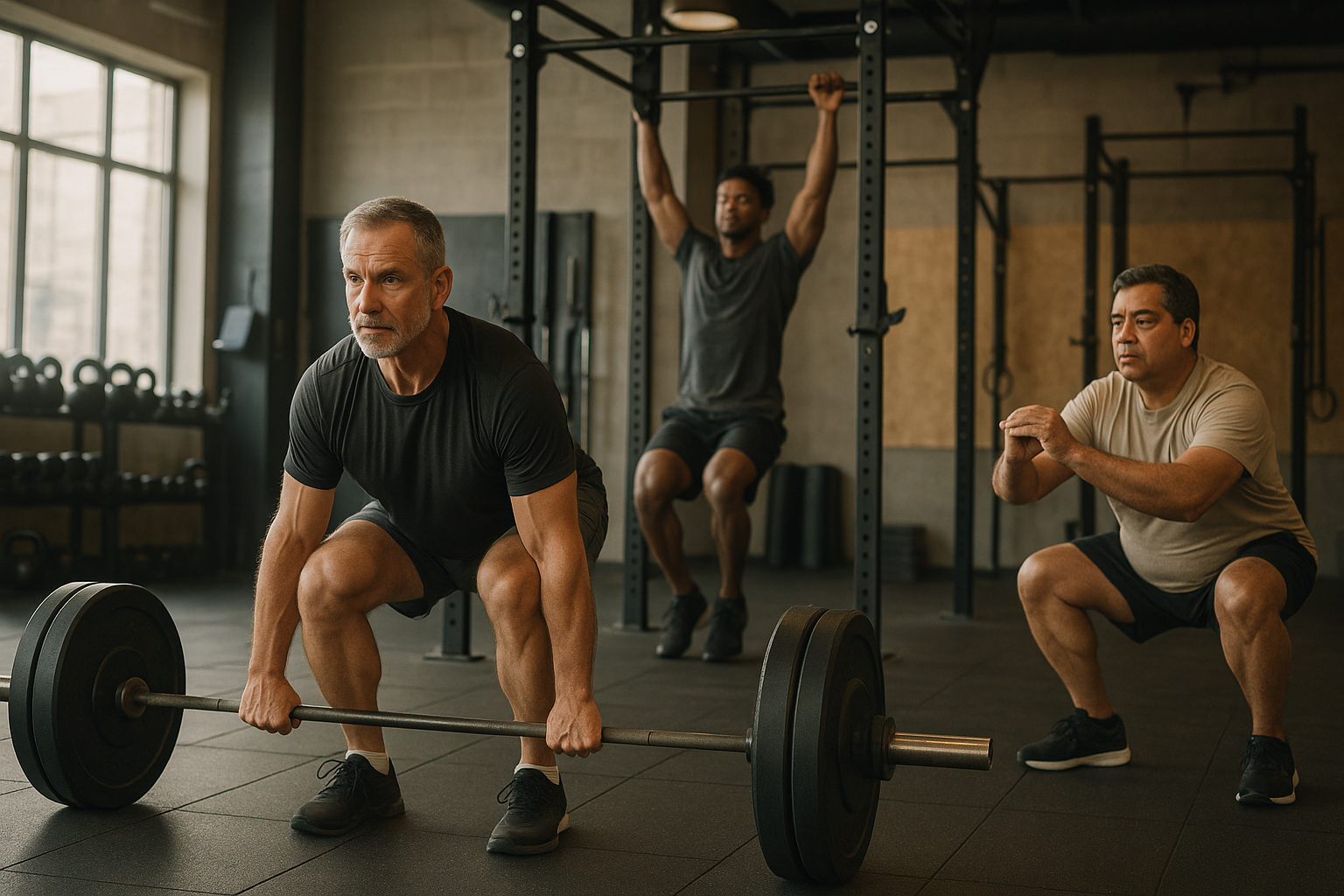
Your training program must prioritize compound movements that work multiple muscle groups simultaneously. These exercises provide the most muscle-building stimulus per unit of time and energy expenditure. Base your routine around squats, deadlifts, bench press, overhead press, and pull-ups.
Training frequency should be higher than typically recommended, with each muscle group trained two to three times per week. Your faster recovery ability and need for frequent growth stimuli make this approach ideal. A full-body routine performed three times weekly or an upper-lower split done four times weekly both work excellently.
Rep ranges should vary throughout your training, but emphasize the six to twelve range for maximum hypertrophy. Include some strength work in the three to five rep range for compound movements and some higher rep work for isolation exercises.
Progressive overload must be relentlessly pursued. Track every workout and constantly strive to improve some aspect of your performance. This might mean adding weight, performing more reps, completing additional sets, or improving your form and range of motion.
Phase 2: Refinement and Strength (Months 7-12)
After building your initial muscle foundation, the second phase focuses on strength development and muscle refinement. You will continue gaining weight but at a slower rate, around 0.25 to 0.5 pounds per week. This phase emphasizes quality over quantity in your muscle gains.
Training intensity increases significantly during this phase. You will work with heavier weights in lower rep ranges more frequently, building the strength that makes your physique not just look impressive but perform impressively as well.
Nutrition becomes more precise during this phase. While you are still eating in a surplus, the margin for error becomes smaller. Food quality matters more, and you will need to be more strategic about nutrient timing and composition.
Your physique will start showing impressive changes. Muscle definition becomes more apparent, your shoulders broaden significantly, and your overall presence becomes more commanding. This is often when friends and family start commenting on your transformation.
Advanced Training Techniques
Periodization becomes crucial as you advance beyond the beginner stage. Linear progression, simply adding weight each workout, becomes impossible. You will need more sophisticated approaches to continue progressing. Consider alternating between strength phases with lower reps and heavier weights and hypertrophy phases with moderate reps and higher volume.
Intensity techniques can break through plateaus when standard progression stalls. Drop sets, rest-pause sets, and cluster training all provide novel stimuli to shock your muscles into continued growth. However, use these techniques sparingly. They are tools for breaking plateaus, not regular training methods.
Weak point training becomes important as your physique develops. Most skinny guys struggle with chest and shoulder development initially, as these muscles require significant mass to appear impressive. Prioritize lagging body parts by training them first in your workout.
Specialization phases can rapidly improve specific body parts. Consider dedicating four to six weeks to arm specialization or chest development while maintaining other muscle groups.
Phase 3: The Cut – Revealing Your Shredded Physique (Months 13-18)
The cutting phase is where your natural advantages as a formerly skinny guy become apparent. Your fast metabolism and insulin sensitivity make fat loss much easier than for naturally larger individuals. You will reveal the muscle you have built while achieving the lean, defined look that epitomizes shredded.
Create a moderate caloric deficit of 300 to 500 calories below maintenance through a combination of reduced food intake and increased activity. Unlike bulking, where aggressive approaches can work, cutting requires patience and precision to preserve your hard-earned muscle mass.
Protein intake becomes even more critical during cutting, increasing to 1.4 to 1.6 grams per pound of body weight. This higher intake helps preserve muscle mass while in a caloric deficit and provides greater satiety to help manage hunger.
Cardio introduction should be gradual and strategic. Start with two to three sessions of moderate-intensity cardio weekly, gradually increasing as fat loss stalls. High-intensity interval training works particularly well for naturally skinny guys, as it preserves muscle mass better than steady-state cardio.
Training during your cut requires careful balance. Maintain your lifting intensity and volume as much as possible to preserve muscle mass. You might need to reduce training volume slightly due to lower energy levels, but never sacrifice intensity.
Cutting Nutrition Strategies
Flexible dieting approaches work excellently during cutting phases. Track your macronutrients rather than obsessing over specific foods. This approach allows for social flexibility while ensuring you meet your nutritional targets.
Meal timing becomes more important during cutting. Consider larger meals around your workouts to fuel performance, higher protein meals to increase satiety, strategic carb timing to optimize energy, and adequate fat intake to support hormone production.
Refeed days or diet breaks can be valuable tools during extended cutting phases. These higher-calorie days help restore leptin levels, improve metabolic function, and provide psychological relief.
Hydration and micronutrient intake become crucial as food intake decreases. Ensure adequate vitamin and mineral intake through varied food choices or targeted supplementation.
Supplementation for Maximum Results
While whole foods should provide the majority of your nutrition, targeted supplementation can enhance your transformation journey. Focus on supplements with strong scientific backing.
Creatine monohydrate stands as the most researched and effective supplement for strength and muscle building. Take three to five grams daily. This supplement is particularly beneficial for naturally skinny guys who may have lower baseline creatine stores.
Whey protein powder provides convenient, high-quality protein when whole food sources are impractical. It is especially useful around workouts and when traveling. However, do not let protein powder replace whole food sources entirely.
Vitamin D deficiency is common and can significantly impact testosterone levels and muscle building. Most people benefit from 2000 to 4000 IU daily.
Caffeine can enhance training performance and aid in fat loss during cutting phases. Consume 200 to 400 milligrams before workouts, but avoid late-day use that might interfere with sleep.
Mental Game and Lifestyle Factors
Transformation success depends as much on psychology as physiology. Develop a growth mindset that views challenges as opportunities and setbacks as learning experiences. Your skinny starting point actually provides advantages. You have further to go, making your progress more dramatic and rewarding.
Consistency trumps perfection in every aspect of your transformation. Missing occasional workouts or meals will not derail your progress, but consistently missing them will. Aim for eighty percent adherence rather than one hundred percent perfection.
Sleep quality directly impacts every aspect of your transformation. Poor sleep impairs muscle protein synthesis, increases cortisol levels, and reduces testosterone production. Prioritize seven to nine hours of quality sleep nightly.
Stress management becomes increasingly important as your transformation progresses. Chronic stress elevates cortisol levels, which can impair muscle growth and increase fat storage. Incorporate stress-reduction techniques like meditation, deep breathing, or enjoyable hobbies.
Tracking Progress and Staying Motivated
Progress photos provide the most accurate representation of your transformation. Take weekly photos in consistent lighting, poses, and clothing. The mirror lies, and daily fluctuations can be discouraging, but photos provide objective evidence of your progress.
Body measurements offer another valuable tracking method. Measure your chest, arms, waist, and thighs monthly. During bulking phases, you want to see increases in muscle measurements with minimal waist growth.
Performance metrics keep you focused on strength and capability improvements. Track your major lifts, endurance improvements, and energy levels. These metrics often improve even when visual changes seem slow.
Set both process and outcome goals to maintain motivation. Process goals focus on behaviors you control, like hitting the gym four times this week, while outcome goals provide long-term direction, like benching your body weight.
Common Pitfalls and How to Avoid Them
Impatience ruins more transformations than any other factor. Expecting rapid changes and switching approaches when progress seems slow prevents you from fully benefiting from any single strategy. Commit to phases for at least twelve to sixteen weeks before making significant changes.
Under-eating during bulking phases keeps many skinny guys trapped in their current physique. If you are not gaining weight, you are not eating enough, regardless of how full you feel. Track your intake objectively and increase calories when weight gain stalls.
Overtraining becomes tempting when you are motivated and seeing initial progress. More is not always better, and adequate recovery is when actual muscle building occurs. Stick to proven programs rather than adding endless exercises.
Neglecting compound movements in favor of isolation exercises limits your progress potential. While arm curls might seem more directly related to bigger arms, squats and deadlifts will contribute more to your overall muscle mass and strength development.
Your Transformation Timeline
Months one to three focus on habit formation and initial adaptations. You will see rapid strength increases and some muscle growth, mainly from neurological improvements and muscle glycogen storage. Weight gain should be steady.
Months four to six showcase visible muscle development. Friends will start commenting on your improved physique, and you will notice significant changes in photos. Your lifts will increase substantially.
Months seven to twelve reveal dramatic changes. Your silhouette changes noticeably, clothes fit differently, and your presence becomes more commanding. This is when many guys start receiving compliments from strangers.
Months thirteen to eighteen complete your initial transformation if you choose to cut. You will reveal a lean, muscular physique that looks dramatically different from your starting point.
Maintaining Your Shredded Physique
Achieving your shredded physique is only half the battle. Maintaining it requires ongoing commitment and smart strategies. Your naturally fast metabolism actually makes maintenance easier than for most people, as you can eat more calories while staying lean.
Reverse dieting helps transition from cutting back to maintenance calories without excessive fat gain. Gradually increase calories by 100 to 150 weekly until you reach maintenance levels. This approach restores metabolic function while minimizing fat gain.
Flexible maintenance approaches work better than rigid rules. Allow yourself eighty percent adherence to your nutrition plan while maintaining consistent training. This approach is sustainable long-term and prevents the all-or-nothing mentality.
Conclusion
The transformation from skinny to shredded is challenging but entirely achievable. Your naturally lean frame, combined with the right strategies, can become your greatest asset. The same metabolism that made gaining weight difficult will make maintaining a shredded physique easier than for most people.
Remember that this journey takes time. Eighteen months might seem long, but compared to a lifetime of being fit and confident, it is a small investment. The discipline, confidence, and strength you develop along the way will benefit every area of your life.
Your future shredded self is waiting. The work starts now. One meal at a time. One workout at a time. One day at a time. You have everything you need to succeed. Now go build the body you deserve.
The views expressed in this article are those of the author and do not necessarily reflect the views of WriteFlow. WriteFlow does not endorse this content and does not guarantee its accuracy or completeness.


Comments (0)