Saving Our Planet: One Act at a Time

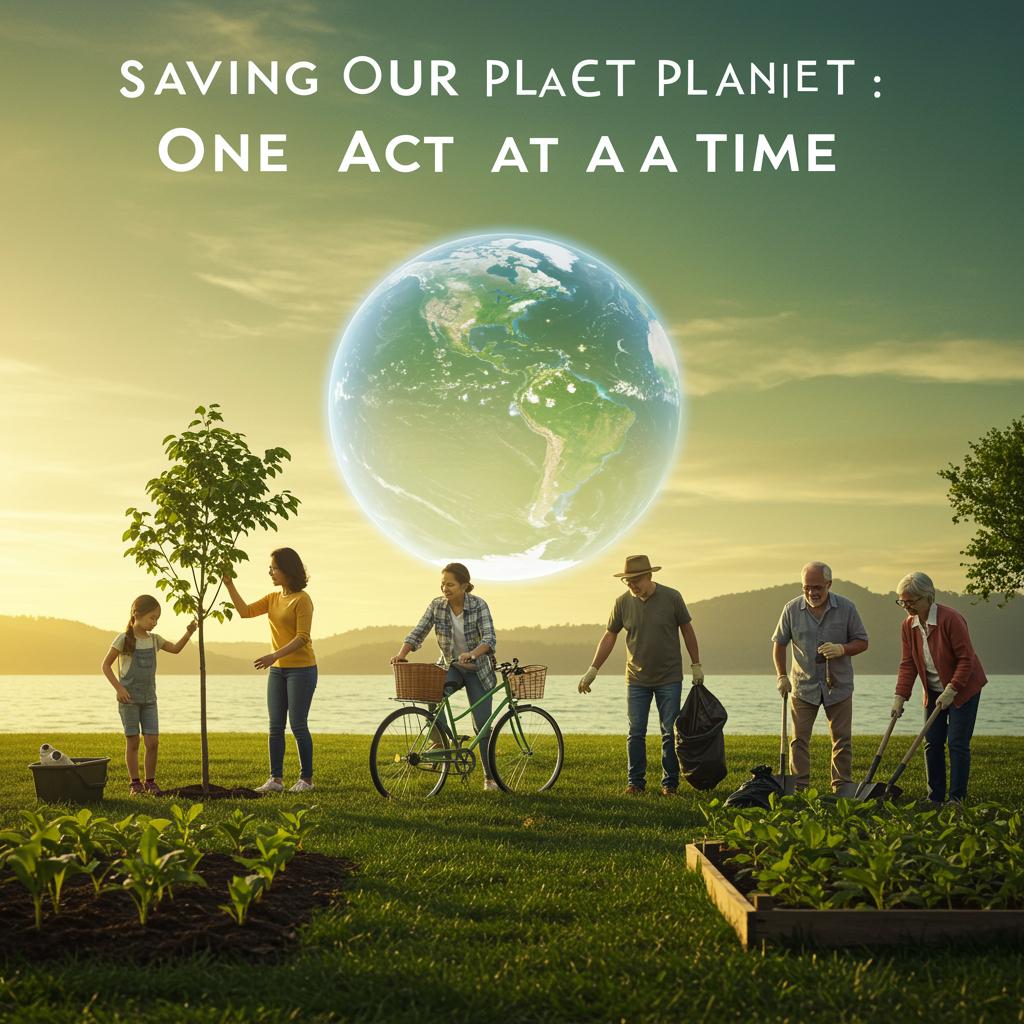
Saving Our Planet: One Act at a Time
The Earth, our only home, is facing an unprecedented environmental crisis. Climate change, biodiversity loss, pollution – these are not distant threats; they are realities impacting our lives today. However, despair is not the answer. While the challenges are significant, the power to effect positive change resides in each of us. This article explores the multifaceted nature of the environmental crisis and provides a comprehensive guide to individual actions that, when combined, can create a powerful wave of positive impact.
Understanding the Urgency: The State of Our Planet
The scientific consensus is clear: human activities are driving rapid environmental degradation. The burning of fossil fuels, deforestation, unsustainable agricultural practices, and excessive consumption are all contributing to a cascade of interconnected problems.
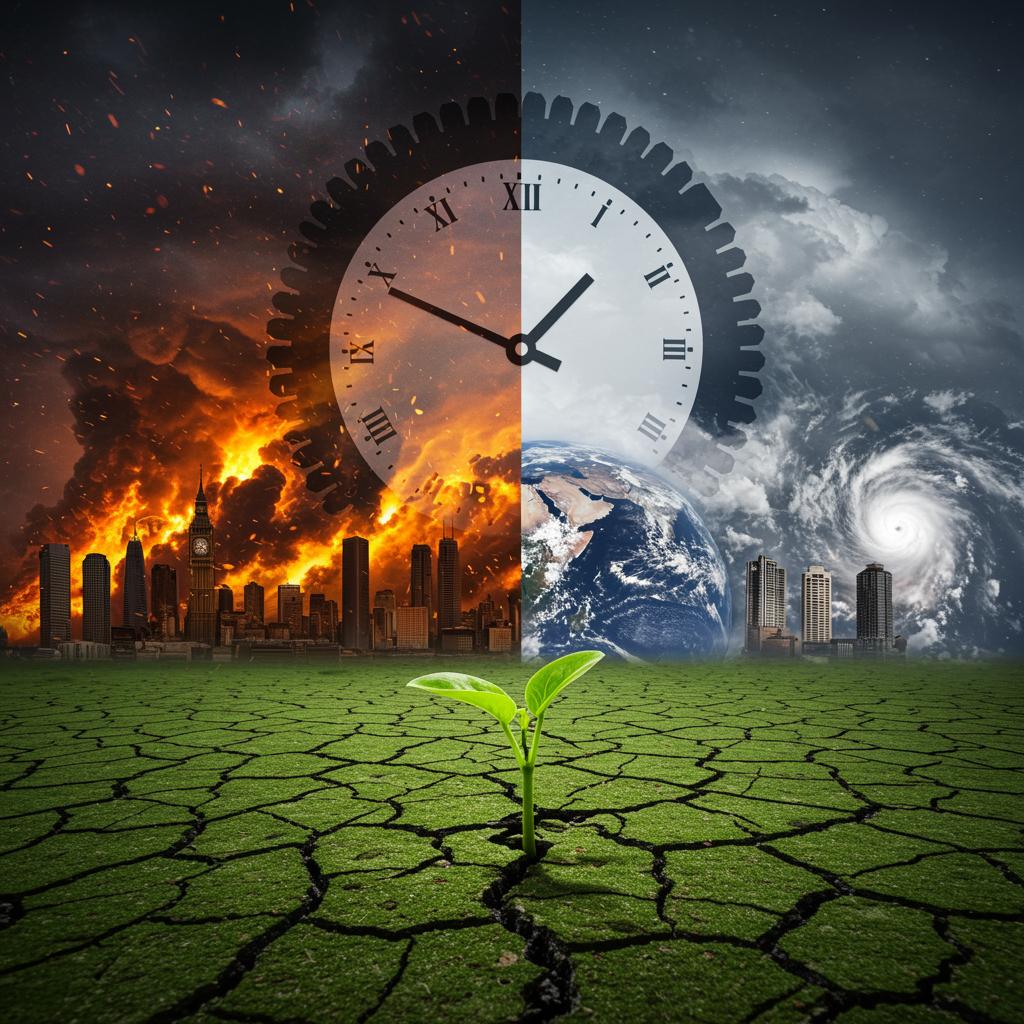
Climate Change: A Defining Crisis
Rising global temperatures: The Earth's average temperature is increasing at an alarming rate, leading to more frequent and intense heatwaves, droughts, and wildfires.
Melting glaciers and ice sheets: This contributes to rising sea levels, threatening coastal communities and ecosystems.
Extreme weather events: Hurricanes, floods, and storms are becoming more powerful and unpredictable.
Ocean acidification: Increased carbon dioxide absorption by the oceans is making them more acidic, harming marine life
Biodiversity Loss: An Ecological Collapse
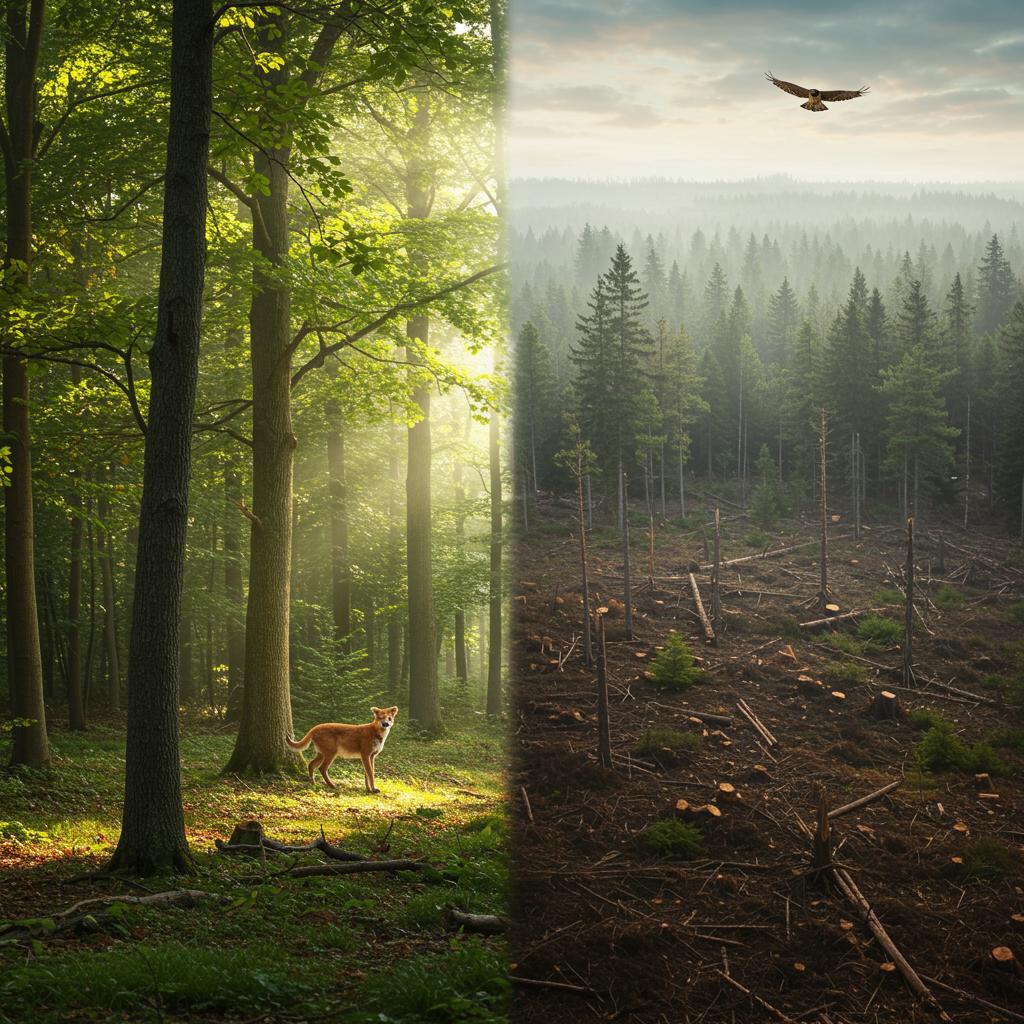
The rate of species extinction is accelerating dramatically, threatening the delicate balance of ecosystems. This loss has far-reaching consequences:
Disruption of ecological services: Pollination, water purification, and climate regulation are all dependent on healthy biodiversity.
Reduced resilience to environmental change: Diverse ecosystems are better equipped to withstand shocks like climate change.
Loss of potential resources: Many undiscovered species may hold valuable medicinal or other properties.
Pollution: A Persistent Threat
Pollution in its various forms – air, water, and land – poses significant risks to human health and the environment:
Air pollution: Contributes to respiratory illnesses and cardiovascular disease.
Water pollution: Contaminates drinking water sources and harms aquatic life.
Plastic pollution: Pervades our oceans and landfills, harming wildlife and ecosystems.
Individual Actions for a Sustainable Future
While systemic change is crucial, individual actions are the building blocks of a sustainable future. Each conscious choice we make contributes to a larger collective effort.
Reducing Your Carbon Footprint: The Foundation of Change
Transition to renewable energy: Support the growth of renewable energy sources like solar and wind power by choosing green energy providers and investing in renewable energy technologies for your home.
Improve energy efficiency: Reduce energy consumption by using energy-efficient appliances, improving insulation, and adopting energy-saving habits. Turn off lights when leaving a room, unplug electronics when not in use, and use public transport whenever possible.
Reduce, reuse, recycle: This classic mantra remains incredibly important. Reduce consumption by buying only what you need, opting for durable goods, and avoiding single-use plastics. Reuse items whenever possible, and diligently recycle materials according to local guidelines.
Sustainable transportation: Opt for walking, cycling, or public transport whenever feasible. If you need a car, consider purchasing an electric or hybrid vehicle.
Plant trees: Trees absorb carbon dioxide from the atmosphere. Plant trees on your property or support reforestation initiatives.
Conserving Water: A Precious Resource
Fix leaks promptly: Small leaks can waste significant amounts of water over time.
Take shorter showers: Reduce shower time to conserve water.
Water your lawn efficiently: Water deeply and less frequently to encourage deep root growth.
Use water-efficient appliances: Choose washing machines and dishwashers with high energy-efficiency ratings.
Collect rainwater: Collect rainwater for gardening and other non-potable uses.
Minimizing Waste: A Holistic Approach
Reduce food waste: Plan your meals carefully, store food properly, and compost food scraps.
Avoid single-use plastics: Bring your own reusable bags, water bottles, and coffee cups.
Buy in bulk: Reduces packaging waste.
Choose sustainable products: Support companies committed to sustainable practices.
Properly dispose of hazardous waste: Dispose of batteries, electronics, and other hazardous waste responsibly.
Supporting Sustainable Businesses and Policies
Choose sustainable businesses: Support companies that prioritize environmental sustainability in their operations.
Advocate for change: Contact your elected officials to advocate for stronger environmental policies.
Support environmental organizations: Donate to or volunteer with organizations working to protect the environment.
Educate yourself and others: Learn more about environmental issues and share your knowledge with others.
Protecting Biodiversity: A Shared Responsibility
Support wildlife conservation: Donate to or volunteer with wildlife conservation organizations.
Reduce your impact on wildlife habitats: Avoid disturbing wildlife and their habitats.
Choose sustainable seafood: Select seafood that is sustainably sourced.
Reduce your pesticide use: Opt for natural pest control methods whenever possible.
Plant native plants: Native plants support local wildlife.
Conclusion: A Collective Effort for a Sustainable Future
Saving our planet is not a task for a select few; it is a collective responsibility.
Every individual action, no matter how small, contributes to a larger movement toward sustainability.
By embracing conscious consumption, supporting sustainable businesses, and advocating for change, we can create a healthier and more resilient future for generations to come.
The journey may be long, but the rewards—a thriving planet and a healthier future for all—are immeasurable.
Let us all commit to making a difference, one act at a time. The future of our planet depends on it.
The views expressed in this article are those of the author and do not necessarily reflect the views of WriteFlow. WriteFlow does not endorse this content and does not guarantee its accuracy or completeness.

Comments (0)