The New Face of Western Democracy: Is Populism Here to Stay?

Introduction
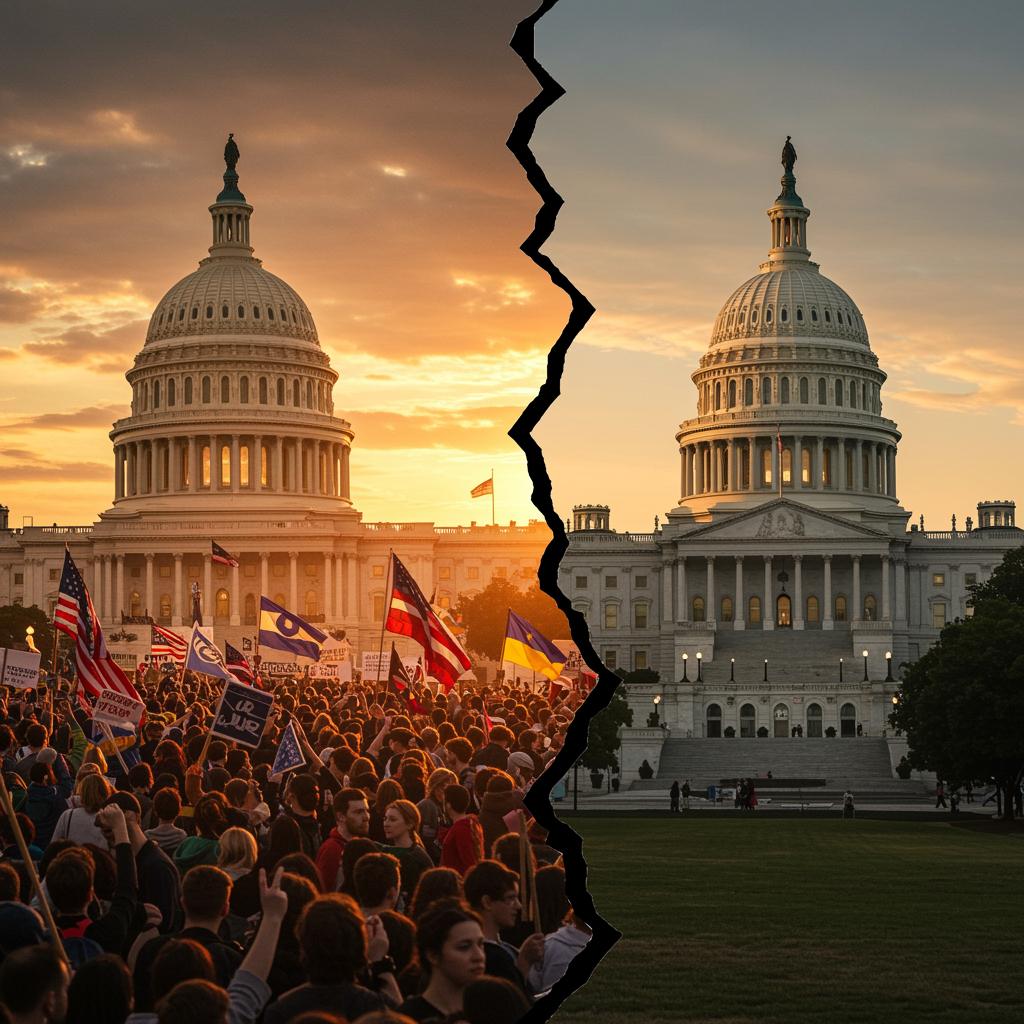
Over the past decade, Western democracies have witnessed a significant transformation in their political landscapes. The rise of populist movements and leaders has challenged traditional political establishments and reshaped public discourse. From Donald Trump in the United States to Brexit in the United Kingdom, and the increasing influence of populist parties across Europe, this political phenomenon has become a defining feature of contemporary democratic systems. This article explores the nature of modern populism, its causes, manifestations, and whether it represents a temporary disruption or a permanent shift in Western democratic politics.
Defining Modern Populism
Populism is not a new phenomenon, but its contemporary manifestation has distinct characteristics. At its core, populism positions the people against the elite, presenting politics as a moral struggle between these two homogenous groups. Modern populists claim to be the authentic voice of the people while portraying established political classes as corrupt and self-serving.
Contemporary populism can be found across the political spectrum. Right-wing populists often combine anti-elitism with nativism and cultural conservatism, while left-wing populists typically emphasize economic inequality and anti-capitalism. Despite these differences, all populist movements share a skepticism toward pluralism and institutional constraints on popular will.
Scholar Cas Mudde defines populism as a thin-centered ideology that can attach itself to various thick ideologies such as nationalism, socialism, or conservatism. This adaptability has allowed populism to flourish in diverse political contexts across Western democracies.
The Rise of Populism: Key Factors
Multiple interrelated factors have contributed to populism's recent ascendance.
Economic insecurity and inequality have played a major role. The 2008 financial crisis created winners and losers in Western societies. Many citizens, particularly those in post-industrial regions, experienced wage stagnation, job insecurity, and diminishing social mobility. Populist movements capitalized on this economic anxiety, blaming globalization, immigration, and the political establishment.
Cultural backlash has also fueled populism. Rapid social and demographic changes, including immigration, increasing ethnic diversity, and evolving social norms around gender and sexuality, have triggered cultural anxiety among segments of Western populations. Populist messages that emphasize traditional values resonate with voters who feel alienated by cosmopolitan liberalism.
Technological disruption has transformed political communication. Social media platforms have created echo chambers while providing populist movements with direct channels to bypass traditional media gatekeepers. The spread of misinformation has further polarized public discourse.
Finally, a crisis of political representation has driven populist appeal. Many citizens perceive mainstream political parties as increasingly similar and unresponsive to their concerns. Populist leaders have successfully positioned themselves as authentic alternatives to a remote and homogeneous political class.
Populism in Action: Regional Manifestations
In the United States, the election of Donald Trump in 2016 marked a watershed moment. Trump's campaign blended economic nationalism, anti-immigration rhetoric, and attacks on the Washington swamp. His unconventional style attracted voters who felt neglected by traditional politicians. Trump's 2024 return to the presidency suggests the enduring appeal of his populist message.
In Europe, populism has manifested in various forms. In Eastern Europe, leaders like Viktor Orbán in Hungary have established illiberal democracies that maintain democratic procedures while undermining independent institutions. Western European countries have seen the rise of populist parties such as France's National Rally, Italy's League, and Germany's Alternative for Deutschland. Brexit, driven partly by anti-EU sentiment, represents another expression of populist politics.
Latin America offers instructive parallels. Leaders from both left, such as Hugo Chávez in Venezuela, and right, such as Jair Bolsonaro in Brazil, have employed populist strategies to mobilize support against established elites.
Democratic Implications: Threat or Correction?
Scholars disagree about whether populism represents a threat to democracy or a necessary corrective to its deficiencies.
From the democratic threat perspective, populism undermines foundational elements of liberal democracy. Populists often attack independent institutions such as courts, media, and electoral systems that provide checks and balances on executive power. By claiming to represent the real people, populists delegitimize opposition and minority views. Populist rhetoric divides societies into antagonistic camps, making compromise and deliberation difficult. When in power, populist leaders may gradually weaken democratic safeguards, leading to democratic backsliding.
From the democratic correction perspective, populism addresses genuine democratic deficits. It highlights the failure of mainstream parties to represent significant segments of society. Populist movements challenge powerful elites and can broaden political participation. By exposing system flaws, populism can ultimately lead to democratic reforms and renewal. Populism can also give political voice to citizens who feel excluded from political processes.
Is Populism Here to Stay?
Several factors suggest populism will remain a significant feature of Western democracies in the foreseeable future.
Persistent structural causes show little sign of abating. Economic inequality, cultural anxiety, technological disruption, and political disillusionment are likely to continue. Until mainstream parties effectively address these challenges, populism will retain its appeal.
Populist parties have transformed from protest movements into established political forces with organizational infrastructure and stable voter bases. This institutionalization enhances their staying power.
Populist rhetoric and policy positions have influenced mainstream political discourse, with traditional parties adopting elements of populist messaging. This normalization makes populism less of an aberration and more a standard feature of democratic politics.
Populist movements have demonstrated remarkable adaptability, evolving their messages and strategies in response to changing circumstances. This flexibility enables populism to persist even as specific issues and leaders come and go.
Beyond Populism: Pathways Forward
For those concerned about populism's democratic implications, several potential responses exist.
Addressing root causes through meaningful efforts to reduce economic inequality, manage technological disruption, and address cultural anxieties could diminish populism's appeal. This requires substantive policy reforms rather than symbolic gestures.
Democratic innovation through experiments with participatory democracy, deliberative forums, and digital engagement could help reconnect citizens with political processes and rebuild trust in democratic institutions.
Inclusive nationalism might allow political leaders to develop narratives of national identity that acknowledge legitimate concerns about cultural change while remaining inclusive and pluralistic.
Institutional resilience through strengthening democratic institutions and norms can help democracies weather populist challenges without experiencing significant backsliding.
Conclusion
Populism has reshaped Western democracies in profound ways, challenging established political paradigms and raising fundamental questions about representation, governance, and identity. While specific populist movements and leaders may rise and fall, the underlying dynamics that fueled populism's recent surge suggest it will remain a significant political force.
Rather than viewing populism as either an existential threat or a democratic savior, a more nuanced perspective recognizes both its legitimate critiques of democratic deficiencies and its potential risks to liberal democratic values. The challenge for Western democracies is not to defeat populism but to engage with its legitimate grievances while preserving the pluralism, institutional checks, and civil liberties that distinguish democratic systems from authoritarian alternatives.
As Western democracies navigate this complex political terrain, their ability to adapt and evolve in response to populist pressures may determine whether populism ultimately strengthens or undermines democratic resilience. The new face of Western democracy may indeed include populist features, but whether these become permanent fixtures depends on how democratic systems and citizens respond to the underlying challenges of our age.
The views expressed in this article are those of the author and do not necessarily reflect the views of WriteFlow. WriteFlow does not endorse this content and does not guarantee its accuracy or completeness.


Comments (0)