Immigration, Identity, and the Future of Nationalism in North America and Europe

Introduction
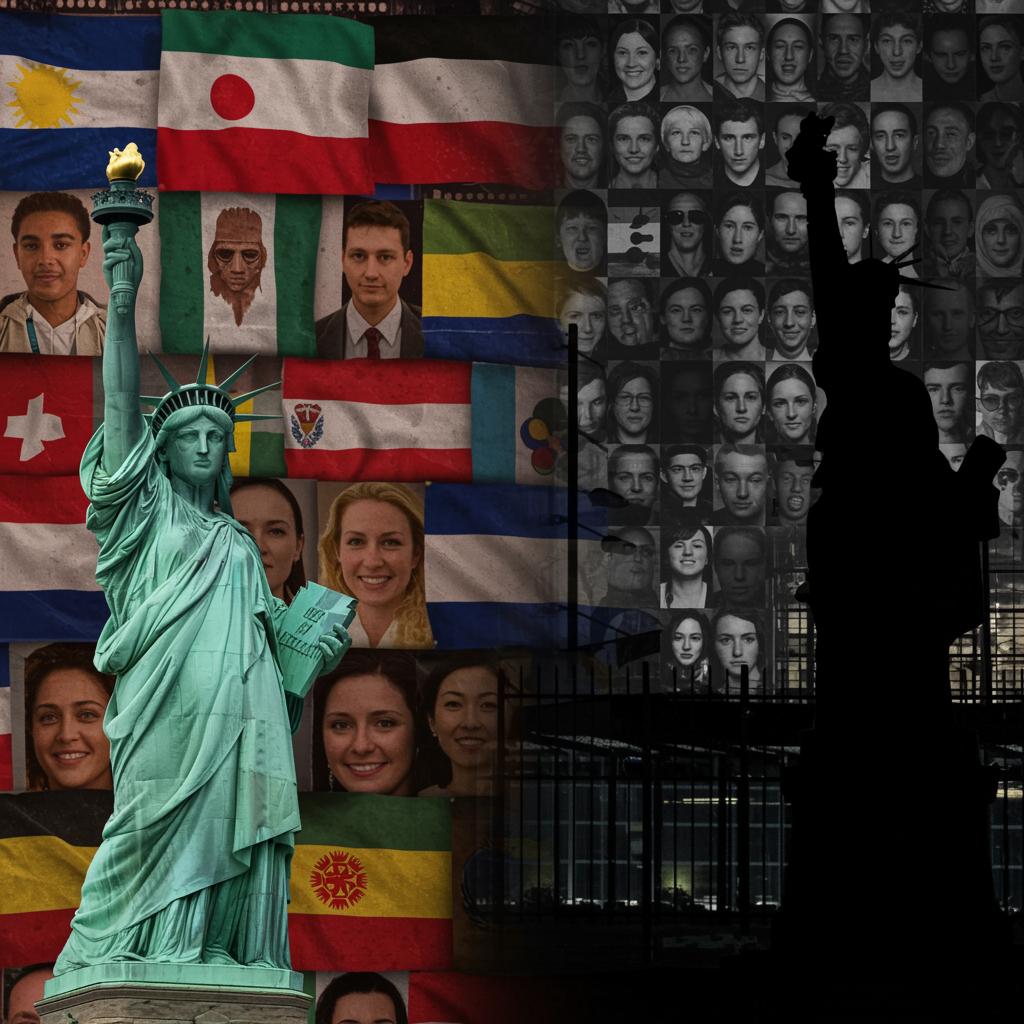
In the summer of 2015, a photograph of three-year-old Alan Kurdi's lifeless body washed up on a Turkish beach shocked the world and crystallized the human cost of the global migration crisis. Within months, that same image became a rallying cry for both compassion and restriction, embodying the fundamental paradox of our time. How can Western democracies maintain their humanitarian values while preserving social cohesion in an age of unprecedented human mobility?
This question has become the defining political challenge of the twenty-first century, fracturing societies from Arizona to Austria, from Quebec to Queensland. We are witnessing nothing less than a complete reimagining of what it means to belong to a nation in an interconnected world where borders seem both more porous and more militarized than ever before.
The Numbers That Tell the Story
The scale of contemporary migration dwarfs anything in human history. Today, over 281 million people live outside their country of birth—a number equivalent to the entire population of Indonesia, the world's fourth-largest nation. If migrants formed their own country, it would rank among the most populous on Earth. Yet these numbers, staggering as they are, only hint at the deeper transformation reshaping Western societies.
In Toronto, more than half the population was born outside Canada. In London, over three hundred languages are spoken in schools. In Los Angeles, the concept of a native cuisine has become meaningless in neighborhoods where Korean tacos, Salvadoran pupusas, and Ethiopian injera coexist on the same street corner. These demographic revolutions have unfolded with breathtaking speed—transforming societies that took centuries to form their national identities in just a few decades.
But for every Toronto celebrating its diversity, there is a town in rural Pennsylvania where the arrival of a dozen Somali refugees has triggered existential anxiety about cultural continuity. For every London borough thriving on its cosmopolitan energy, there is a former mining community in Northern England where immigration has become synonymous with economic decline and cultural displacement. The geography of immigration has created two distinct experiences of modern Western life: the globally connected urban centers and the increasingly isolated peripheries.
When Nations Lose Their Narrative
The rise of migration has coincided with the collapse of traditional stories Western nations told about themselves. For generations, countries like the United States built their identity around the mythology of the melting pot—the idea that immigrants would blend seamlessly into a common American culture. European nations, by contrast, constructed their identities around ethnic and cultural homogeneity, viewing themselves as ancient peoples bound by blood, soil, and shared memory.
Both narratives have crumbled under the weight of contemporary reality. The melting pot metaphor feels quaint in an era when immigrant communities maintain transnational identities through social media, satellite television, and cheap international travel. Meanwhile, European assumptions about cultural homogeneity have been shattered by the presence of thriving Muslim communities in Paris, Sikh temples in London, and Turkish neighborhoods in Berlin that have existed for three generations.
Into this narrative vacuum has stepped a new form of identity politics that transcends traditional left-right boundaries. On one side are those who embrace what might be called post-national cosmopolitanism—the belief that diversity is inherently valuable and that traditional national identities are obsolete in a globalized world. On the other are those advocating cultural nationalism—the conviction that national identities rooted in shared history, language, and values are essential for social cohesion and democratic governance.
The collision between these worldviews has produced some of the most dramatic political upheavals in recent memory. Brexit was fundamentally a referendum on whether Britain should remain part of a post-national European project or reassert its sovereignty as a distinct nation. Donald Trump's appeal rested largely on his promise to restore an America where national identity trumped global citizenship. Similar dynamics have elevated nationalist parties across Europe, from the Sweden Democrats to Alternative for Germany to France's National Rally.
The Integration Illusion
Perhaps nowhere is the challenge of contemporary migration more apparent than in the failure of integration models that once seemed promising. The Netherlands, long celebrated for its tolerant multiculturalism, has witnessed the rise of explicitly anti-immigration parties that now command significant political influence. Sweden, which welcomed more refugees per capita than any other European nation, has seen immigrant-heavy suburbs become no-go zones plagued by gang violence and social exclusion. Even Canada, often cited as an immigration success story, has experienced growing tensions over temporary foreign workers and asylum seekers.
The problem is not simply that integration takes time. It is that the very concept of integration has become contested. Traditional models assumed immigrants would gradually adopt the language, values, and customs of their new country while perhaps maintaining some cultural practices in their private lives. But in an era of transnational communication and identity, many immigrants maintain strong connections to their countries of origin, creating what scholars call long-distance nationalism that can complicate loyalty to the receiving society.
Meanwhile, receiving societies themselves have become less confident about what exactly immigrants should integrate into. What does it mean to become American or French or German when these identities are themselves subjects of fierce political debate? How can societies demand cultural assimilation when their own cultures are rapidly evolving under the influence of globalization, technology, and generational change?
The second generation presents particularly complex challenges. Children of immigrants often find themselves caught between worlds—too foreign for some natives, too assimilated for some co-ethnics. Research shows that second-generation immigrants can actually experience more discrimination and alienation than their parents, particularly when economic opportunities fail to match their educational achievements and cultural integration. The radicalization of some second-generation Muslims in Europe, for instance, often stems not from foreign influence but from the frustrated expectations of young people who consider themselves European but feel rejected by European society.
The Populist Response
Into this atmosphere of uncertainty and anxiety has stepped a new generation of populist leaders who offer simple explanations for complex problems. Their message resonates because it addresses real concerns about rapid social change, economic displacement, and cultural discontinuity that mainstream politicians have often dismissed or ignored.
Viktor Orbán in Hungary has perfected the art of anti-immigration politics, transforming a relatively homogeneous society with minimal immigration into a laboratory for illiberal democracy justified by the threat of foreign cultural invasion. His success has inspired imitators across Europe who have learned that immigration can be a powerful political weapon even in places where immigrants are relatively few in number.
The genius of contemporary populist politics lies in its ability to transform immigration from a policy issue into a symbol of broader anxieties about globalization, technological change, and social transformation. When Donald Trump promised to build a wall on the Mexican border, he was not just talking about immigration control. He was offering a metaphor for the possibility of controlling rapid change in general. When European politicians speak of defending Christian values against Muslim immigration, they are often addressing the concerns of increasingly secular populations who feel disconnected from traditional sources of meaning and community.
This symbolic power helps explain why immigration politics often seems disconnected from actual immigration levels. Some of the strongest anti-immigration sentiment can be found in regions that have experienced little immigration, while areas with large immigrant populations sometimes vote for pro-immigration parties. The key variable is not exposure to immigrants but exposure to change—and the sense that traditional ways of life are under threat.
The Technology Factor
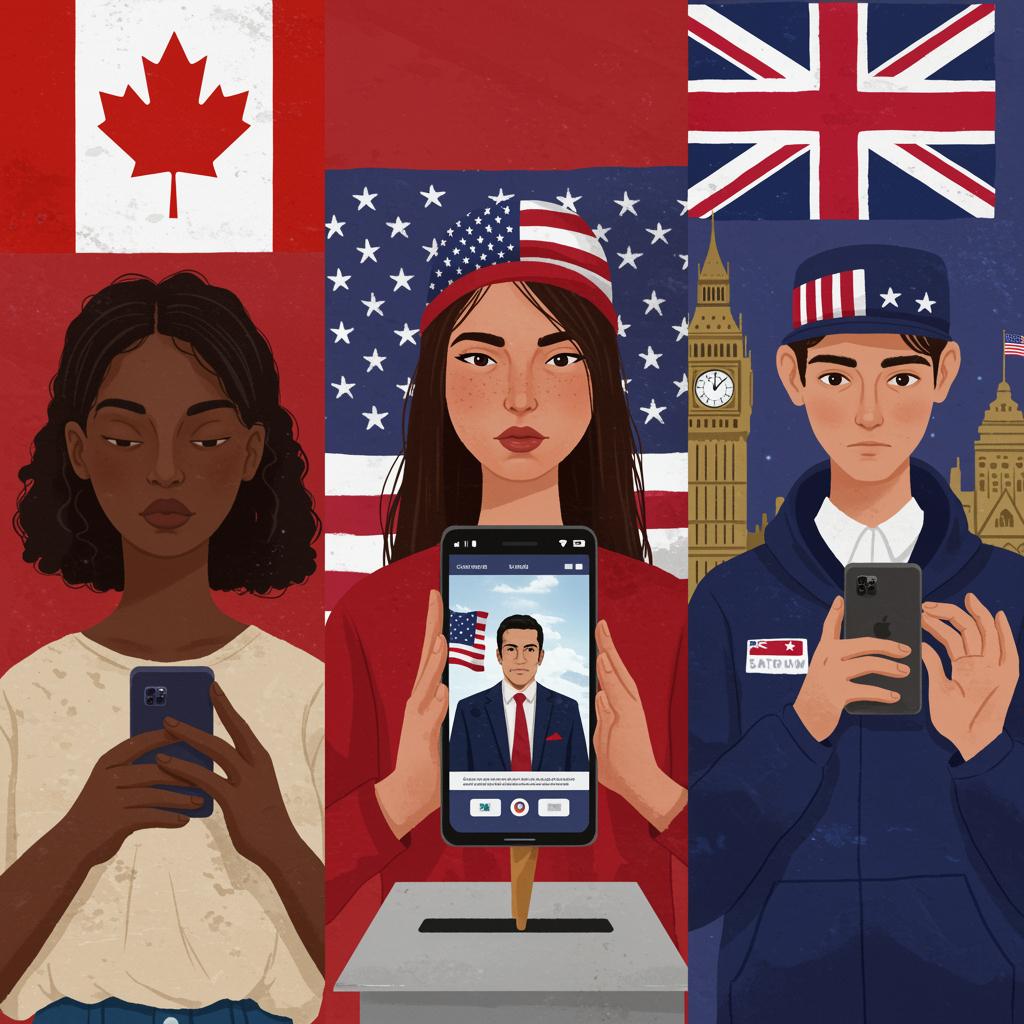
What makes contemporary migration different from previous waves is the role of technology in maintaining transnational connections. Earlier generations of immigrants were effectively cut off from their homelands by distance, cost, and communication barriers. Today's immigrants can maintain daily contact with family members thousands of miles away, consume media from their countries of origin, and participate in the political life of both their old and new homes.
This technological revolution has profound implications for integration. On one hand, it can ease the psychological trauma of migration by maintaining family connections and cultural continuity. Immigrants who can video chat with relatives or watch news from home may experience less isolation and depression. On the other hand, constant connection to the homeland can inhibit the kind of psychological investment in the new society that promotes deep integration.
Social media platforms have also become battlegrounds for immigration politics. Algorithms that prioritize emotionally engaging content tend to amplify the most extreme voices on both sides of the immigration debate. Videos of migrants crossing borders illegally or of integration success stories both go viral, but nuanced discussions of immigration policy rarely generate the same engagement. This has contributed to a polarization of public opinion that makes reasonable compromise increasingly difficult.
The rise of artificial intelligence and automation adds another layer of complexity. As machines replace human workers in many sectors, the economic logic for large-scale labor migration becomes less compelling. At the same time, aging populations in Western countries create growing demand for care workers and other service providers that are difficult to automate. The result is a more selective approach to immigration that favors high-skilled workers and care providers while restricting opportunities for the low-skilled workers who made up the majority of previous migration waves.
The Generational Divide
Perhaps no factor is more crucial to understanding contemporary immigration politics than the generational divide in attitudes toward diversity and change. Younger generations, particularly those born after 1980, have grown up in multicultural environments where diversity is normalized. For them, the presence of immigrants and ethnic minorities is simply part of the background of modern life.
Older generations, by contrast, experienced their formative years in more homogeneous societies where national identity was less contested. They often view rapid demographic change as a fundamental alteration of the societies they knew, creating anxiety about cultural continuity and social cohesion that younger people may not share or understand.
This generational divide has profound political implications. In many Western countries, opposition to immigration correlates strongly with age, with older voters much more likely to support restrictionist parties and policies. As younger, more diversity-friendly cohorts replace older ones, the political landscape may shift dramatically. But this demographic transition is unfolding slowly and unevenly across different regions and countries.
The challenge for democratic societies is managing this transition while maintaining social cohesion across generational lines. Older voters who feel their concerns about immigration are dismissed as bigotry may become increasingly alienated from democratic institutions. Younger voters who see immigration restrictions as fundamentally unjust may lose faith in systems that seem unresponsive to their values. The polarization of immigration attitudes across generational lines threatens to undermine the intergenerational solidarity that democratic societies require.
The Climate Migration Tsunami
While political attention focuses on current migration flows, climate change threatens to dwarf all previous displacement crises. The Internal Displacement Monitoring Centre estimates that weather-related disasters already displace over twenty million people annually. As sea levels rise, droughts intensify, and extreme weather events become more frequent, hundreds of millions of people may be forced to leave their homes in the coming decades.
Unlike political refugees who may eventually return home, climate migrants often face permanent displacement. Small island nations like Tuvalu and Kiribati may become entirely uninhabitable, creating the world's first disappearing states and their populations the first climate refugees with nowhere to return to. Major river deltas in Bangladesh, Egypt, and Vietnam face inundation that could displace tens of millions of people. Desertification across the Sahel has already contributed to conflict and displacement that has sent migrants toward Europe.
Western countries have so far failed to develop adequate legal and policy frameworks for climate migration. The 1951 Refugee Convention does not recognize climate displacement as grounds for protection, leaving climate migrants in legal limbo. Attempts to expand refugee definitions to include climate displacement have faced resistance from countries worried about opening floodgates to massive new migration flows.
The failure to address climate migration proactively risks creating the kinds of crisis conditions that fuel nationalist backlash. Images of climate migrants arriving en masse at borders could provide powerful ammunition for anti-immigration movements, while the failure to provide adequate protection could undermine international humanitarian law more broadly. Developing sustainable approaches to climate migration may be one of the most important challenges facing the international community in the coming decades.
Beyond Integration: Toward Adaptive Pluralism
Traditional integration models that assume immigrants will gradually assimilate into fixed national cultures may be inadequate for addressing contemporary migration realities. Instead, Western societies may need to develop new approaches that recognize both the legitimacy of immigrants' desires to maintain cultural connections and receiving societies' needs for social cohesion.
Some scholars propose adaptive pluralism as an alternative to both assimilationist and multiculturalist approaches. This framework would establish clear civic requirements—democratic values, legal compliance, language competency for public participation—while allowing maximum flexibility in cultural and religious practices that do not conflict with these core requirements. The goal would be creating unity in diversity rather than demanding cultural homogenization or accepting cultural fragmentation.
Adaptive pluralism would require immigrants to demonstrate commitment to democratic institutions and civic participation while allowing them to maintain cultural practices and transnational connections. It would require receiving societies to articulate clearly what they expect from immigrants while remaining open to cultural change and evolution. Most importantly, it would require ongoing negotiation and dialogue rather than assuming that integration is a one-way process of immigrant adaptation.
Such an approach might help address one of the fundamental tensions in contemporary immigration politics: the simultaneous demand for immigrant integration and resistance to the cultural changes that successful integration inevitably brings. If immigrants truly integrate into Western societies, those societies will themselves be changed by the process. Adaptive pluralism acknowledges this reality while providing frameworks for managing change in ways that maintain social cohesion.
The Democratic Dilemma
Immigration poses fundamental challenges to democratic governance that go beyond questions of economics or culture. Democracy depends on the existence of a demos—a people who see themselves as sharing common interests and destiny. When immigration changes the composition of the demos rapidly, it can undermine the solidarity and trust that democratic institutions require.
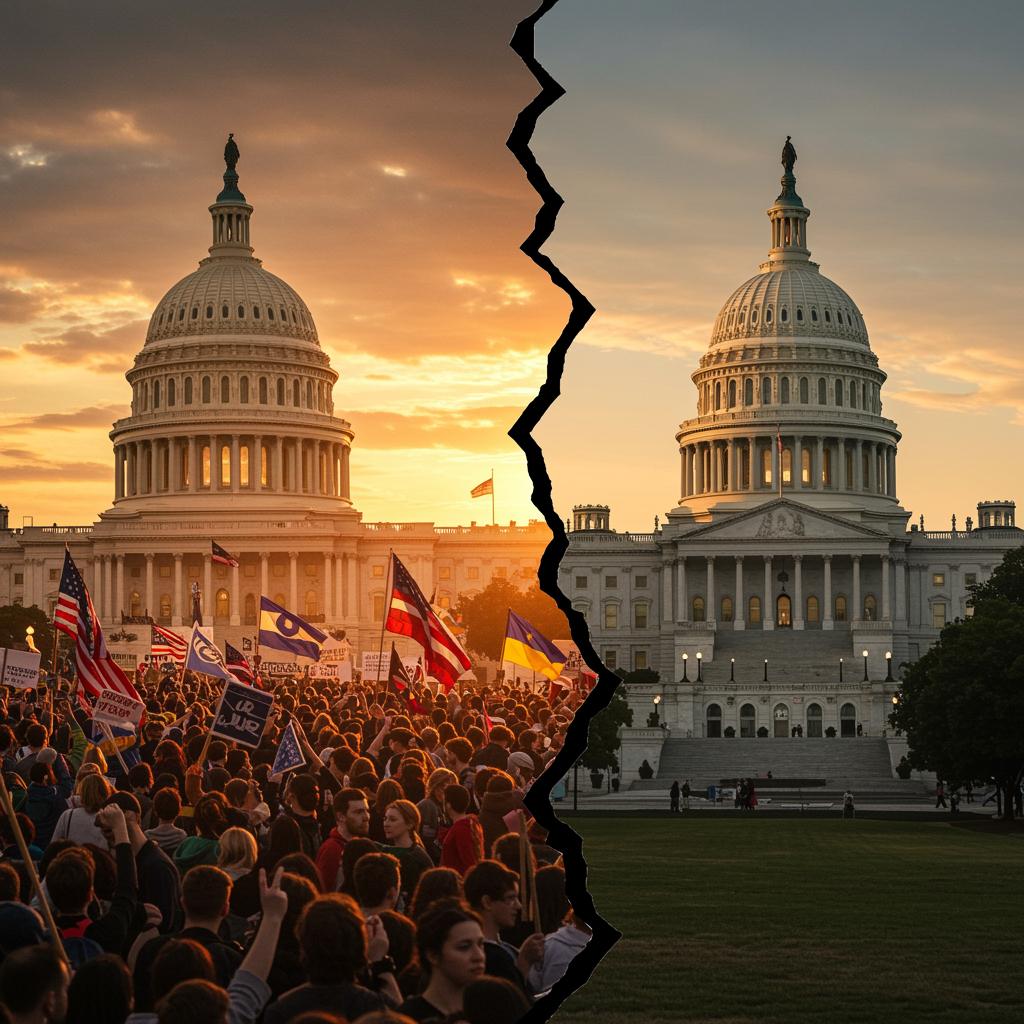
This challenge is particularly acute when immigration policy becomes a tool of partisan politics rather than a subject of democratic deliberation. In many Western countries, immigration has become so polarized that meaningful public discussion has become virtually impossible. Pro-immigration voices are dismissed as naive cosmopolitans out of touch with ordinary citizens' concerns. Anti-immigration voices are condemned as xenophobes motivated by racism and fear. The result is a political discourse that generates more heat than light and makes compromise increasingly difficult.
Democratic societies need institutions and practices that allow for serious discussion of immigration trade-offs without demonizing either immigrants or those concerned about immigration's effects. This requires acknowledging that both mass immigration and mass immigration restriction carry significant costs and benefits that are distributed unevenly across society. It requires recognizing that concerns about rapid demographic change are not automatically racist, while also acknowledging that immigration can strengthen rather than weaken receiving societies.
Most importantly, it requires developing democratic processes that can address immigration's long-term consequences rather than just its immediate effects. Immigration policy decisions made today will shape societies for generations, but democratic institutions often struggle with long-term thinking. The challenge is creating governance structures that can balance immediate political pressures with long-term social needs.
The Path Forward
The future of Western democracies may depend on their ability to develop new approaches to immigration that neither ignore legitimate concerns about rapid change nor abandon commitments to humanitarian values and economic dynamism. This will require moving beyond the polarized debates that have dominated recent politics toward more nuanced discussions of how societies can manage diversity while maintaining cohesion.
Success will likely require policy innovations that address immigration's multiple dimensions simultaneously. Economic policies that ensure immigration benefits are broadly shared rather than concentrated among elites. Cultural policies that promote integration while respecting diversity. Political reforms that give citizens more voice in immigration decisions while protecting minority rights. International cooperation that addresses migration's root causes rather than just managing its symptoms.
Most importantly, it will require recognizing that immigration is not a problem to be solved but a permanent feature of an interconnected world that must be managed wisely. The question is not whether Western societies will continue to receive migrants—they will. The question is whether they can do so in ways that strengthen rather than fragment their democratic institutions and social fabric.
The stakes could not be higher. How Western democracies handle the challenge of immigration in the coming decades may determine whether they emerge as more resilient, inclusive, and dynamic societies or fragment into competing ethnic and cultural tribes. The choice between these futures remains open, but it will require wisdom, courage, and commitment to both humanitarian values and democratic governance.
The great migration paradox of our time is that the very mobility which connects us globally threatens to divide us locally. Resolving this paradox may be the defining challenge of the twenty-first century, with implications that extend far beyond immigration policy to the future of democratic civilization itself.
The views expressed in this article are those of the author and do not necessarily reflect the views of WriteFlow. WriteFlow does not endorse this content and does not guarantee its accuracy or completeness.

Comments (0)