Border-Crossing Design: How Cultural Fusion Creates Revolutionary Spaces

Introduction
In the evolving landscape of modern design, the most compelling spaces often emerge from the intersection of diverse cultural influences. These boundary-defying environments transcend traditional categorization, creating revolutionary experiences that resonate on multiple levels. From architectural landmarks that blend Eastern and Western traditions to interior spaces that weave together global aesthetics, cultural fusion is transforming how we think about the spaces we inhabit.
The Power of Cultural Convergence
When designers embrace influences from multiple traditions, they create spaces that tell rich, layered stories. This fusion approach moves beyond mere aesthetic appeal, generating environments that foster connection, challenge perspectives, and honor diverse heritages simultaneously.
The most successful cross-cultural designs do not simply appropriate elements from different traditions. They engage in meaningful dialogue between them, creating something genuinely innovative while respecting their origins. This respectful integration transforms design from a purely visual exercise into a profound cultural conversation.
Global Examples of Boundary-Breaking Design
Louvre Abu Dhabi: East Meets West in Architectural Symphony
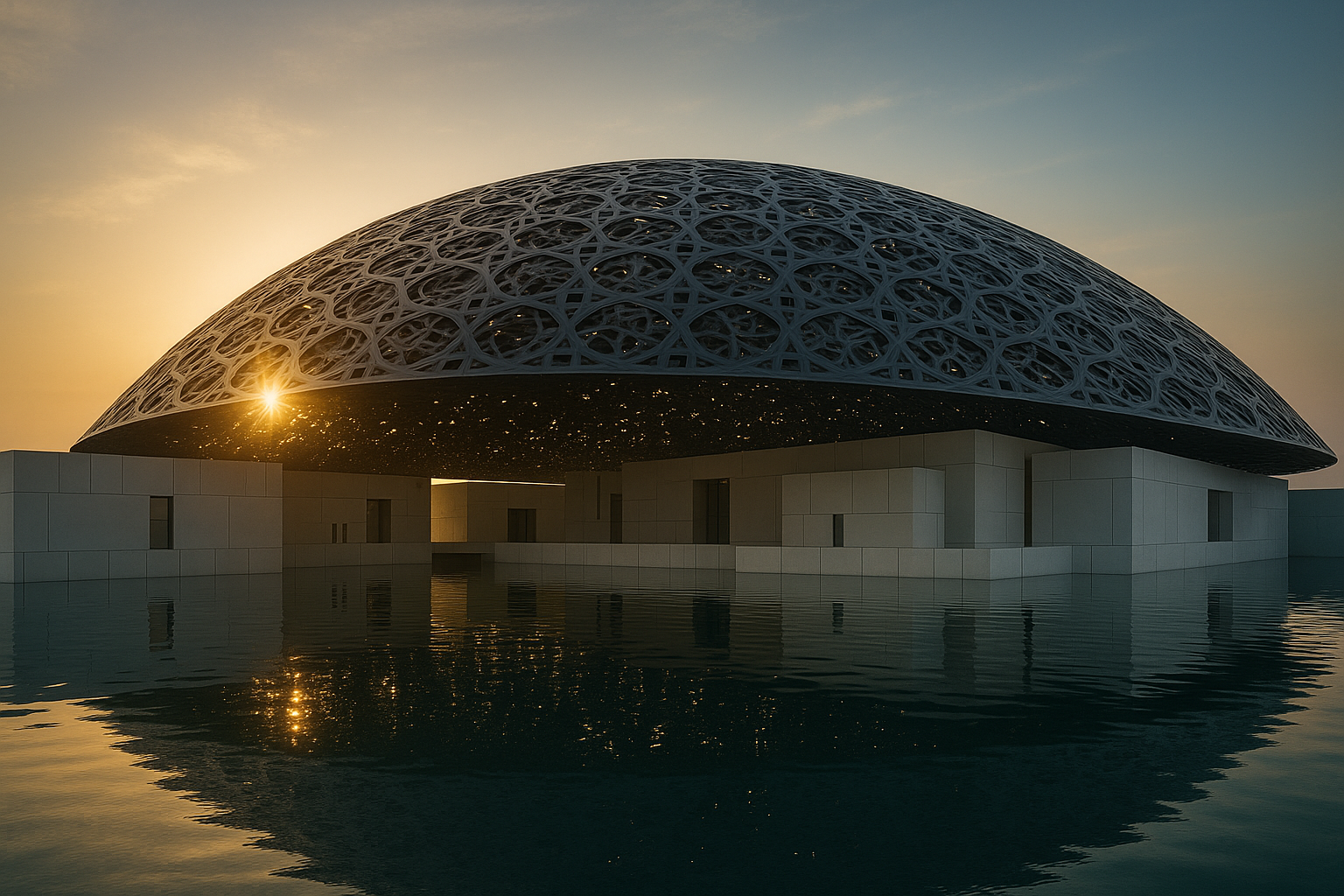
Jean Nouvel's masterpiece embodies cultural fusion at an architectural scale. The museum's iconic dome creates a rain of light inspired by overlapping palm leaves from traditional Arabic architecture, while housing collections that span global artistic traditions. The building itself serves as a physical metaphor for cultural exchange, demonstrating how contemporary design can honor heritage while pushing toward the future.
Sketch London: Victorian Heritage Meets Contemporary Art
The iconic pink Gallery at Sketch restaurant transforms a traditional British space with artist David Shrigley's irreverent artwork and India Mahdavi's plush pink furnishings. This playful collision of Victorian architectural elements with contemporary art and design creates an environment that feels both rooted in history and boldly modern. The space does not erase its heritage but rather builds upon it in unexpected ways.
El Cosmico, Marfa, Texas: Nomadic Traditions in the American Desert
This unique hospitality concept blends influences from Mongolian yurts, Native American tepees, and Airstream trailers within the stark Texan landscape. The resulting space offers a nomadic luxury experience that merges global traditions of mobile living within America's southwestern cultural context. What emerges is something entirely original—a design that honors multiple nomadic traditions while feeling perfectly at home in the high desert of west Texas.
The Principles of Border-Crossing Design
Successful cultural fusion in design typically follows several guiding principles.
Respectful research is essential. Designers must develop deep understanding of the cultural contexts they are incorporating, recognizing that authentic fusion requires genuine knowledge rather than surface-level borrowing.
Meaningful integration matters more than superficial sampling. The most successful designs thoughtfully blend influences rather than simply juxtaposing them, creating spaces where multiple traditions enrich rather than compete with one another.
Contemporary relevance ensures that traditional elements speak to current needs. Fusion design is not about historical recreation but about making ancient wisdom and traditional aesthetics relevant to modern life.
Spatial storytelling creates environments that communicate cross-cultural narratives. Every material, form, and detail contributes to a larger story about connection, exchange, and shared human experience.
Material authenticity involves using materials in ways that honor their cultural origins. The most powerful fusion designs respect the traditional uses and meanings of materials while finding new applications for them.
The Future of Design Is Borderless
As our world becomes increasingly interconnected, the future of revolutionary design lies in transcending rigid cultural boundaries. The most innovative spaces will continue to draw inspiration from global sources while remaining grounded in local contexts.
This approach to design does not erase cultural differences. It celebrates them, creating rich tapestries of influence that reflect our complex, multicultural reality. The revolutionary spaces of tomorrow will be those that help us see beyond borders, finding common ground through thoughtful design that speaks multiple cultural languages fluently.
In a world that often emphasizes division, fusion design offers a different vision. It suggests that our differences need not separate us but can instead inspire creative exchange. The spaces we build can model the kind of cross-cultural understanding and collaboration that the world so urgently needs.
The views expressed in this article are those of the author and do not necessarily reflect the views of WriteFlow. WriteFlow does not endorse this content and does not guarantee its accuracy or completeness.

Comments (0)