Design Dialects: How State Identity Shapes Creative Expression

Introduction
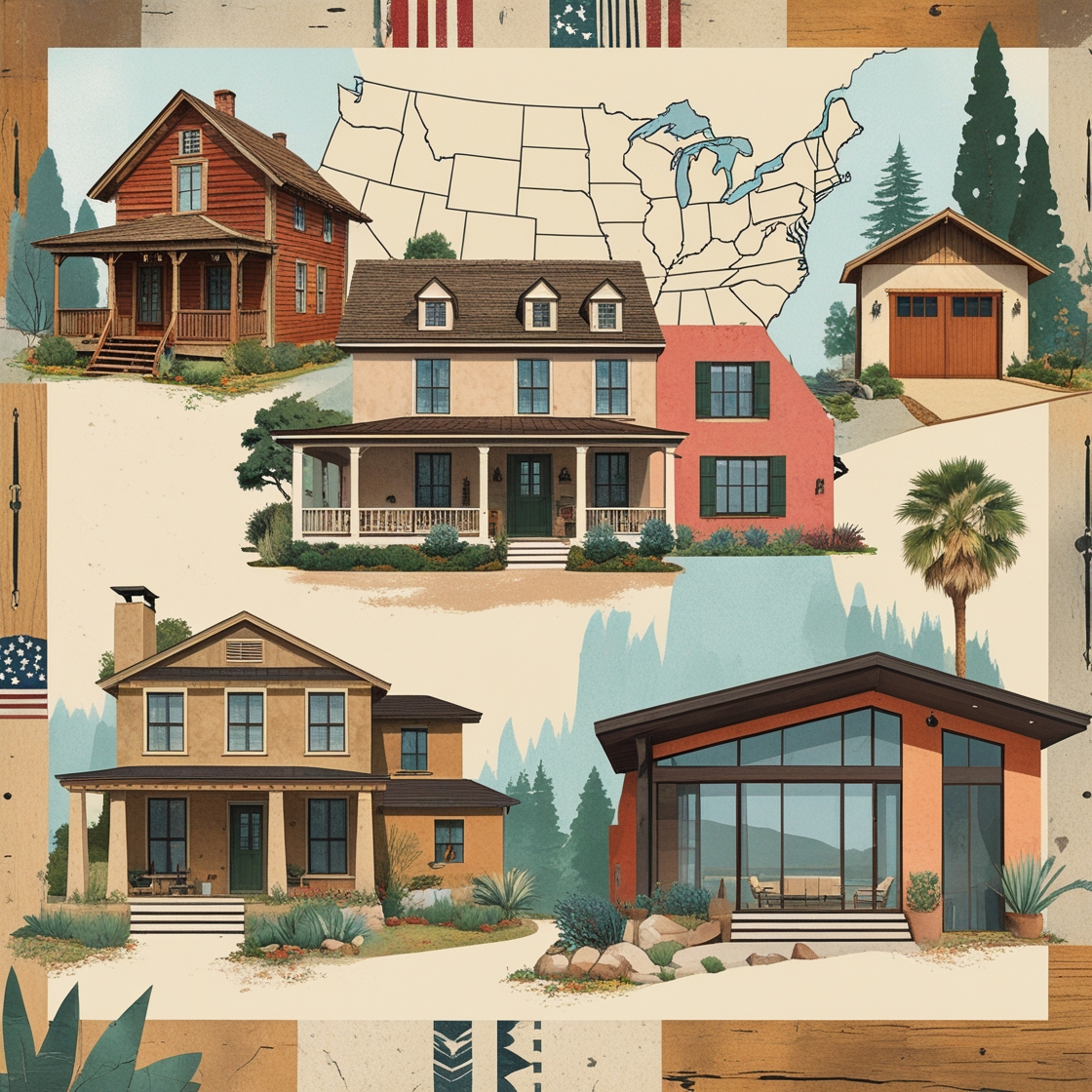
Regional identity has always been a powerful force in creative expression, with each state in America developing its own distinct design language that reflects its history, geography, and cultural values. From the rustic charm of Vermont to the sleek modernism of California, these design dialects tell the story of place and people in fascinating ways.
The Roots of Regional Design
Every state's creative expression is shaped by a combination of factors: natural resources, immigration patterns, economic development, and cultural heritage. These elements create distinctive design vocabularies that feel authentic to their place of origin.
Design is always a response to environment, explains interior designer Maria Hernandez. The materials available, the climate challenges, and the cultural influences all come together to create something unique to that location.
In New England, for instance, Colonial and Federal architecture reflects the region's early American history, while the abundance of hardwoods led to distinctive furniture traditions like Windsor chairs and Shaker design. The pragmatic nature of early settlers remains evident in the clean lines and functional approach that characterizes the region's aesthetic.
Southern States: Heritage and Hospitality
The American South has developed design languages that embrace tradition, hospitality, and a certain relaxed elegance. Charleston's distinctive architectural style, with its piazzas and pastel colors, tells the story of a port city influenced by Caribbean and European traditions.
Further west, Texas design blends Spanish Colonial influences with frontier pragmatism and the state's oil wealth, creating spaces that are both grand and welcoming. The ranch aesthetic, with its leather, cowhide, and weathered wood, speaks to the state's cattle heritage while still feeling distinctly contemporary in modern interpretations.
The Pacific Northwest: Nature as Muse
In Oregon and Washington, design reflects the dramatic natural environment. The abundance of Douglas fir and cedar created a distinctive wood-centric architecture exemplified by craftsmen who elevated Pacific Northwest woods to an art form.
There is a reverence for natural materials in this region, notes architect Thomas Wilson. Buildings are designed to frame views of mountains or water, and there is an emphasis on bringing the outside in. The color palette often mirrors the misty grays and greens of the landscape.
Desert States: Light and Space
Arizona and New Mexico have developed design languages that respond to extreme climate conditions while honoring indigenous traditions. Adobe construction, with its thick walls and small windows, creates naturally cool interiors. The influence of Native American and Spanish Colonial aesthetics is evident in geometric patterns, vibrant colors, and handcrafted elements.
The Great Lakes: Industrial Heritage Reimagined
States like Michigan, Ohio, and Illinois have design languages shaped by their industrial past. In Detroit, the legacy of automotive design created a distinctive streamlined aesthetic that influenced everything from architecture to furniture. Today, many cities in this region are repurposing industrial spaces, creating designs that honor manufacturing heritage while looking forward.
Evolving Dialects in a Connected World
While regional design dialects remain strong, cross-pollination is increasing. Social media and design publications have made regional styles more accessible nationwide, while migration patterns have introduced new influences to traditional aesthetics.
What is interesting now is how regional designers are embracing their distinctive heritage while participating in global conversations, notes design historian Eleanor Thompson. A New Orleans designer might incorporate traditional Creole elements but in a way that feels fresh and contemporary rather than merely nostalgic.
The Value of Place in Design
In an era of mass production and homogenization, these regional design dialects offer something increasingly valuable: authenticity. Spaces that reflect their geographic and cultural context provide a sense of place that generic designs cannot match.
As interest in locally sourced materials and craft traditions grows, many designers are embracing their regional dialects with renewed appreciation, creating work that speaks to both place and time. These designs are rooted in tradition yet responsive to contemporary needs.
These design dialects remind us that creativity does not exist in a vacuum but emerges from the specific conditions of place, history, and community. They tell the ongoing story of American identity through our built environment and material culture.
The views expressed in this article are those of the author and do not necessarily reflect the views of WriteFlow. WriteFlow does not endorse this content and does not guarantee its accuracy or completeness.

Comments (0)