The Ultimate Rivalries in Sports: Why We Love the Drama

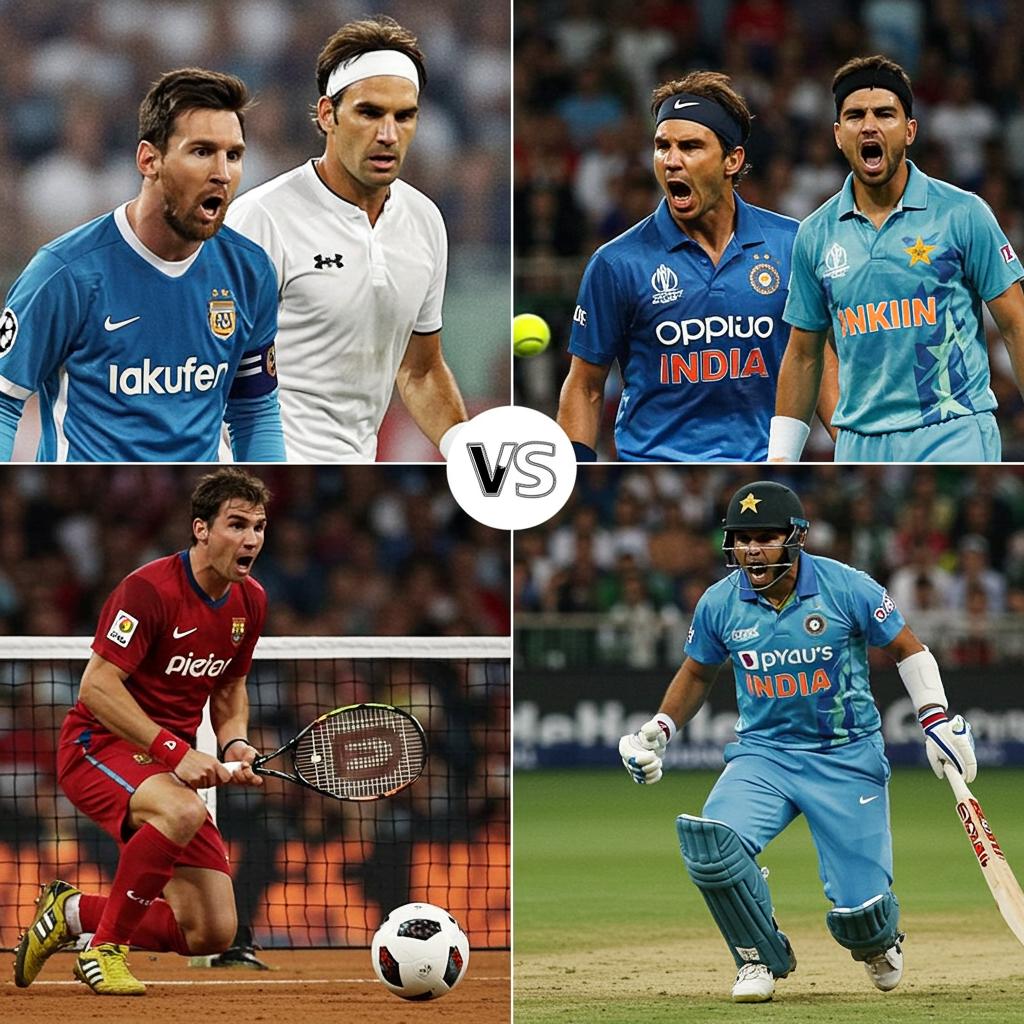
Sports have an extraordinary power to unite and divide, to create heroes and villains, and to generate emotions that stretch far beyond the boundaries of the playing field. At the heart of this emotional rollercoaster lie the great rivalries that have defined generations of fans and elevated athletic competition into the realm of epic storytelling. These rivalries are more than mere contests between opponents. They are cultural phenomena that tap into our deepest psychological needs for narrative, identity, and belonging.
The magic of sports rivalries lies in their ability to transform individual athletes or teams into symbols of something far greater than themselves. When Lionel Messi and Cristiano Ronaldo step onto the pitch, they carry not just their personal ambitions but the hopes and dreams of millions of fans around the world. Their rivalry has transcended football to become a debate about different philosophies of excellence. Messi, the naturally gifted magician from Argentina, represents pure talent and instinctive brilliance. Ronaldo, the Portuguese perfectionist, embodies relentless determination and physical prowess. For over a decade, their parallel careers have provided fans with endless debates, comparisons, and moments of pure sporting theater that have elevated both players to legendary status.
The tennis courts have witnessed their own epic narrative in the form of the Roger Federer versus Rafael Nadal rivalry, which many consider the greatest in tennis history. Their contrasting styles created a perfect dramatic tension that captivated audiences for nearly two decades. Federer's elegant, effortless grace represented classical tennis artistry, while Nadal's ferocious intensity and never-say-die attitude embodied the warrior spirit. Their encounters, particularly at Wimbledon and the French Open, became more than tennis matches—they were cultural events that attracted viewers who had never even picked up a racquet. The 2008 Wimbledon final between them is still regarded as one of the greatest matches ever played, a five-set epic that ended in near darkness and cemented their rivalry as something truly special.
Cricket's most intense rivalry belongs to India and Pakistan, two nations whose complex political history adds layers of meaning to every delivery bowled and every run scored. When these cricket powerhouses meet, the entire subcontinent comes to a standstill. The rivalry transcends sport because it carries the weight of partition, politics, and national pride. Matches between India and Pakistan are watched by over a billion people, making them some of the most-viewed sporting events in the world. The pressure on players is immense, knowing that their performance will be dissected by passionate fans who view cricket not just as a game but as a matter of national honor. The 2007 T20 World Cup final and countless encounters in ICC tournaments have produced moments of individual brilliance and collective heartbreak that remain etched in the memories of cricket fans everywhere.
What makes these rivalries so compelling is their ability to create sustained narrative tension over years or even decades. Unlike a single championship game, rivalries provide ongoing storylines that evolve with each encounter. Fans become invested in the long-term arc of these competitions, celebrating victories and lamenting defeats as if they were personal experiences. The emotional investment grows stronger with time, as each match adds another chapter to an ever-expanding story of competition, respect, and mutual elevation.
The psychology behind our fascination with sports rivalries runs deep into human nature. Rivalries satisfy our tribal instincts, allowing us to choose sides and feel part of something larger than ourselves. They provide clear narratives of good versus evil, even when both competitors are admirable in their own right. This binary choice gives fans a sense of identity and belonging, creating communities of supporters who share common hopes and experiences. The emotional highs and lows of supporting one side of a rivalry forge bonds between strangers and create memories that last a lifetime.
Great rivalries also push athletes to transcend their normal limitations. The presence of a worthy opponent forces competitors to dig deeper, innovate, and find levels of performance they might never have reached otherwise. Messi and Ronaldo have both acknowledged that their rivalry pushed them to become better players. Federer and Nadal consistently brought out the best in each other, with their contrasting styles demanding constant adaptation and improvement. In team sports like cricket, the intensity of India-Pakistan matches has produced some of the most memorable individual performances in the sport's history, as players rise to meet the occasion's demands.
The media and modern technology have amplified the reach and impact of these rivalries exponentially. Social media platforms allow fans to engage in real-time debates, share highlights, and build communities around their preferred competitors. Statistics are dissected endlessly, creating sub-narratives within the larger rivalry story. The 24-hour sports news cycle ensures that even the smallest developments in these rivalries become global talking points, maintaining interest and engagement even during off-seasons.
Perhaps most importantly, these rivalries remind us why we fell in love with sports in the first place. They strip away the commercial aspects and corporate messaging to reveal pure competition at its most elemental level. When Federer and Nadal embraced after their final professional encounter, when Messi and Ronaldo showed mutual respect despite years of comparison, or when Indian and Pakistani players share moments of sportsmanship amid intense competition, we see the nobility that sports can inspire. These moments transcend winning and losing to celebrate the human spirit's capacity for excellence, respect, and grace under pressure.
The ultimate rivalries in sports endure because they offer us something that scripted entertainment cannot: genuine uncertainty combined with the highest stakes. We watch because we genuinely don't know what will happen next, and because we care deeply about the outcome. These rivalries become part of our personal histories, marking significant moments in our lives and providing shared experiences that connect us to others across geographical and cultural boundaries.
As new rivalries emerge and old ones fade, the fundamental appeal remains constant. Sports rivalries tap into our most basic human emotions and desires, providing drama, meaning, and community in an increasingly fragmented world. They remind us that competition, when conducted with respect and integrity, can bring out the very best in human performance and character. Whether we're watching the next generation of football superstars, tennis champions, or cricket heroes, the magic of rivalry will continue to captivate us, offering the stories and emotions that make sports far more than just games.
The views expressed in this article are those of the author and do not necessarily reflect the views of WriteFlow. WriteFlow does not endorse this content and does not guarantee its accuracy or completeness.


Comments (0)