Canvas & Chaos: Exploring the Bold New Era of Modern Art

Introduction
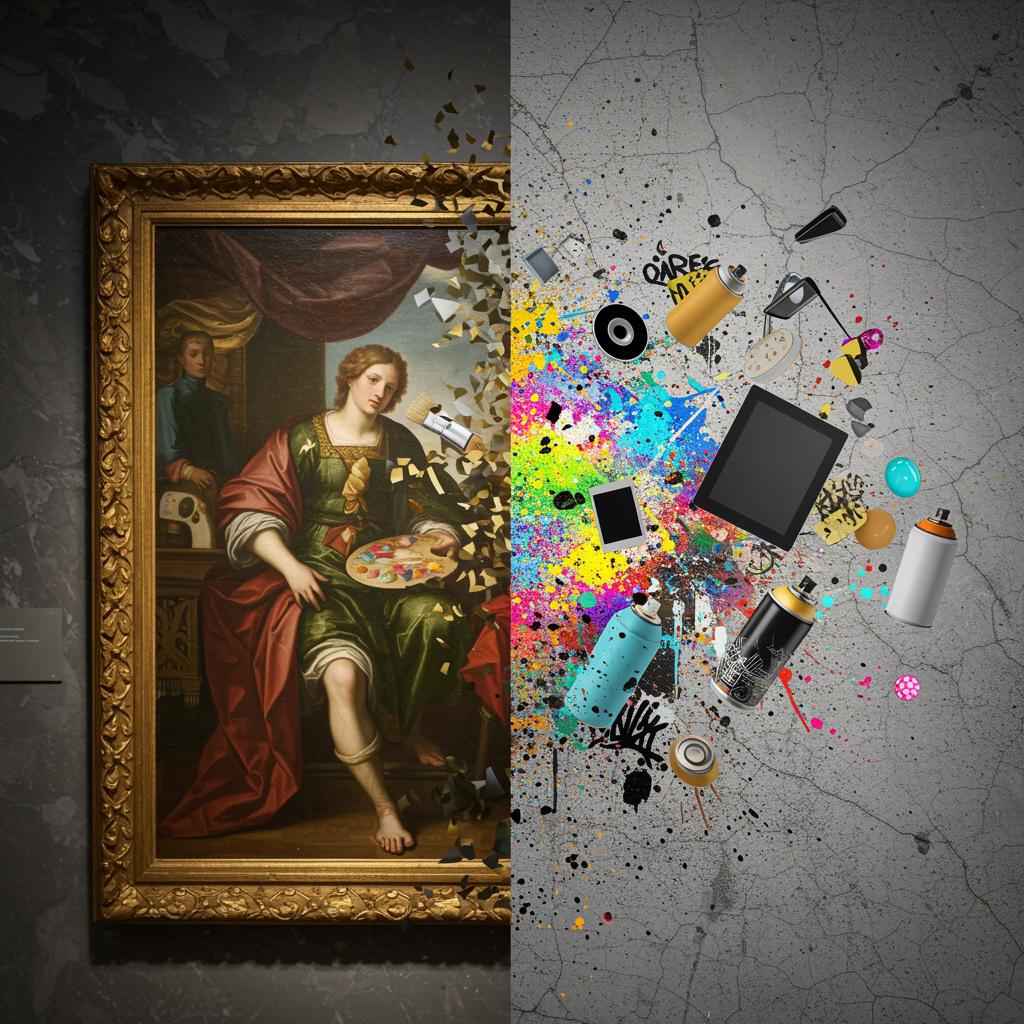
The art world is experiencing a seismic shift that would make even the most revolutionary artists of the past century take notice. Today's contemporary artists are not merely pushing boundaries. They are obliterating them entirely, creating a landscape where the very definition of art is being rewritten in real time. This bold new era represents more than just stylistic evolution. It embodies a fundamental reimagining of what art can be, who can create it, and where it can exist.
The traditional gallery space, once the sacred temple of artistic expression, now shares relevance with abandoned warehouses, digital platforms, public streets, and even virtual reality environments. Contemporary artists have recognized that art's power lies not just in its aesthetic appeal, but in its ability to provoke, challenge, and transform both individual consciousness and collective understanding. This revolution is being led by creators who refuse to be confined by medium, venue, or convention.
The Digital Transformation
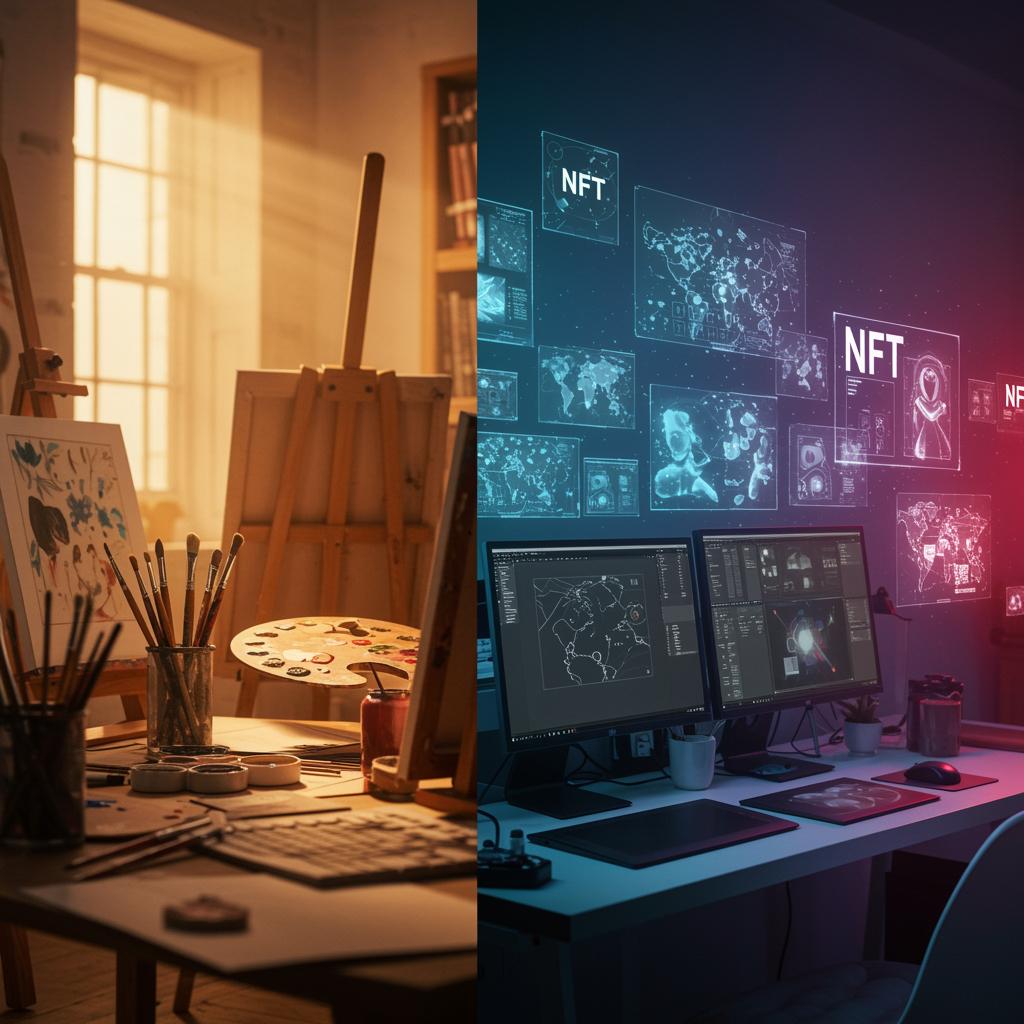
Digital technology has emerged as perhaps the most transformative force in contemporary art. Artists are harnessing artificial intelligence to create pieces that blur the line between human creativity and machine learning. NFT art has fundamentally challenged our understanding of ownership and value in the digital age, while virtual and augmented reality installations transport viewers into entirely new dimensions of experience. These technological integrations represent more than mere novelty. They reflect our increasingly digital existence and the ways technology shapes human perception and interaction.
The question of authenticity in an age of digital reproduction and artificial intelligence creation has become central to contemporary art discourse. As technology enables perfect replication and machine-generated creativity, artists and critics are grappling with fundamental questions about originality, authorship, and artistic value. Some embrace these technological possibilities as liberation from traditional constraints, while others worry about the loss of human authenticity in artistic expression.
The Rise of Street Art
Street art has evolved far beyond its rebellious origins to become a respected and influential movement within the contemporary art world. What began as unauthorized expressions on urban walls has transformed into a sophisticated art form that commands museum exhibitions and seven-figure sales. Artists like Banksy have demonstrated how public art can deliver powerful political and social commentary while maintaining widespread appeal.
The democratization of art through street art has made artistic expression accessible to communities traditionally excluded from gallery spaces, creating a more inclusive and diverse artistic landscape. This accessibility represents a fundamental challenge to the gatekeeping mechanisms that historically controlled artistic recognition and value.
Mixed Media and Installation Art
The concept of mixed media has exploded into something unrecognizable from its modest beginnings. Contemporary artists are incorporating everything from industrial waste and organic materials to sound, light, and even live organisms into their work. This approach reflects a broader understanding that art exists in relationship with the world around it, rather than in isolation from it.
Artists are creating installations that respond to environmental conditions, pieces that evolve over time, and works that require active participation from viewers to complete their meaning. The boundary between artist and audience has become increasingly fluid, with many contemporary works demanding engagement rather than passive observation.
Performance Art in the Digital Age
Performance art has experienced a renaissance, with artists using their bodies, actions, and presence as primary artistic mediums. These works often exist only in the moment of their creation, challenging traditional notions of permanent artistic objects while emphasizing the experiential nature of art.
Social media has amplified the reach and impact of performance art, allowing ephemeral actions to achieve lasting influence through documentation and viral sharing. A performance that lasts minutes can now reach millions, preserving its impact even as its physical manifestation disappears.
Globalization and Diversity
The globalization of the art world has brought unprecedented diversity to contemporary artistic expression. Artists from previously marginalized regions and communities are gaining international recognition, bringing unique perspectives shaped by their cultural backgrounds, political circumstances, and social realities.
This diversification has enriched the global artistic conversation while challenging Western-centric definitions of what constitutes significant art. The contemporary art world is increasingly recognizing that artistic excellence exists in every culture, and that the most vital art often emerges from communities navigating complex social and political realities.
Environmental Consciousness
Environmental consciousness has become a driving force in contemporary art, with many artists creating works that directly address climate change, sustainability, and humanity's relationship with the natural world. These pieces often incorporate recycled materials, address environmental destruction, or create immersive experiences that help viewers understand ecological relationships.
The urgency of environmental issues has pushed artists to move beyond representation toward active engagement with ecological concerns. Some contemporary artists have become activists, using their work to advocate for policy changes and public awareness about environmental threats.
The Disrupted Art Market
The traditional art market is being disrupted by new models of creation, distribution, and collection. Crowdfunding platforms allow artists to finance projects independently, while social media provides direct access to audiences without gallery intermediation. Online marketplaces have democratized art sales, though they have also raised questions about quality control and artistic value.
The emergence of art as an asset class has brought new collectors into the market while sometimes commodifying artistic expression in ways that conflict with artists' intentions. The tension between art as creative expression and art as financial investment has become increasingly pronounced in the contemporary art world.
Collaboration Across Disciplines
Collaboration has become increasingly central to contemporary artistic practice. Artists are working across disciplines with scientists, technologists, activists, and communities to create works that address complex contemporary challenges. These collaborative approaches reflect recognition that the most pressing issues of our time require interdisciplinary solutions.
Art's role extends beyond aesthetic pleasure to include social engagement and change. Many contemporary artists see their work as a form of research, investigation, or advocacy rather than simply object production.
Education and Evolution
Educational institutions are adapting to these changes by incorporating new technologies and interdisciplinary approaches into their curricula. Art schools are teaching digital skills alongside traditional techniques, encouraging students to think beyond conventional media and to consider art's role in addressing contemporary social and political issues.
This educational evolution is preparing a new generation of artists who are native to digital technologies and comfortable with boundary-crossing approaches. These emerging artists are likely to push contemporary art even further into uncharted territory.
Criticism and Curation
The role of art criticism and curation is evolving to accommodate these changes. Traditional critics trained in art historical methods are learning to evaluate works that may incorporate technology, social engagement, or ephemeral elements that do not fit established evaluation criteria.
Curators are experimenting with new exhibition formats that can accommodate digital works, interactive installations, and community-engaged pieces that challenge conventional museum practices. The exhibition itself has become an art form for some contemporary curators.
Fundamental Questions
Despite these revolutionary changes, fundamental questions about art's purpose and value persist. Contemporary artists continue to grapple with eternal themes of human existence, love, death, power, identity, and meaning, while using radically new methods and materials.
The chaos of contemporary artistic expression reflects the complexity of modern life, while the enduring power of creative expression provides continuity with art's historical mission. Art remains a fundamental human activity, even as its forms and contexts evolve dramatically.
The Future of Art
Looking toward the future, contemporary art appears poised for even more dramatic transformations. Advances in biotechnology, space exploration, and artificial intelligence will likely provide new mediums and contexts for artistic expression. The growing importance of virtual and augmented reality suggests that the physical art object may become just one option among many for artistic creation and experience.
The democratization of artistic tools and platforms means that the next revolutionary artistic movement may emerge from unexpected places and practitioners. Social media has already demonstrated how quickly new artistic forms can gain global recognition, suggesting that the future of art may be more unpredictable and diverse than ever before.
Conclusion
The bold new era of modern art represents more than stylistic change. It embodies a fundamental expansion of human creative possibility. By breaking traditional boundaries, contemporary artists are not destroying art's heritage but expanding its potential to engage with the full complexity of contemporary existence.
In this canvas of chaos, we find not destruction but creation. Not confusion but clarity about art's enduring power to illuminate, challenge, and transform human understanding. The revolution continues, and its next chapter remains unwritten, waiting for artists bold enough to imagine possibilities we cannot yet conceive.
In this ongoing transformation, the only certainty is that art will continue to evolve, challenge, and inspire, just as it has throughout human history. But perhaps never with such dramatic scope and revolutionary potential as we witness today.
The views expressed in this article are those of the author and do not necessarily reflect the views of WriteFlow. WriteFlow does not endorse this content and does not guarantee its accuracy or completeness.
Comments (0)