The Rise of Digital Artists: How the Internet Is Redefining Creativity

Introduction
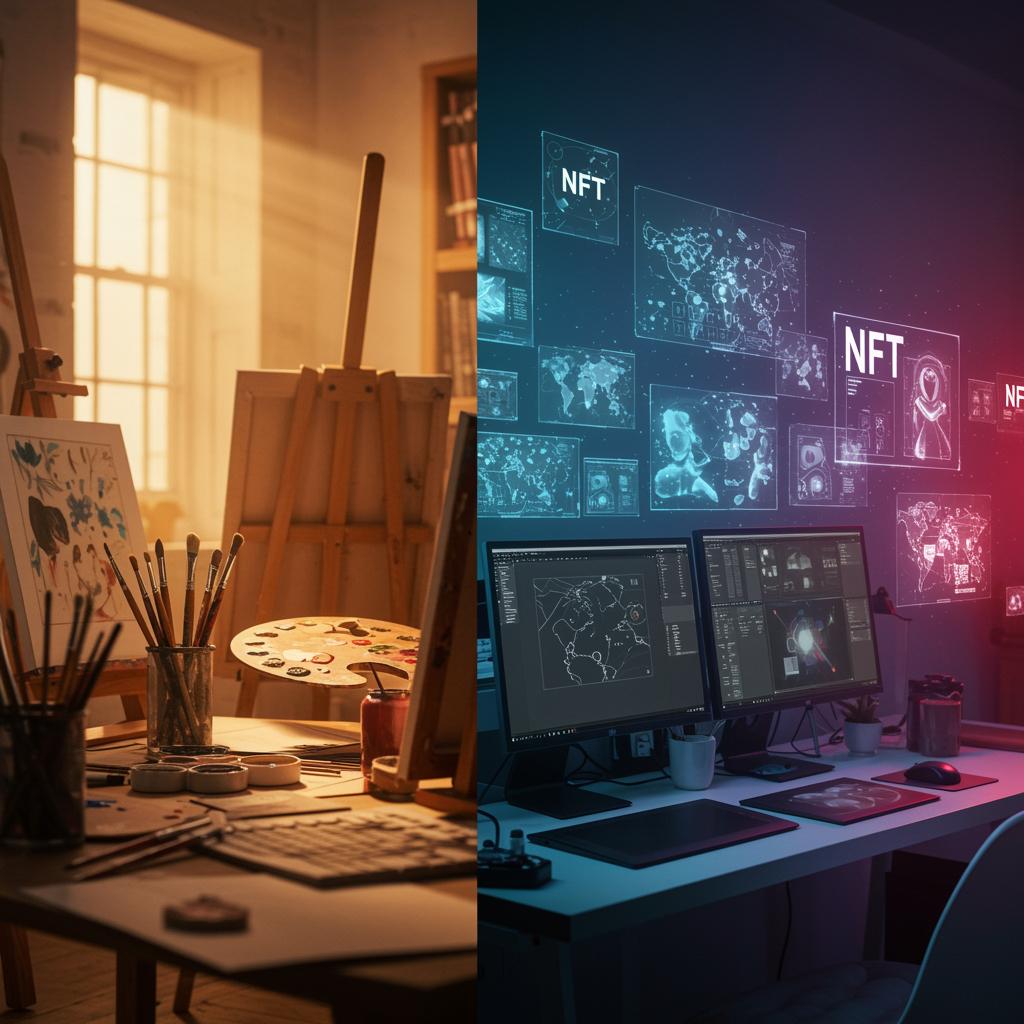
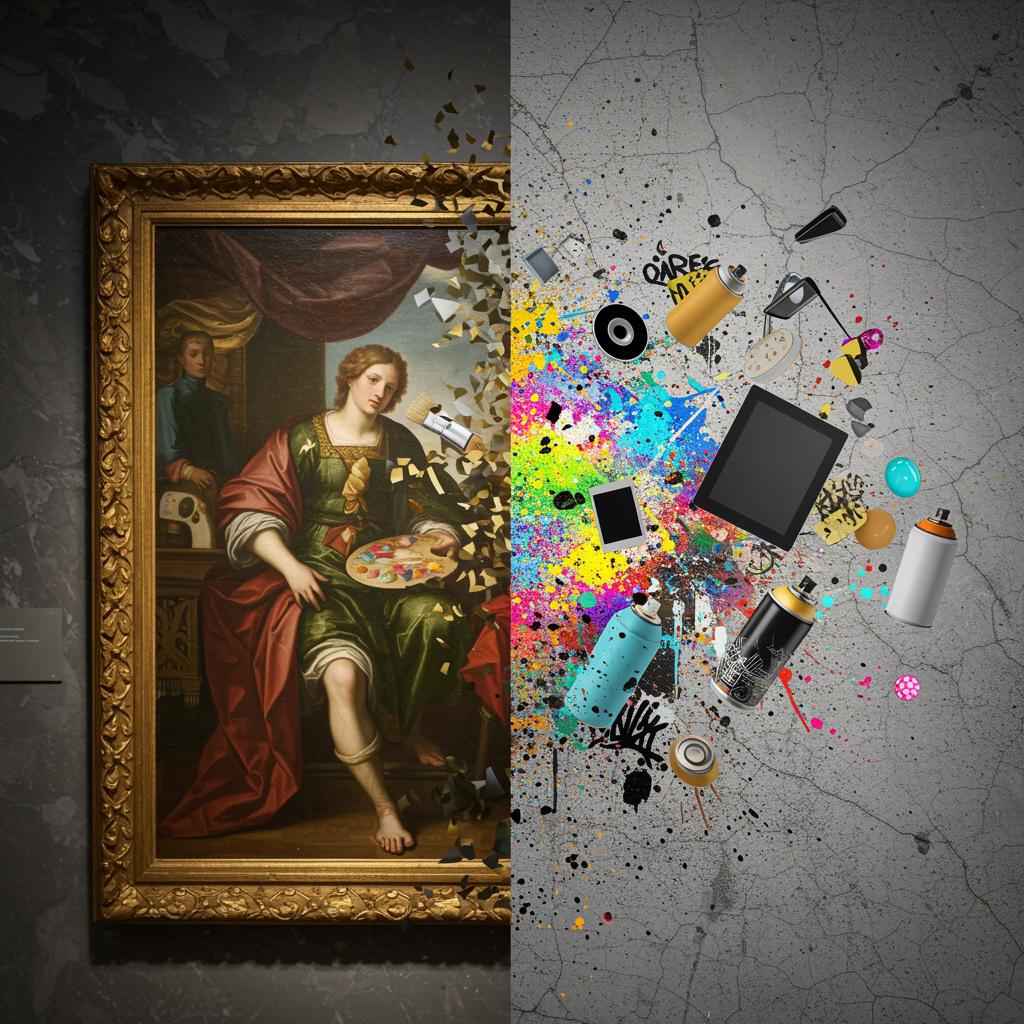
The landscape of artistic creation has undergone a profound transformation in the digital age, fundamentally altering how art is conceived, produced, distributed, and consumed. What once required physical materials, gallery connections, and geographical proximity to artistic communities can now be accomplished with a smartphone, an internet connection, and creative vision. This digital revolution has not merely supplemented traditional art forms but has created entirely new categories of artistic expression, democratized access to both creation and audience, and challenged long-held assumptions about the value, ownership, and authenticity of art.
Social Media as the New Gallery
Social media platforms, particularly Instagram, have emerged as the primary galleries of the twenty-first century, transforming how artists share their work and build their careers. Unlike traditional gallery systems that often required years of networking, formal education, and institutional approval, Instagram allows artists to showcase their portfolios to millions of potential viewers instantaneously. The platform's visual-first approach has proven particularly conducive to artistic expression, enabling creators to build substantial followings without ever setting foot in a physical gallery.
Artists like Banksy, whose street art gains viral status through Instagram posts, demonstrate how social media can amplify artistic impact beyond geographical boundaries. The platform has also given rise to entirely new art forms, such as Instagram Stories art that exists only temporarily, reflecting the ephemeral nature of digital culture.
Democratization of Tools and Access
The democratization of artistic tools and platforms has lowered barriers to entry dramatically, allowing individuals who might never have had access to traditional art education or expensive materials to explore their creative potential. Digital art software, once prohibitively expensive, is now available through affordable subscriptions or free alternatives, while tutorials and online courses provide instruction that rivals formal art education.
This accessibility has led to an explosion of creative output from diverse voices and backgrounds, enriching the global artistic landscape with perspectives that were previously marginalized or excluded from traditional art world structures. Young artists in remote locations can now learn advanced digital painting techniques, connect with mentors worldwide, and build international audiences without relocating to major cultural centers.
NFTs and the Revolution of Digital Ownership
Non-fungible tokens have introduced a revolutionary concept of digital ownership and scarcity that has fundamentally challenged traditional notions of art collection and value. By creating unique digital certificates of ownership stored on blockchain technology, NFTs have enabled digital artworks to be bought, sold, and collected in ways previously impossible.
This innovation has created new revenue streams for digital artists who previously struggled to monetize their work in a world where digital files could be easily copied and shared. High-profile sales, such as Beeple's Everydays: The First 5000 Days selling for sixty-nine million dollars at Christie's auction house, have legitimized digital art in the traditional art market and attracted mainstream attention to the medium. However, the NFT market has also generated significant controversy regarding environmental impact, speculative bubbles, and questions about the intrinsic value of digital ownership.
Artificial Intelligence as Creator and Collaborator
Artificial intelligence has emerged as both a powerful creative tool and a source of philosophical tension within the art world. AI-powered software can now generate images, compose music, and even write poetry with sophisticated complexity, raising fundamental questions about creativity, authorship, and the role of human intention in art.
Tools like DALL-E, Midjourney, and Stable Diffusion enable users to create complex visual art through text prompts, democratizing image creation while simultaneously challenging traditional artistic skills and processes. Some artists have embraced AI as a collaborative partner, using machine learning algorithms to explore new aesthetic possibilities and push creative boundaries. Others view AI-generated art as a threat to human creativity and artistic labor, arguing that it devalues the time, skill, and emotional investment that traditional art requires.
Economic Transformation and New Business Models
The economic implications of this digital transformation have been profound and multifaceted. Traditional gatekeepers such as gallery owners, critics, and collectors have seen their influence diminished as artists can now reach audiences directly and sell work through various online platforms. This disintermediation has enabled artists to retain larger portions of their sales revenue while also requiring them to develop entrepreneurial skills in marketing, social media management, and business operations.
Subscription-based platforms like Patreon have created new models for ongoing artist support, allowing creators to build sustainable income streams through regular patronage rather than relying solely on individual art sales. However, this shift has also created new challenges, including market oversaturation, the difficulty of standing out in an increasingly crowded digital space, and the pressure to constantly produce content for social media engagement.
Globalization and Cross-Cultural Collaboration
The globalization of art through digital platforms has created unprecedented opportunities for cross-cultural exchange and collaboration. Artists from different continents can now collaborate in real time, sharing techniques, styles, and perspectives that were previously isolated by geography and cultural barriers.
This interconnectedness has led to the emergence of new hybrid art forms that blend traditional cultural elements with contemporary digital aesthetics, creating work that reflects our increasingly globalized world. Digital art communities have formed around shared interests and techniques rather than geographical proximity, fostering innovation through diverse collaboration and knowledge sharing.
Virtual and Augmented Reality: New Dimensions of Expression
Virtual and augmented reality technologies are pushing the boundaries of artistic expression even further, creating immersive experiences that engage audiences in entirely new ways. Virtual reality art installations can transport viewers to impossible worlds, while augmented reality applications can overlay digital art onto physical spaces, blending reality with imagination.
These technologies are not merely new mediums for traditional artistic concepts but are enabling entirely new forms of narrative, spatial, and interactive art that would be impossible in physical media. Artists working in these emerging mediums are pioneering new vocabularies of expression that will likely influence all forms of art in the coming decades.
Preservation and Cultural Heritage
The rise of digital art has also sparked important conversations about preservation, longevity, and cultural heritage. Unlike traditional artworks that can last for centuries when properly maintained, digital art faces unique challenges related to technological obsolescence, file corruption, and platform dependency.
Museums and cultural institutions are grappling with how to collect, preserve, and display digital artworks for future generations. The ephemeral nature of some digital art forms, such as social media-based performances or interactive web experiences, raises questions about whether preservation is even desirable or possible, and whether the temporary nature of these works is an integral part of their artistic meaning.
The Changing Role of Criticism and Curation
The transformation of art criticism and curation in the digital age reflects broader changes in how cultural value is determined and communicated. Traditional art critics, once powerful arbiters of artistic merit, now compete with influencers, algorithm-driven recommendations, and crowd-sourced opinions for influence over public taste.
Digital platforms use engagement metrics, shares, and likes as measures of artistic success, creating new forms of validation that may or may not correlate with traditional aesthetic or conceptual merit. This shift has democratized art criticism while also raising concerns about the reduction of complex artistic expression to simple popularity metrics.
Education and Adaptation
Educational institutions are adapting to this new landscape by incorporating digital art tools and concepts into their curricula, while also grappling with how to teach timeless artistic principles in a rapidly evolving technological environment. Art schools now offer courses in NFT creation, social media marketing for artists, and AI-assisted creation alongside traditional drawing, painting, and sculpture classes.
This integration reflects the recognition that contemporary artists must be fluent in both traditional techniques and digital tools to succeed in the modern art world.
Environmental Concerns
The environmental impact of digital art, particularly in relation to blockchain technologies and NFTs, has become a significant concern within the art community. The energy consumption required for cryptocurrency mining and blockchain transactions has raised questions about the sustainability of digital art markets.
Some artists and platforms are responding by adopting more energy-efficient blockchain technologies or carbon offset programs, while others are exploring alternative models for digital art distribution and ownership that do not rely on energy-intensive blockchain systems.
Looking to the Future
As we look toward the future, the intersection of art and technology continues to evolve at an unprecedented pace. Emerging technologies such as brain-computer interfaces, quantum computing, and advanced biotechnology promise to create even more radical transformations in how art is created and experienced. The artists who are embracing these digital tools today are not merely adapting to technological change but are actively shaping the future of human creative expression.
Conclusion
The rise of digital artists represents more than a simple technological shift. It embodies a fundamental reimagining of what art can be, who can create it, and how it functions in society. While challenges remain regarding sustainability, preservation, and the balance between technological innovation and human creativity, the digital revolution has undeniably expanded the possibilities for artistic expression and made art more accessible to both creators and audiences worldwide.
As these technologies continue to mature and new ones emerge, the definition of art itself will likely continue to evolve, ensuring that creativity remains one of humanity's most dynamic and transformative forces in the digital age.
The views expressed in this article are those of the author and do not necessarily reflect the views of WriteFlow. WriteFlow does not endorse this content and does not guarantee its accuracy or completeness.
Comments (0)