Fantasy Sports: The New Digital Arena for Fans

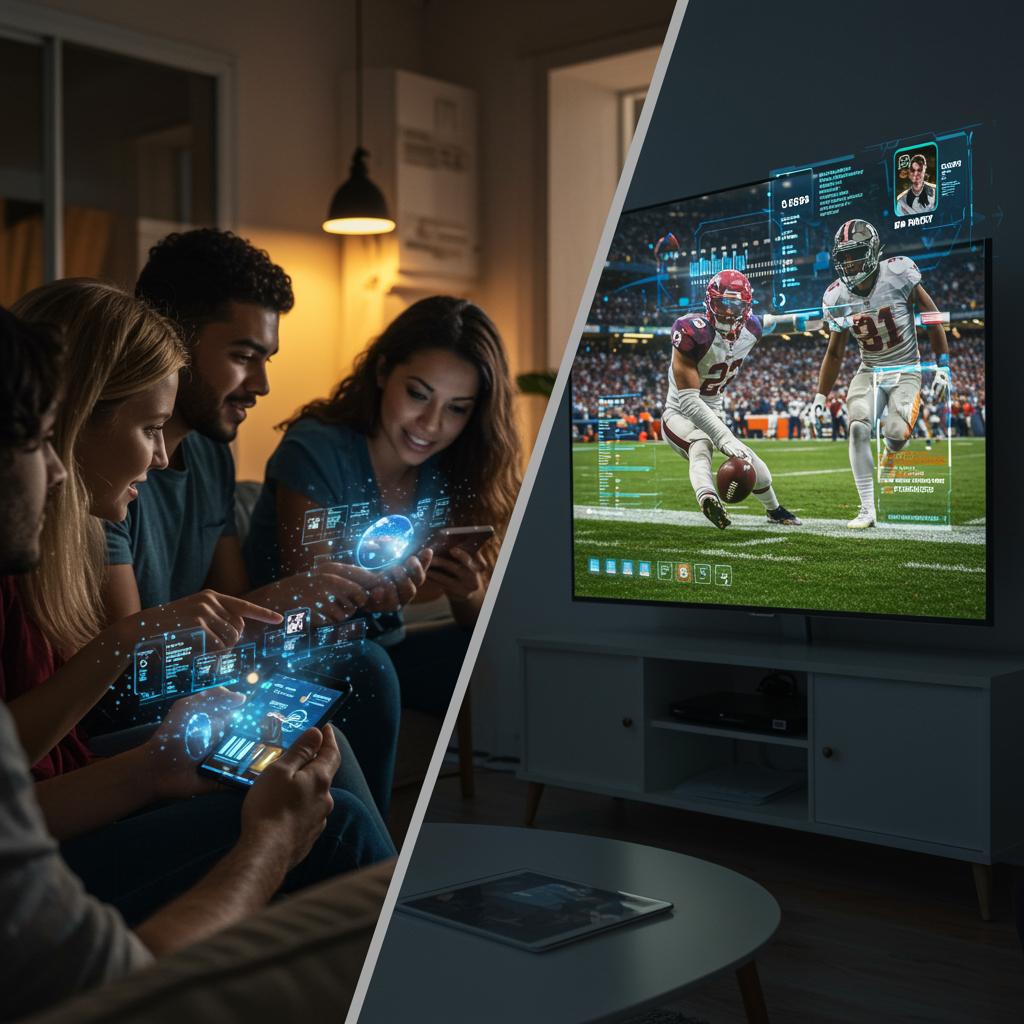
The Digital Revolution of Sports Fandom
In the span of just two decades, fantasy sports have transformed from a niche hobby enjoyed by dedicated sports enthusiasts to a global phenomenon that has fundamentally changed how millions of fans engage with their favorite games. What began as simple paper-and-pencil leagues among friends has evolved into a sophisticated digital ecosystem expected to reach nearly sixty billion dollars by 2029, growing at an impressive rate of nearly fifteen percent annually. This remarkable growth represents more than just market expansion. It signifies a complete reimagining of the relationship between sports fans and the games they love.
The concept of fantasy sports is elegantly simple yet psychologically compelling. Participants assume the role of team owners, drafting real players from professional leagues to create their own virtual teams. These fantasy teams then compete based on the actual statistical performance of the selected players in real-world games. A quarterback's touchdown pass, a basketball player's assists, or a soccer player's goals directly translate into fantasy points, creating an intimate connection between the fan and every play, every game, and every season.
The Mechanics of Modern Fantasy Engagement
Understanding the appeal of fantasy sports requires examining the sophisticated systems that power today's platforms. Modern fantasy leagues operate on carefully calibrated scoring systems that assign point values to various statistical achievements. In fantasy football, for example, a quarterback might earn four points for a touchdown pass, while running backs receive six points for rushing touchdowns. These systems create a new lens through which fans view games, transforming routine plays into moments of personal triumph or disappointment.
The draft process itself has become a celebrated ritual that rivals the excitement of actual sporting events. Friends gather for draft parties, complete with elaborate spreadsheets, player rankings, and strategic discussions that can last hours. The emergence of mobile technology has made this process even more accessible, allowing participants to conduct drafts from anywhere in the world. The psychological satisfaction of discovering an undervalued player or making a shrewd trade creates a sense of intellectual accomplishment that traditional fandom rarely provides.
Daily fantasy sports have introduced an additional layer of engagement by compressing the traditional season-long format into single-day or week-long competitions. This innovation has dramatically expanded the appeal of fantasy sports by removing the long-term commitment barrier while simultaneously increasing the frequency of participation. Players can now experience the thrill of team building and competition multiple times per week rather than waiting for an entire season to conclude.
The Psychology Behind the Obsession
The addictive nature of fantasy sports stems from a perfect storm of psychological triggers that tap into fundamental human motivations. The most powerful of these is the concept of perceived control. Fantasy sports provide participants with the illusion that their decisions directly influence outcomes, creating a sense of agency that is largely absent from traditional sports fandom. When a carefully selected player performs well, participants experience genuine pride in their management skills, even though their influence on the actual performance was nonexistent.
The social dynamics of fantasy leagues add another crucial layer to their appeal. Most leagues consist of friends, family members, or colleagues, creating ongoing narratives and rivalries that extend far beyond the games themselves. The trash talk, strategic discussions, and shared experiences forge stronger social bonds while providing continuous conversation topics throughout the sports season. This social component transforms individual game viewing into a communal experience, even when participants are watching from different locations.
Research has shown that college students who participate in fantasy sports are five times more likely to develop gambling problems compared to non-participants, highlighting the psychological intensity of the experience. The constant availability of performance data, combined with the immediate feedback loop of scoring updates, creates an environment where the features that make these products exciting and engaging are also the features that make them addictive.
The Technology Driving the Fantasy Revolution
The explosion of fantasy sports participation directly correlates with advances in mobile technology and real-time data processing. Modern fantasy platforms provide instantaneous updates on player performance, injury reports, weather conditions, and countless other variables that influence decision-making. Push notifications alert users to breaking news that might affect their lineups, creating a constant stream of engagement opportunities throughout each day.
Artificial intelligence and machine learning algorithms have revolutionized player analysis and recommendations. The fantasy sports market finds itself on the cusp of an AI-powered market evolution, driving transformation and expanding possibilities as platforms increasingly offer sophisticated analytical tools that were once available only to professional scouts and analysts. These tools provide projected point totals, matchup analyses, and optimal lineup suggestions, democratizing access to advanced sports analytics.
The integration of augmented reality and virtual reality technologies promises to further enhance the fantasy experience. Technological advancements in this space, along with rising demand for interactive and engaging fan experiences, are spurring significant growth in the sector. These technologies could soon allow fantasy participants to visualize their team's performance in immersive three-dimensional environments or interact with virtual representations of their selected players.
Mobile applications have become the primary interface for fantasy participation, with platforms investing heavily in user experience design to maximize engagement. Features like live scoring, interactive chat functions, and seamless roster management have made fantasy sports management as accessible as checking social media. The result is a generation of sports fans who are as likely to check their fantasy scores as they are to check actual game scores.
Economic Impact and Industry Growth
The economic impact of fantasy sports extends far beyond the platforms themselves, influencing everything from television ratings to merchandise sales. North America continues to dominate the global fantasy sports market, holding approximately forty-three percent of the market share in 2024, but international expansion is accelerating rapidly as global sports leagues recognize the engagement and revenue potential.
Fantasy sports have created entirely new career paths and industries. Professional fantasy analysts command significant salaries, fantasy sports journalism has become a legitimate media sector, and specialized software companies serve the needs of serious fantasy participants. The rise of daily fantasy sports has attracted venture capital investment and created publicly traded companies worth billions of dollars, demonstrating the sector's transition from entertainment to serious business.
Television networks have adapted their programming to serve fantasy audiences, with dedicated shows, ticker displays of fantasy-relevant statistics, and specialized commentary focused on player performance rather than team outcomes. This shift has created a symbiotic relationship where fantasy engagement drives viewership, which in turn increases advertising revenue for broadcasters and exposure for professional leagues.
The demographic reach of fantasy sports has expanded beyond traditional sports fan bases. In 2022, there were over twenty-nine million players in the United States who participated in fantasy football alone, representing a cross-section of society that includes participants who might otherwise have minimal interest in sports. This expansion has created new marketing opportunities for brands seeking to reach engaged, affluent consumers who spend significant time interacting with sports-related content.
Cultural and Social Implications
Fantasy sports have fundamentally altered how sports are consumed and discussed in modern society. Traditional allegiances to hometown teams now compete with personal financial interests in individual players from various teams. This shift has created more informed fans who understand player statistics, injury reports, and team strategies at unprecedented levels of detail. The result is a more sophisticated sports discourse that extends beyond casual fandom into genuine analytical engagement.
The social dynamics within fantasy leagues often reflect and amplify existing relationships while creating new forms of interaction. Workplace fantasy leagues can strengthen professional relationships but may also create awkward power dynamics when supervisors and subordinates compete directly. Family leagues can foster intergenerational bonding as grandparents, parents, and children find common ground in their shared fantasy interests.
The global nature of modern fantasy platforms has created international communities of sports fans who might never have connected otherwise. Participants in fantasy soccer leagues, for example, might include fans from Europe, South America, and North America, all united by their shared interest in player performance rather than traditional geographic loyalties. This globalization of sports fandom represents a significant cultural shift in how sporting communities form and maintain themselves.
Fantasy sports have also contributed to the increased prominence of individual player brands over team identities. Star players now market themselves directly to fantasy audiences, understanding that their fantasy relevance can influence their overall popularity and endorsement opportunities. This dynamic has created new power structures within professional sports where individual statistical performance can be as valuable as team success.
Challenges and Concerns
Despite their popularity, fantasy sports face significant challenges and criticisms that raise important questions about their long-term sustainability and social impact. The most serious concern involves the potential for addiction and problematic gambling behavior. The line between fantasy sports and gambling has become increasingly blurred, particularly with the rise of daily fantasy platforms that involve monetary entry fees and cash prizes.
Regulatory uncertainty continues to plague the industry as different jurisdictions struggle to classify fantasy sports within existing legal frameworks. Some regions have banned daily fantasy sports entirely, while others have implemented strict regulations that limit operational flexibility. This patchwork of regulatory approaches creates compliance challenges for platform operators and uncertainty for participants.
The time commitment required for serious fantasy participation has become a source of relationship strain for many participants. The constant monitoring of player news, lineup optimization, and league management can consume hours of daily attention, leading to conflicts with work responsibilities and family time. Some participants report feeling obligated to maintain their engagement levels to remain competitive within their leagues, creating a form of social pressure that transforms entertainment into obligation.
Data privacy and security concerns have emerged as fantasy platforms collect increasingly detailed information about user behavior, preferences, and spending patterns. The integration of fantasy platforms with social media accounts and the sharing of personal information within leagues raises questions about data protection and user privacy rights.
The Future of Fantasy Sports
The trajectory of fantasy sports points toward even greater integration with mainstream sports consumption and technological innovation. Blockchain technology and non-fungible tokens are beginning to create new forms of fantasy engagement where participants can truly own digital representations of players or teams. These developments could fundamentally change the economic model of fantasy sports by creating scarcity and value in digital assets.
Live streaming integration represents another frontier for fantasy engagement. Platforms are experimenting with personalized broadcasts that focus on the specific players relevant to each viewer's fantasy team. This technology could create individualized viewing experiences where the camera follows a viewer's fantasy players throughout a game, fundamentally changing how sports are broadcast and consumed.
The expansion into emerging sports markets presents significant growth opportunities. Fantasy football, meaning soccer, has gained immense popularity, mirroring the real-world game and offering numerous leagues for competition, while other sports like cricket, rugby, and esports are developing their own fantasy ecosystems. This diversification could help fantasy sports maintain growth momentum even as traditional American sports markets reach saturation.
Artificial intelligence will continue to enhance the fantasy experience through more sophisticated player projections, automated lineup optimization, and personalized strategy recommendations. These tools may eventually become so advanced that they challenge the skill-based nature of fantasy sports, raising questions about the balance between human decision-making and algorithmic assistance.
Conclusion: The Transformation of Fandom
Fantasy sports represent more than just a form of entertainment. They embody a fundamental transformation in how modern society engages with sports and community. By providing participants with agency, social connection, and intellectual challenge, fantasy platforms have created a new category of sports experience that bridges the gap between passive consumption and active participation.
The explosive growth of the fantasy sports industry reflects broader cultural trends toward personalization, social gaming, and digital community building. As traditional forms of social interaction continue to evolve in the digital age, fantasy sports provide a structured environment for maintaining relationships and creating shared experiences around common interests.
However, the challenges facing the industry require thoughtful consideration and proactive solutions. The potential for addiction, the regulatory uncertainties, and the social pressures associated with constant engagement must be addressed to ensure that fantasy sports remain a positive force in sports culture. Platform operators, regulators, and participants all share responsibility for maintaining the balance between entertainment and excess.
Looking forward, fantasy sports will likely continue their evolution toward greater integration with sports media, more sophisticated technology, and expanded global reach. The fundamental appeal of fantasy sports, the combination of strategy, social interaction, and sports knowledge, ensures their continued relevance in an increasingly digital world. As the line between digital and physical sports experiences continues to blur, fantasy sports may well represent the future of sports fandom itself, where every fan is an owner, every game has personal stakes, and every season offers the promise of victory through wisdom, strategy, and perhaps just a little bit of luck.
The views expressed in this article are those of the author and do not necessarily reflect the views of WriteFlow. WriteFlow does not endorse this content and does not guarantee its accuracy or completeness.




Comments (0)