Code the Future: Innovate, Automate, Dominate


Introduction
In an era where digital transformation is a fundamental shift in how we live, work, and interact with the world, coding has emerged as the universal language of progress. The phrase "Code the Future: Innovate, Automate, Dominate" encapsulates the transformative power of programming in shaping tomorrow's landscape. This exploration delves into how coding serves as the cornerstone of innovation, the catalyst for automation, and the pathway to technological dominance in our increasingly connected world.
The Programming Revolution: Beyond Traditional Boundaries
The programming revolution extends far beyond traditional software development. Modern coding influences everything from biological research to space exploration, from financial markets to creative arts. This evolution represents a fundamental shift in how we approach problem-solving across all sectors.
Programming languages have become the tools through which we encode human creativity into executable instructions. The democratization of coding education has opened doors for individuals from diverse backgrounds, while low-code and no-code platforms have enabled business professionals to create sophisticated applications without extensive programming knowledge.
Innovation Through Code: Reshaping Industries
Healthcare and Biotechnology
The healthcare industry exemplifies how coding drives innovation. Electronic health records, telemedicine platforms, and AI-powered diagnostic tools have transformed patient care. Machine learning algorithms now assist radiologists in detecting early-stage cancers with greater accuracy than human analysis alone. Bioinformatics enables researchers to analyze vast genetic datasets, accelerating vaccine development from years to months.
Financial Technology
The financial sector has undergone complete transformation through innovative coding. Algorithmic trading systems execute millions of transactions per second. Cryptocurrency blockchain networks have created entirely new economic models. Decentralized finance protocols challenge traditional banking by enabling peer-to-peer financial services without intermediaries.
Transportation and Mobility
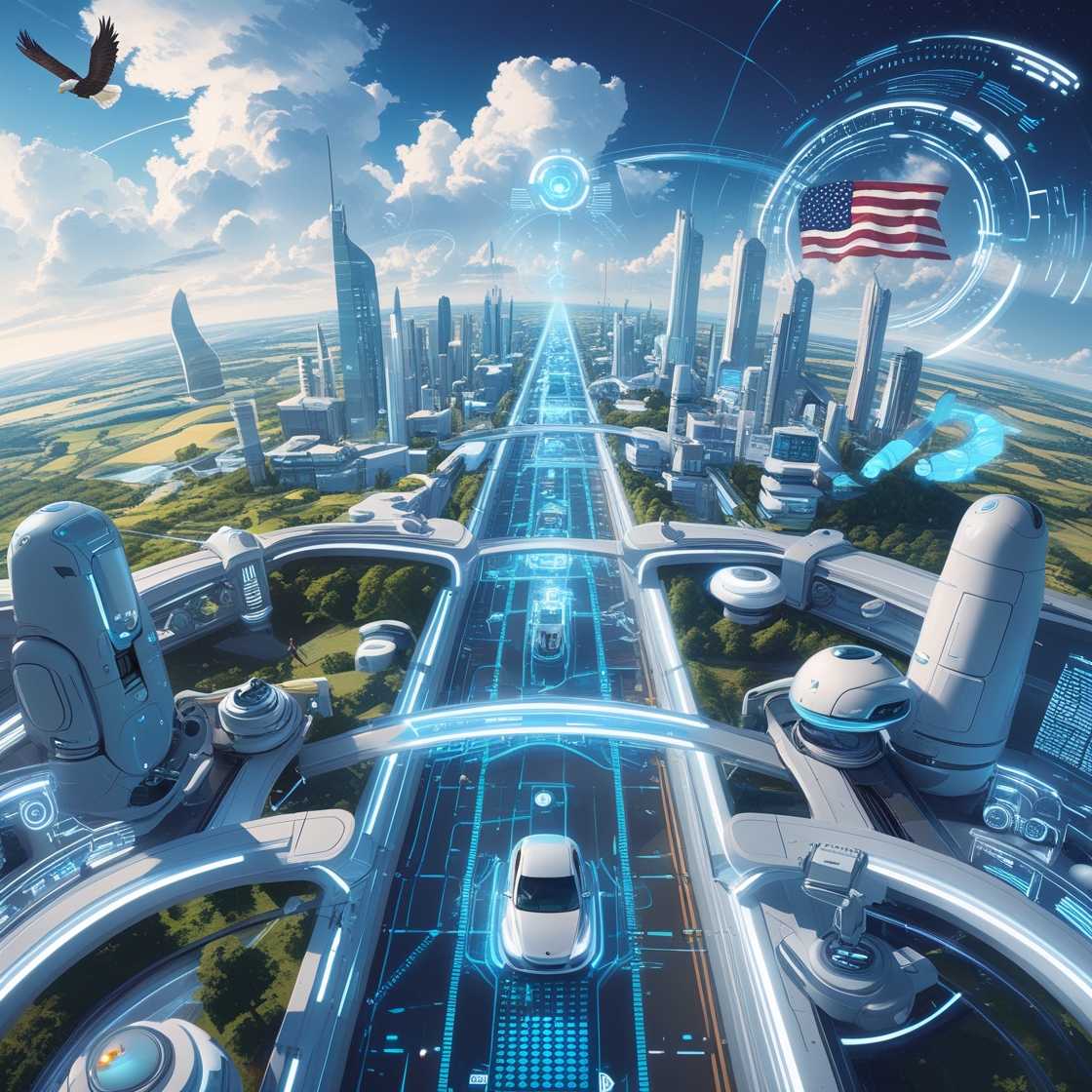
Autonomous vehicle systems rely on sophisticated software that processes sensor data in real-time. Route optimization algorithms have reduced traffic congestion and improved urban mobility. Electric vehicle charging networks use smart coding to balance grid loads and integrate renewable energy sources.
Automation: The Code-Driven Efficiency Engine
Industrial Automation and Manufacturing
Industrial robots perform precision tasks that surpass human capabilities in accuracy and endurance. Industry 4.0 integrates IoT devices, artificial intelligence, and advanced analytics into manufacturing processes. Predictive maintenance algorithms anticipate equipment failures before they occur, while computer vision systems detect defects at impossible human speeds.
Business Process Automation
Customer service chatbots handle routine inquiries around the clock. Automated invoice processing extracts data from documents and flags discrepancies without human oversight. Human resources departments leverage coded solutions for resume screening and interview scheduling. Financial processes have been particularly transformed, with expense reporting and compliance monitoring increasingly handled by intelligent systems.
Agricultural and Environmental Automation
Precision agriculture uses GPS-guided tractors and drone networks to monitor crop health. Automated irrigation adjusts water delivery based on soil sensors and weather forecasts. Environmental monitoring systems track air quality and water pollution, providing real-time data for rapid response.
Technological Dominance: Competitive Advantages Through Code
Data-Driven Decision Making
Advanced analytics platforms process vast amounts of data to identify patterns and predict trends. Machine learning models continuously improve over time. Customer behavior analysis enables personalized experiences and optimized marketing campaigns. Supply chain optimization helps companies anticipate demand fluctuations and identify potential disruptions.
Platform Economics and Network Effects
Coding enables digital platforms that benefit from network effects, where value increases with each additional user. APIs allow platforms to extend functionality by enabling third-party developers to build complementary services, creating ecosystems of innovation.
Innovation Acceleration
Companies that excel at coding can rapidly prototype and deploy new features. Continuous integration pipelines allow software updates multiple times per day. Organizations that invest in clean, maintainable code architectures can evolve their systems more rapidly and at lower cost than those burdened by technical debt.
Emerging Technologies: The Next Frontier
Artificial Intelligence and Machine Learning
Large language models demonstrate AI's potential to understand and generate human-like text. Computer vision systems can identify objects and faces in real-time video. Reinforcement learning algorithms enable AI to master complex games and optimize resource allocation.
Quantum Computing
Quantum computing promises to revolutionize certain types of computational problems. While still in early stages, quantum algorithms show potential for solving optimization challenges and scientific simulations intractable for classical computers.
Blockchain and Distributed Systems
Blockchain enables trustless systems without central authorities. Smart contracts create programmable money and automated agreements. Beyond cryptocurrencies, blockchain applications include supply chain traceability and digital identity management.
The Skills Revolution: Preparing for Tomorrow
Modern developers must understand cloud computing platforms, containerization technologies, and DevOps practices. Data science skills have become valuable across many roles. Cybersecurity awareness is critical as connected systems create new vulnerabilities.
While technical skills remain important, collaboration and communication abilities are increasingly valuable. Agile methodologies emphasize iterative development and cross-functional teamwork. Problem-solving approaches that combine technical knowledge with business understanding enable developers to create solutions that truly address user needs.
Challenges and Considerations
Ethical Implications
Algorithmic bias can perpetuate societal inequalities. Developers must consider the broader implications of their work and build systems that respect human dignity. AI systems raise questions about transparency and accountability.
Environmental Impact
Data centers consume substantial energy. Sustainable coding practices and efficient algorithms become moral imperatives as well as technical considerations.
Digital Divide
Access to technology education and modern devices varies across socioeconomic lines. Ensuring that technological benefits are broadly shared requires intentional effort and policy intervention.
Future Outlook
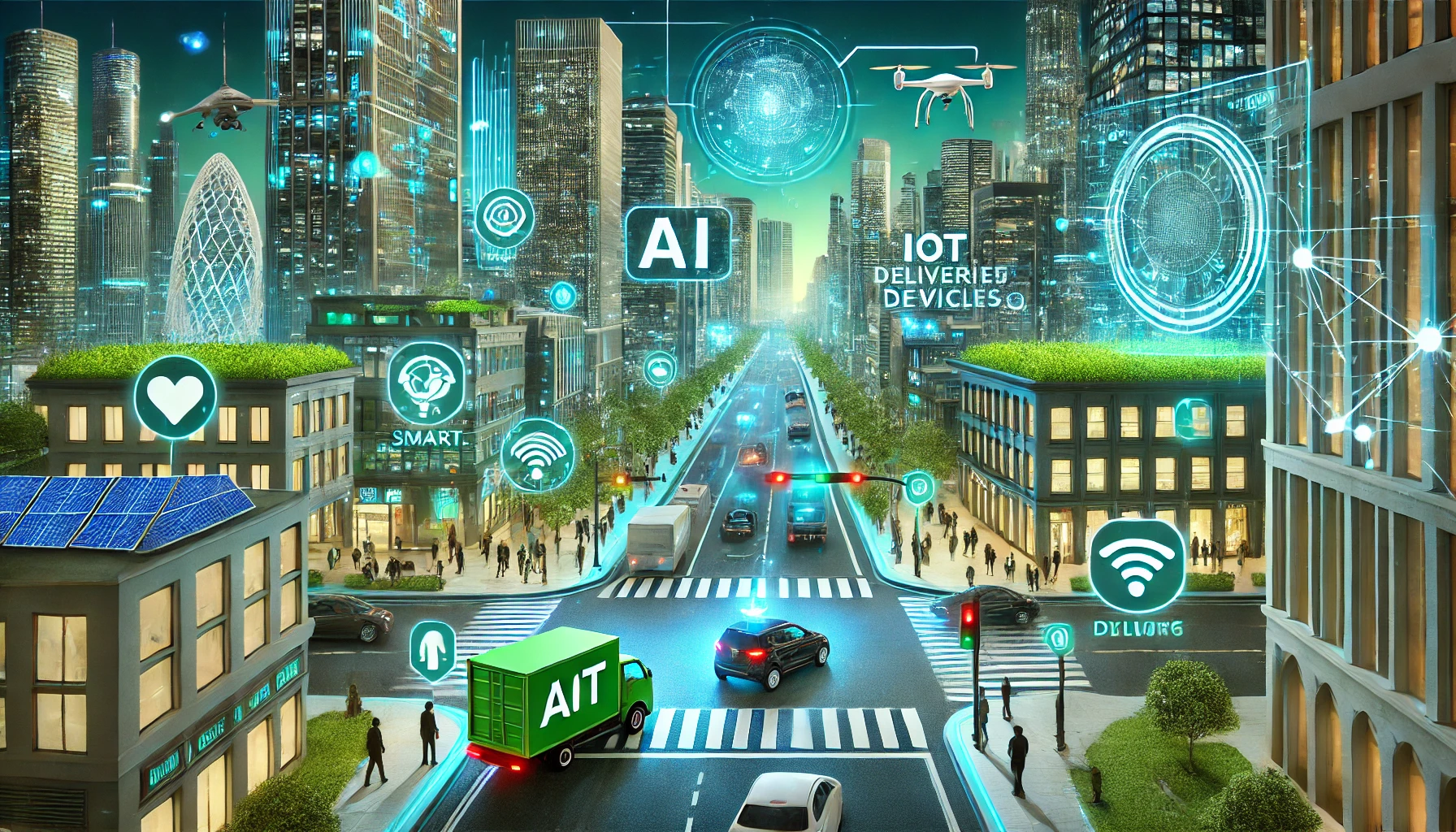
The future will likely see increased convergence between different technological domains. IoT devices will become more intelligent through embedded AI. Augmented and virtual reality will create new interfaces for human-computer interaction.
Coding tools will continue to become more accessible to non-technical users. Educational initiatives are making programming knowledge more widely available, potentially reducing barriers to participation in the digital economy.
International collaboration on open-source projects demonstrates how coding can transcend national boundaries. However, technological competition between nations may intensify, with coding capabilities becoming strategic national assets.
Conclusion
The imperative to code the future reflects the reality that programming has become the fundamental skill for participating in the modern economy. Those who master coding concepts position themselves to shape the world rather than merely respond to changes created by others.
Innovation through code requires not just technical skills but also creativity and understanding of human needs. Automation should augment human capabilities rather than simply replace workers. Technological dominance comes not from having the most advanced technology but from effectively applying coding to create value.
The future belongs to those who can combine technical coding skills with business acumen, ethical reasoning, and collaborative abilities. By embracing the challenge to innovate through code, automate intelligently, and build sustainable advantages, we can participate actively in shaping the digital future. The code we write today becomes the foundation for tomorrow's innovations, making every developer an architect of the future.
The views expressed in this article are those of the author and do not necessarily reflect the views of WriteFlow. WriteFlow does not endorse this content and does not guarantee its accuracy or completeness.
Comments (0)