The AI Boom in America: What It Means for Jobs, Life, and the Future

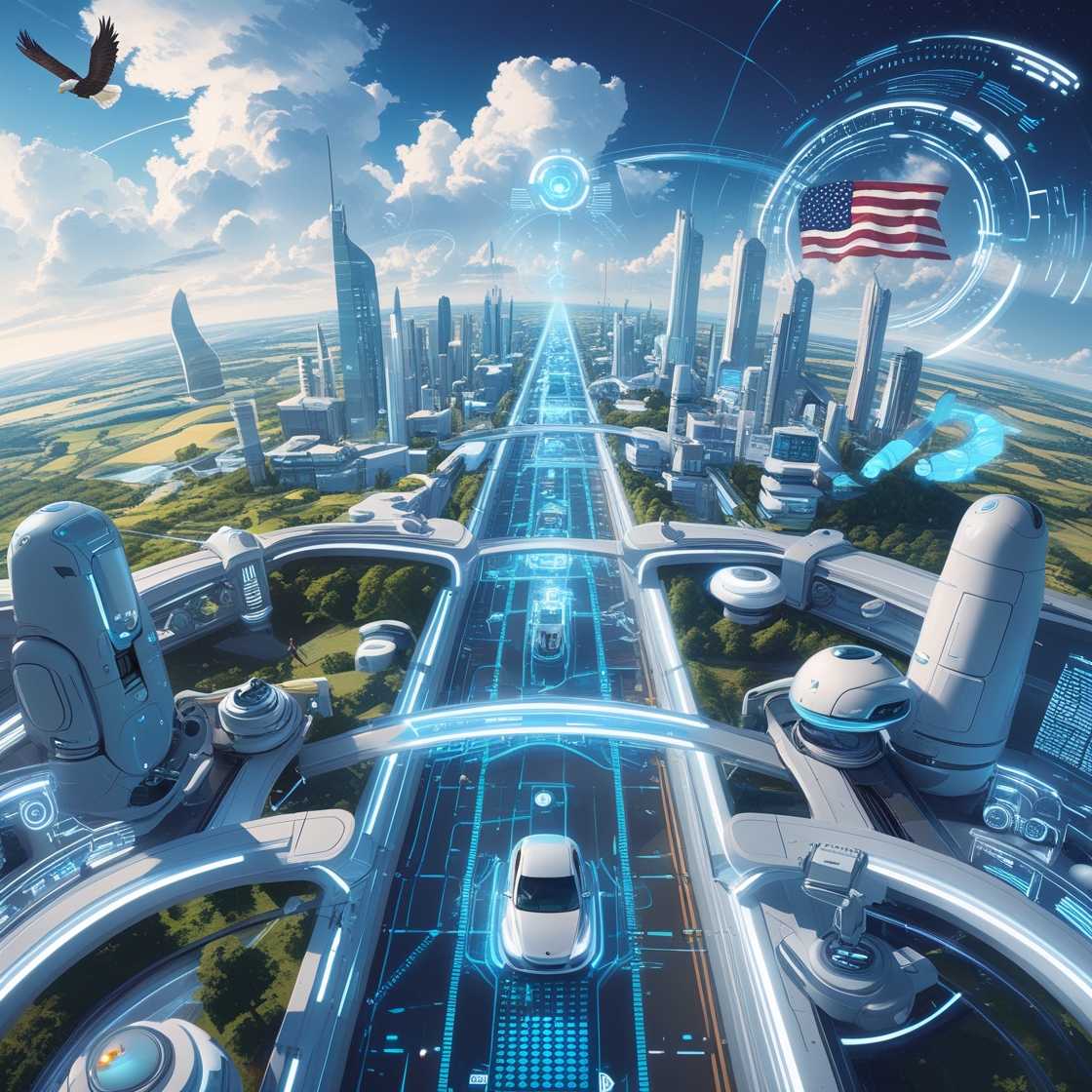
Introduction: America's AI Revolution
America stands at the forefront of what many are calling the fourth industrial revolution. Artificial intelligence, once confined to the realm of science fiction, has broken into our everyday reality with breathtaking speed. From self-driving vehicles navigating city streets to AI-powered assistants helping physicians diagnose diseases, the technology is transforming virtually every aspect of American life and business.
This AI boom represents more than just technological advancement. It signifies a fundamental shift in how we work, live, and interact with the world around us. As we witness this transformation unfold, Americans are asking important questions. What does this mean for my job? How will it change my daily life? And perhaps most importantly, what does our AI-powered future hold?
The Current State of AI in America
Investment and Growth
The numbers tell a compelling story of AI's explosive growth in America. Venture capital investment in AI startups exceeded $120 billion in 2024 alone. Major tech companies have committed over $200 billion to AI research and development through 2026. The AI sector is growing at approximately 38 percent annually, far outpacing the broader economy. Government funding for AI research has tripled since 2020, with bipartisan support for maintaining America's competitive edge.
Regional Innovation Hubs
While Silicon Valley remains the epicenter of AI development, innovation hubs have emerged across the country. The Bay Area, home to industry giants like Google, Meta, and OpenAI, continues to lead in fundamental AI research and applications. Boston-Cambridge, leveraging academic powerhouses like MIT and Harvard, specializes in AI for healthcare, biotech, and scientific discovery. Austin has emerged as Silicon Hills, with a focus on practical AI applications for business and consumer markets. Pittsburgh's Carnegie Mellon influence has created a thriving ecosystem focused on robotics and industrial AI. Seattle, as Microsoft's headquarters and Amazon's home, leads in cloud-based AI services and consumer AI. The Research Triangle in North Carolina specializes in AI applications for pharmaceutical research, medical diagnostics, and precision agriculture.
The Transformation of Work
Jobs at Risk
AI's impact on employment is perhaps the most discussed and feared aspect of the current boom. Research suggests that approximately 25 percent of American jobs could face significant disruption by 2030. The most vulnerable positions include data entry and processing roles, basic accounting and bookkeeping, customer service representatives, paralegals and legal assistants, retail cashiers and sales positions, transportation roles including truck driving, and basic content creation and editing.
However, history suggests that technological revolutions typically create more jobs than they eliminate, though not necessarily for the same people or in the same locations.
Jobs Being Created
The AI boom is already generating entirely new categories of employment. AI trainers and evaluators train AI systems and evaluate their outputs. Prompt engineers craft precise instructions for AI systems. AI ethics officers ensure AI systems operate fairly and ethically. Human-AI collaboration specialists optimize workflows involving both humans and AI. AI system auditors test AI systems for vulnerability and bias. Automation consultants help businesses implement AI solutions effectively. AI-human interface designers create intuitive ways for humans to interact with AI.
The Evolution of Existing Professions
Beyond creating and eliminating jobs, AI is fundamentally changing how existing professions operate. Healthcare professionals now work alongside AI diagnostic tools that can identify patterns in medical images invisible to the human eye, while nurses use AI to prioritize patient care and predict complications. Teachers and educators benefit from AI handling routine grading and administrative tasks, allowing them to focus on mentorship, creativity, and critical thinking—skills where humans maintain a distinct advantage. Lawyers leverage AI for document review and case research, enabling them to focus on strategy, negotiation, and courtroom advocacy. Financial advisors use AI for portfolio analysis and market monitoring, freeing them to focus on understanding client goals, psychology, and complex planning. Marketers find that data analysis and basic content creation are increasingly automated, while human marketers focus on strategy, emotional intelligence, and creative direction.
AI's Impact on Daily Life
Home and Family
AI has already infiltrated American homes in ways both obvious and subtle. Smart home systems anticipate needs and optimize energy use. AI-powered kitchen appliances suggest recipes based on available ingredients. Educational tools provide personalized learning experiences for children. Entertainment systems curate content based on mood and preferences. Health monitors detect potential issues before symptoms appear.
By 2030, experts predict that the average American household will interact with over fifty AI-powered devices daily, many operating invisibly in the background.
Healthcare Transformation
AI is revolutionizing healthcare through early disease detection via pattern recognition in medical images and data, personalized treatment plans based on individual genetic profiles, remote monitoring systems that alert providers to potential issues, drug discovery acceleration that reduces development time by years, and democratized expert knowledge in underserved areas. While concerns about data privacy and the human touch in medicine remain, AI's potential to improve outcomes and reduce costs has driven widespread adoption.
Transportation Revolution
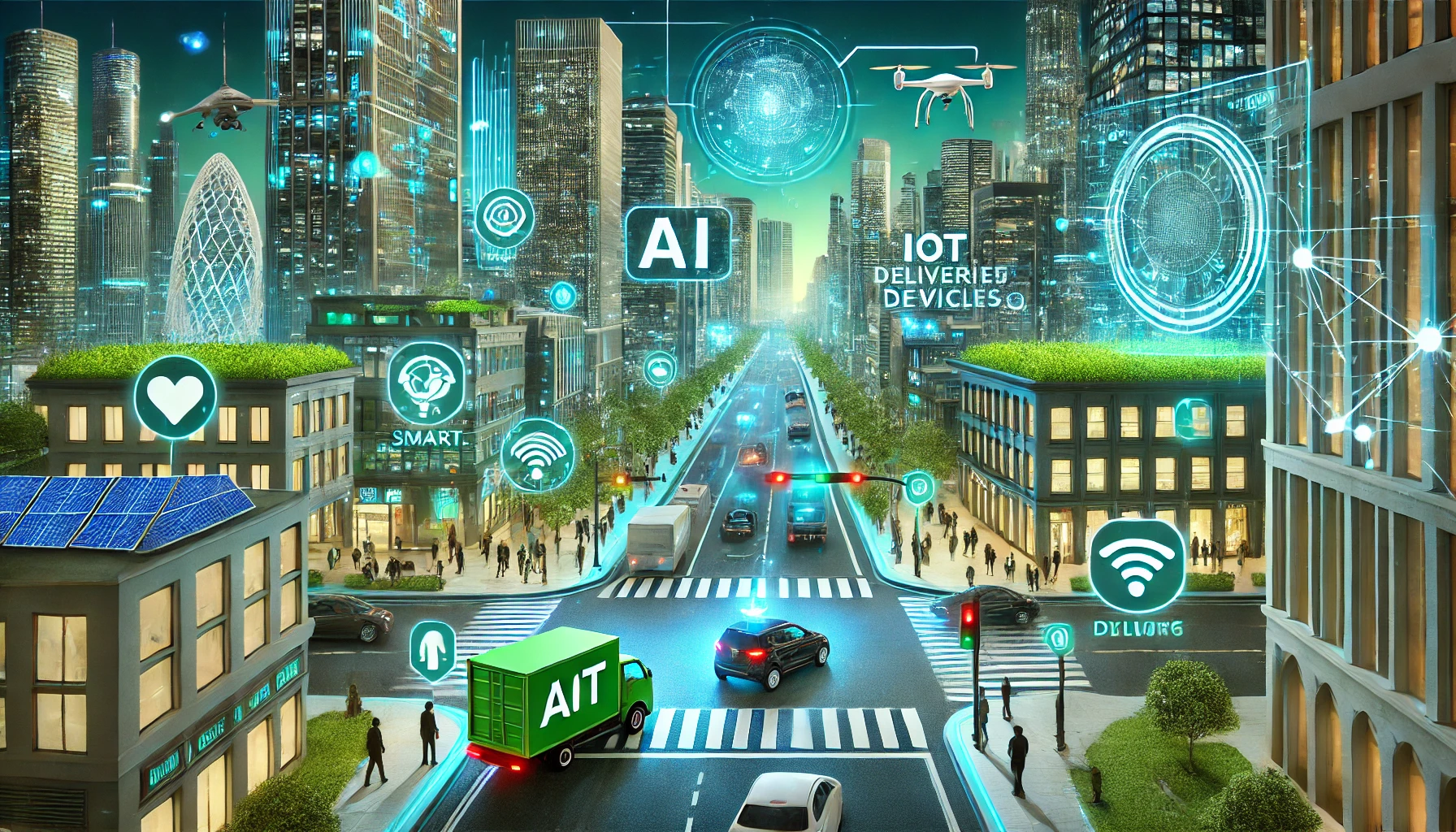
The American landscape, built around the automobile, is being reshaped by AI. Autonomous vehicles are beginning regular operation in multiple cities. Traffic management systems reduce congestion and emissions. Public transportation networks adjust in real time to demand. Delivery services operate with minimal human intervention. Urban planning evolves to accommodate new mobility patterns.
This transformation promises improved safety, increased accessibility for elderly and disabled Americans, and potentially dramatic changes to urban and suburban design.
The Challenges Ahead
Economic Disparities
As with previous technological revolutions, the AI boom threatens to widen economic divides. Workers without digital skills face increasing barriers to employment. Geographic disparities emerge between tech hubs and regions slower to adapt. Small businesses struggle to implement expensive AI solutions. Economic benefits have disproportionately flowed to those with capital and advanced education.
Addressing these disparities requires intentional policy choices, educational investments, and corporate responsibility.
Data Privacy and Security
The AI boom has intensified long-standing concerns about privacy and data security. AI systems typically require vast amounts of data, often personal in nature. Sophisticated AI enables more effective targeting and potential manipulation. Security vulnerabilities could lead to unprecedented privacy breaches. Questions persist about data ownership and appropriate use.
Recent legislation, including state-level privacy laws and proposed federal frameworks, attempts to address these concerns, though technology frequently outpaces regulatory efforts.
Ethical and Existential Questions
Beyond practical concerns, AI raises profound questions about algorithmic bias and fairness in high-stakes decisions, appropriate uses of facial recognition and surveillance, the potential development of artificial general intelligence, human identity and purpose in an age of automation, and democratic governance of increasingly powerful technology.
These questions have spawned new academic disciplines, corporate ethics boards, and public discourse about the kind of society we want to create.
Education and Skill Development
The education system is rapidly evolving to prepare Americans for an AI-dominated economy. Computer science education now begins in elementary school. There is increased emphasis on uniquely human skills like creativity, emotional intelligence, and ethical reasoning. Lifelong learning programs serve mid-career workers. Public-private partnerships target specific skill development. Alternative credentials beyond traditional degrees are gaining acceptance.
These changes represent the most significant shift in educational priorities since the industrial revolution.
Policy Considerations
Policymakers face difficult questions about support for workers displaced by automation, regulation of AI development and deployment, investment in research and infrastructure, international cooperation and competition, and tax and incentive structures in an automated economy.
The decisions made in the next few years will shape America's AI landscape for decades to come.
Personal Adaptation
For individual Americans, thriving in the AI era requires continuous learning and skill development, critical evaluation of AI tools and outputs, thoughtful boundaries around technology use, emphasis on distinctly human strengths, and engagement with the ethical and social questions AI raises.
Conclusion: Shaping Our AI Future
The AI boom in America represents both unprecedented opportunity and significant challenge. The technology itself is neither inherently good nor bad. Its impact will be determined by the choices we make as individuals, organizations, and as a society.
History suggests that technological revolutions ultimately improve human welfare, but the transition period can be difficult and unevenly distributed. By approaching AI with both enthusiasm for its possibilities and clear-eyed recognition of its risks, Americans can work to ensure that the benefits of this remarkable technology are broadly shared and its dangers minimized.
The coming decades will be defined not just by what AI can do, but by how we choose to use it—to address pressing challenges, to create new forms of value, and ultimately to enhance what makes us human. The AI revolution is here. How we shape it is up to us.
The views expressed in this article are those of the author and do not necessarily reflect the views of WriteFlow. WriteFlow does not endorse this content and does not guarantee its accuracy or completeness.

Comments (0)