The Evolution of Smart Cities: How AI and IoT Are Shaping Urban Life

Introduction
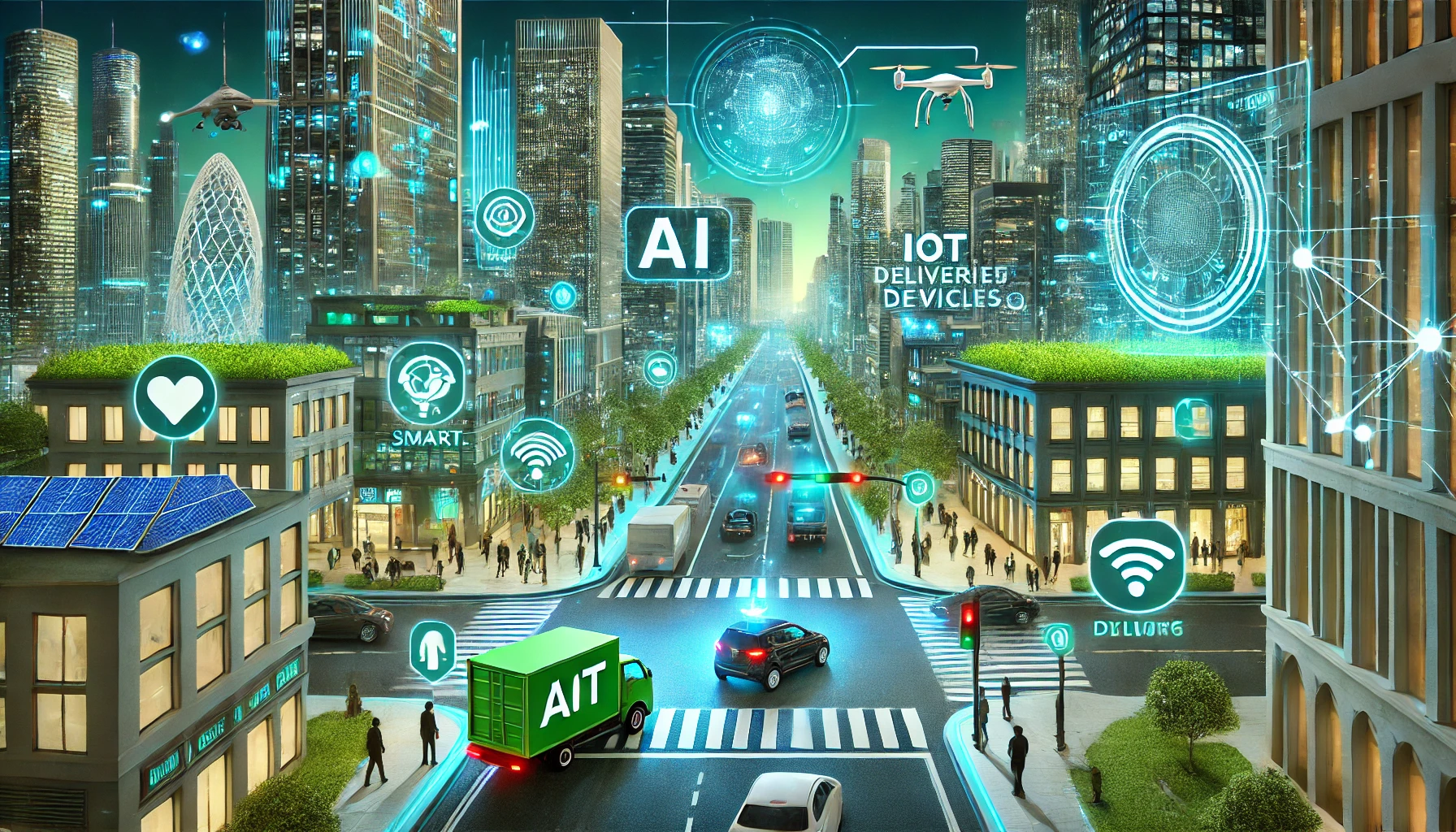
Urban environments are undergoing a profound transformation as artificial intelligence and the Internet of Things converge to create smarter, more responsive cities. This technological revolution is reshaping how we live, work, and interact with our urban surroundings in ways that were once the realm of science fiction.
The Foundation of Smart Cities
At their core, smart cities leverage interconnected technologies to collect and analyze data, enabling more efficient resource management and improved quality of life for residents. The backbone of this transformation consists of several key components.
IoT sensors and devices continuously monitor everything from traffic patterns and air quality to energy usage and waste management. Advanced AI algorithms process this vast data to identify patterns, predict needs, and automate responses. Cloud computing infrastructure stores and processes the enormous amounts of information generated. And 5G networks provide the connectivity needed for real-time data transmission.
Transforming Urban Infrastructure
This technological integration is revolutionizing fundamental aspects of urban infrastructure.
Transportation and Mobility
Smart traffic management systems are reducing congestion through adaptive traffic signals that respond to real-time conditions. Connected vehicles communicate with infrastructure to optimize routes, while mobility-as-a-service platforms integrate public transit, ride-sharing, and micro-mobility options like e-scooters into seamless transportation networks.
In cities like Singapore and Copenhagen, these systems have reduced travel times by up to twenty percent while decreasing emissions from idling vehicles.
Energy Management
Smart grids are transforming how cities generate, distribute, and consume energy. AI-powered systems predict demand patterns and automatically adjust distribution, while smart buildings regulate their energy consumption based on occupancy and weather conditions.
Barcelona's smart lighting system has achieved energy savings of thirty percent by dimming lights when streets are empty and brightening them when pedestrians approach.
Public Safety
Advanced surveillance systems with AI-powered analytics help identify potential safety issues before they escalate. Acoustic sensors can detect and locate gunshots, while predictive policing algorithms help law enforcement allocate resources more effectively.
Emergency response is also evolving, with AI helping to coordinate first responders during crises and smart infrastructure providing critical information during disasters.
Enhancing Quality of Life
Beyond infrastructure improvements, smart city technologies are directly enhancing residents' daily experiences.
Health and Wellness
IoT-enabled health monitoring systems track air quality, noise pollution, and other environmental factors affecting public health. During disease outbreaks, these systems can aid in contact tracing and monitor compliance with health protocols. Smart water management systems ensure water quality and detect leaks before they become major issues.
Citizen Engagement
Digital platforms now connect residents with city services and provide channels for participation in governance. Mobile applications allow citizens to report issues like potholes or graffiti, while AI-powered chatbots provide round-the-clock access to municipal information and services.
Several cities have implemented participatory budgeting platforms where residents can vote on how to allocate portions of the city budget to community projects.
Challenges and Considerations
The smart city revolution is not without its challenges.
Privacy and Security
The vast collection of data raises significant privacy concerns. Cities must balance technological capabilities with robust data protection policies and transparent practices regarding data collection and usage. Cybersecurity represents another critical challenge, as increasingly connected urban systems create potential vulnerabilities to attacks that could disrupt essential services.
Digital Equity
As cities become more technologically advanced, ensuring equitable access to these innovations becomes vital. The digital divide risks leaving vulnerable populations behind if smart city initiatives prioritize affluent neighborhoods or require expensive devices for participation.
Environmental Impact
While smart technologies can promote sustainability, the hardware supporting these systems has its own environmental footprint. The production, operation, and eventual disposal of sensors, servers, and network equipment require careful lifecycle management.
Looking Forward
The evolution of smart cities represents one of the most significant applications of AI and IoT technologies. Successful implementation requires thoughtful collaboration between government, industry, academia, and citizens to ensure these innovations truly serve the public good.
As we look to the future, the most promising smart city developments will likely integrate technological innovation with human-centered design principles, creating urban environments that are not just smart, but also sustainable, inclusive, and responsive to the diverse needs of all residents.
The true measure of a smart city's success will ultimately be how well it enhances the lived experience of its inhabitants while addressing the complex challenges of urbanization in the twenty-first century.
The views expressed in this article are those of the author and do not necessarily reflect the views of WriteFlow. WriteFlow does not endorse this content and does not guarantee its accuracy or completeness.


Comments (0)