Modern Society vs. Ancient Values: A Cultural Clash?


Introduction: The Eternal Tension
In the bustling landscape of 2025, where artificial intelligence assists our daily decisions and virtual reality blurs the lines between digital and physical existence, a profound question emerges. How do ancient values, developed thousands of years ago in vastly different societies, fit into our hyperconnected, rapidly evolving world? This tension between old and new creates not just theoretical debates among academics but practical dilemmas that shape our laws, relationships, and sense of purpose.
The clash between ancient wisdom and modern pragmatism is not simply about rejecting the past or blindly preserving tradition. Instead, it represents humanity's ongoing struggle to maintain continuity while adapting to unprecedented change. It is the search for balance between timeless principles and the novel challenges of contemporary life.
The Acceleration Gap
Perhaps no factor more profoundly separates our era from all previous human experience than the rate of change itself. Ancient societies operated on timescales where significant cultural shifts might occur over centuries or even millennia. A Roman citizen from 200 BCE would recognize much of Roman life in 200 CE, despite four centuries of development.
In stark contrast, a person transported from the year 2000 to 2025 would be astonished by transformations that have occurred in just twenty-five years. The omnipresence of smartphones and social media, the normalization of remote work, the emergence of artificial intelligence in everyday life, fundamental shifts in family structures and gender roles, and radical changes in how we consume entertainment and news would all seem almost unbelievable.
This acceleration gap creates natural friction with value systems developed in societies where constancy, not change, was the expected norm. Ancient wisdom often presupposes stability that no longer exists, while modern innovations frequently outpace our ethical frameworks for addressing them.
Where Ancient Values Still Resonate
Despite this tension, numerous ancient values continue to provide vital guidance in our modern context.
The Pursuit of Virtue
From Aristotle's examination of excellence to Confucian concepts of proper conduct, ancient philosophies centered on character development remain relevant. While modern society often focuses on external achievements, ancient wisdom reminds us that how we develop internally ultimately determines both personal fulfillment and societal health. Cultivating courage, temperance, wisdom, and justice matters profoundly. In an age of carefully curated social media personas, the ancient admonition to focus on genuine virtue rather than mere appearance speaks with renewed urgency.
Community Bonds
Ancient societies universally emphasized the importance of community over pure individualism. From indigenous tribal structures to classical city-states, human connections formed the foundation of resilient societies. Modern isolation, where many spend more time with screens than people, has contributed to what health experts call an epidemic of loneliness. Studies show declining participation in community organizations, religious institutions, and even casual neighborhood interaction. Here, ancient values that prioritize communal responsibility and interconnectedness offer a powerful corrective to contemporary atomization.
Reverence for Nature
Many ancient traditions maintained deep respect for natural systems, recognizing human dependence on ecological balance. Indigenous wisdom particularly emphasized sustainable relationships with the environment, developing practices that could be maintained across generations. As climate change and environmental degradation threaten global stability, these ancient perspectives on harmonious coexistence with nature take on existential importance. The modern notion of nature as merely a resource to exploit appears increasingly shortsighted against ancient understandings of humans as stewards within a larger natural order.
Where Modern Values Challenge Ancient Assumptions
While ancient wisdom offers vital perspective, several modern values represent genuine moral progress that challenges limitations in traditional systems.
Equality and Human Rights
Most ancient societies accepted rigid hierarchies, slavery, gender inequality, and other forms of systematic discrimination as natural features of human existence. The modern emphasis on fundamental human rights, regardless of social status, represents a profound ethical advancement. Contemporary movements for racial justice, gender equality, and LGBTQ+ rights continue expanding this moral circle beyond what most ancient societies could conceive. Though seeds of equality exist in many ancient traditions, their full flowering required centuries of moral development.
Scientific Understanding
Ancient values often developed within cosmological frameworks we now recognize as factually incorrect. From medical practices based on humors to social roles justified by flawed understanding of human biology, many traditional perspectives operated from limited empirical knowledge. Modern scientific methods have dramatically expanded our understanding of both the physical universe and human psychology. While science does not automatically answer values questions, it does provide essential factual context within which ethical decisions must operate.
Global Interconnection
Nearly all ancient value systems developed within relatively homogeneous cultural contexts with limited exposure to fundamentally different worldviews. Modern global interconnection has created unprecedented cultural mixing, challenging the universality of any single tradition's claims. This cosmopolitan reality means navigating diverse moral frameworks simultaneously, requiring skills of cultural translation and ethical dialogue unfamiliar to ancient societies primarily concerned with maintaining their particular traditions.
Case Studies: Ancient Values in Modern Contexts
Technology Ethics
Ancient Greco-Roman philosophy emphasized moderation and avoiding hubris, excessive pride leading to downfall. These concepts provide valuable frameworks for addressing modern technological questions. How does the ancient virtue of moderation inform our relationship with addictive social media platforms? What wisdom does Taoist emphasis on natural balance offer regarding genetic engineering and artificial intelligence? How might Confucian values of filial piety help navigate elder care in an age of automation?
When the Facebook whistleblower revealed that the company knowingly designed addictive products harmful to teen mental health, she essentially described a modern corporate version of hubris, sacrificing ethical restraint for profit and power. Ancient values provide vocabularies for recognizing these patterns.
Work-Life Balance
Ancient societies universally recognized rhythms of work and rest. From the Hebrew Sabbath to seasonal agricultural festivals, traditional cultures understood the importance of regular disengagement from productivity. Modern always-on work culture, where emails arrive around the clock and remote work blurs boundaries, increasingly produces burnout recognized as a clinical syndrome. Here, ancient wisdom about human limits and the necessity of rest challenges contemporary assumptions about constant availability.
Environmental Stewardship
Indigenous perspectives on environmental relationship, viewing humans as part of interconnected natural systems rather than their masters, offer profound alternatives to extractive economic models driving the climate crisis. As synthetic chemicals accumulate in environments worldwide and species disappear at unprecedented rates, ancient warnings about hubris and the moral status of non-human life gain renewed significance. Traditional ecological knowledge increasingly influences modern sustainability efforts, from forest management to agricultural practices.
Finding Synthesis: Beyond False Dichotomies
The most productive approach to navigating this cultural clash lies not in choosing between ancient and modern values but in thoughtful integration. This synthesis requires historical awareness that distinguishes between contextual applications and underlying principles in ancient traditions. It demands critical discernment about which modern developments represent genuine moral progress versus fleeting cultural trends. And it asks for philosophical humility recognizing that neither ancient nor modern perspectives hold complete wisdom.
Some emerging models for this integration include modern virtue ethics movements that adapt classical moral frameworks to contemporary challenges, mindfulness practices combining ancient contemplative traditions with modern neuroscience, environmental philosophies integrating indigenous wisdom with current ecological science, and tech ethics frameworks applying ancient concepts of moderation to digital environments.
Conclusion: The Dialogue Continues
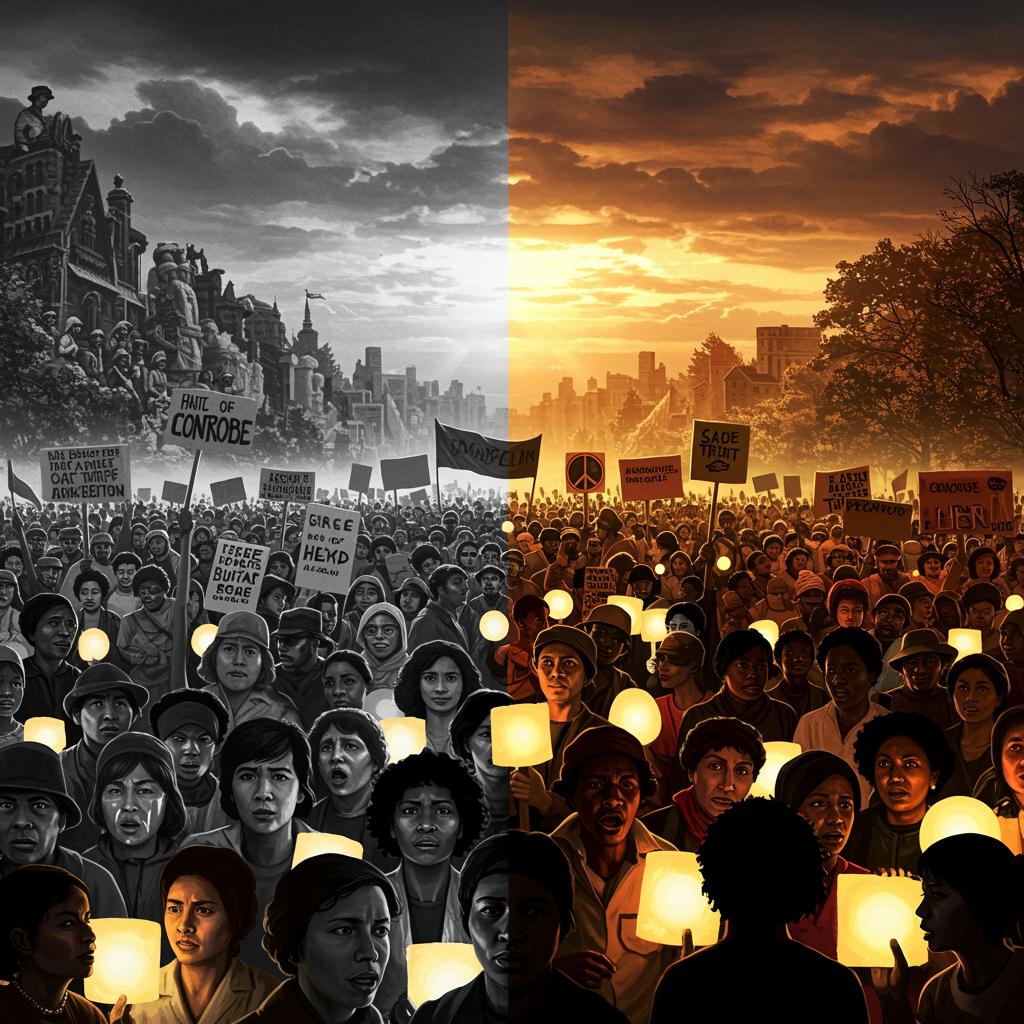
The tension between ancient values and modern realities is not simply an academic question but a lived experience for billions navigating rapid change while seeking meaning and moral guidance. Rather than seeing this as a zero-sum battle between tradition and progress, we might view it as an ongoing conversation across generations. Ancient wisdom provides essential context for modern innovations, while contemporary insights help separate timeless principles from outdated applications.
In this dialogue between ages, we find not just conflict but the potential for a richer moral vocabulary. One that honors human continuity while addressing unprecedented challenges with creativity and wisdom. The most vibrant cultures throughout history have neither rejected their past nor refused adaptation, but instead created dynamic synthesis between enduring values and emerging realities.
The question is not whether ancient values have a place in modern society, but how their integration might help us create a future both innovative and humane. A future grounded in timeless wisdom while responding to the unique moral challenges of our age.
The views expressed in this article are those of the author and do not necessarily reflect the views of WriteFlow. WriteFlow does not endorse this content and does not guarantee its accuracy or completeness.



Comments (0)