Beyond Borders: How Culture Connects Us All

Introduction
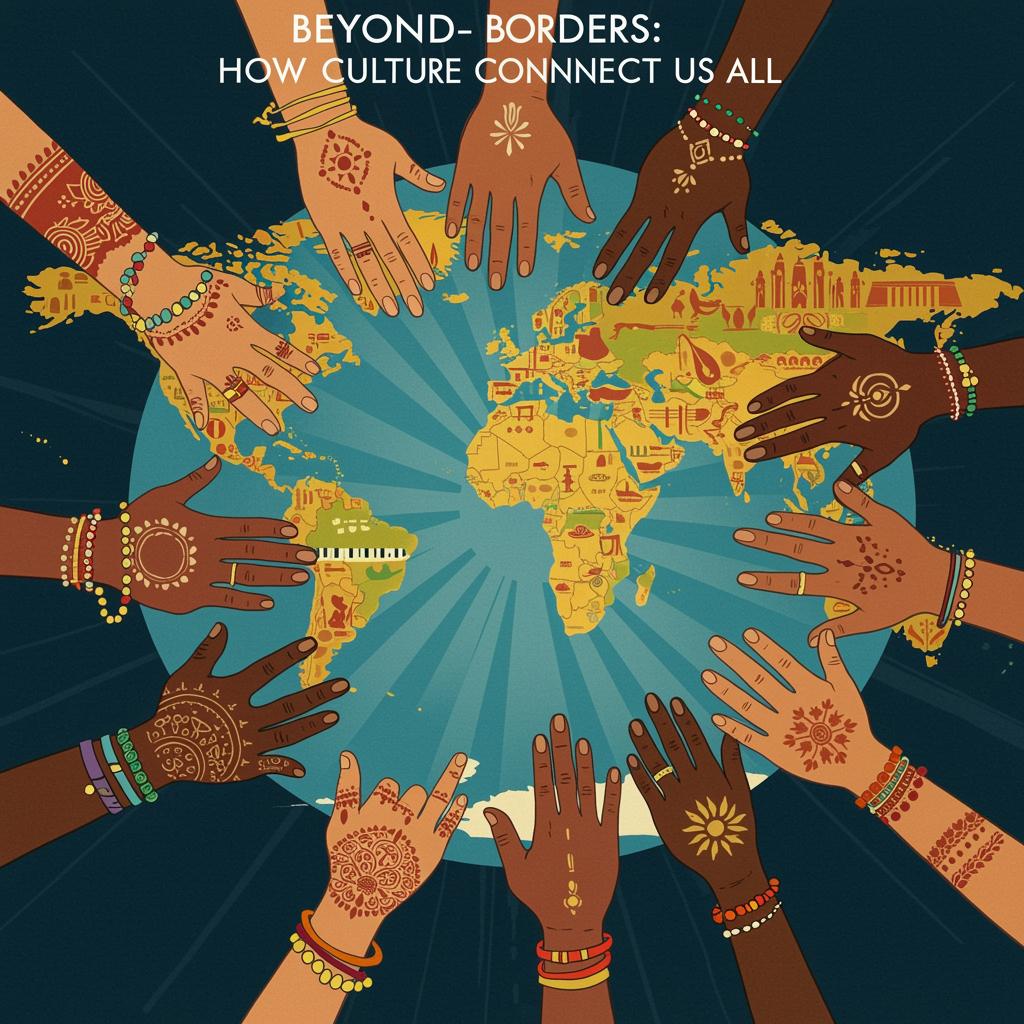
In today's interconnected world, culture serves as both our greatest differentiator and our strongest connector. The tapestry of human experience—woven from traditions, languages, arts, and shared values—creates bridges across geographical divides and historical differences. This exploration delves into how cultural exchange fosters understanding and unity in an increasingly globalized society.
The Universal Language of Cultural Expression
When we examine human societies across continents and centuries, certain patterns emerge. Music, storytelling, celebration, and communal gathering appear universally, though expressed through wonderfully diverse forms. These cultural constants remind us that beneath our differences lie fundamental similarities in how we process life's joys and challenges.
In South African philosophy, ubuntu expresses the idea that I am because we are, highlighting our inherent interconnectedness. This concept finds echoes in collectivist Asian societies, Indigenous American wisdom, and Mediterranean community values. Recognizing these philosophical parallels helps us identify our shared humanity.
Cultural Exchange Through History
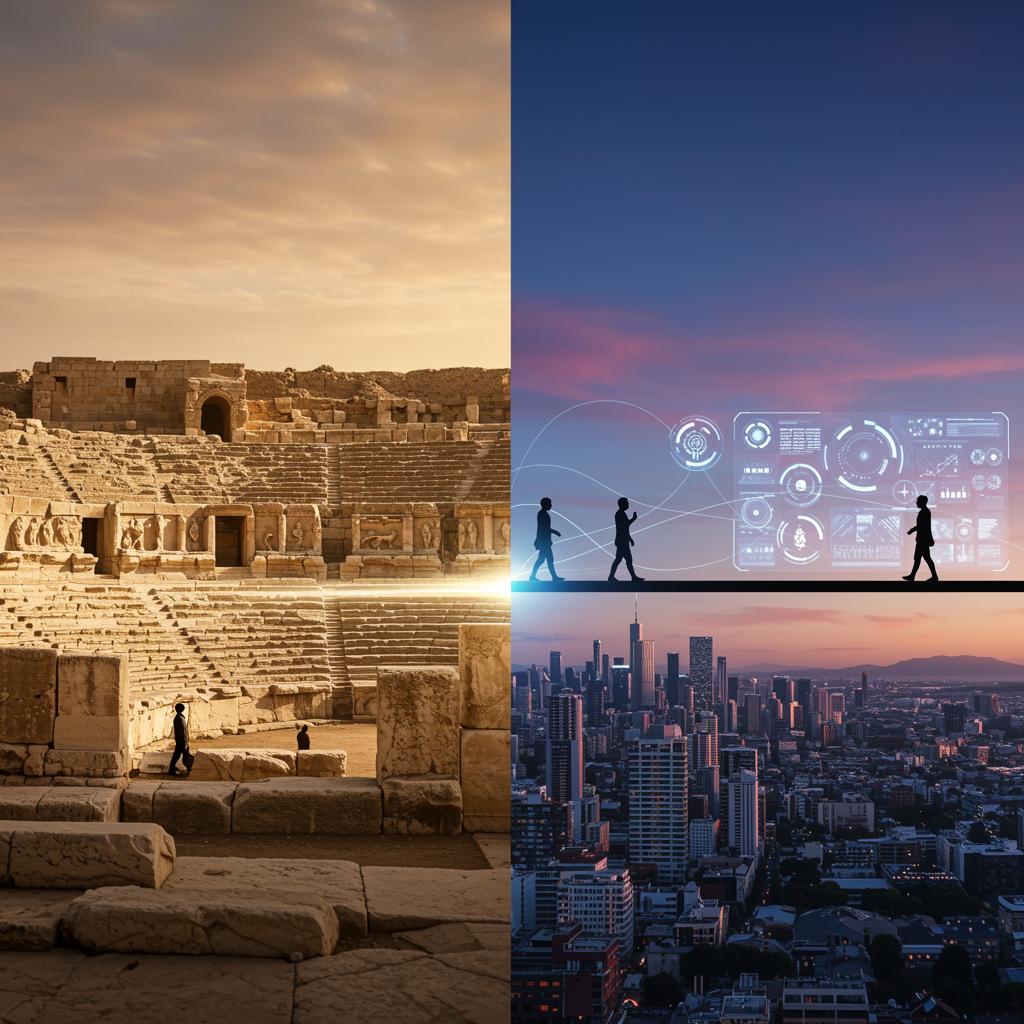
Cultural exchange is not a modern phenomenon. The ancient Silk Road connected East Asia to the Mediterranean, facilitating not just trade in goods but the exchange of ideas, technologies, and artistic influences. Islamic scholars preserved and expanded upon Greek knowledge during Europe's Middle Ages. Japanese art influenced European Impressionists. These historical exchanges demonstrate how cultures naturally enrich one another when allowed to interact freely.
Food: The Great Unifier
Perhaps no cultural element crosses borders more effectively than cuisine. The global popularity of Italian pasta, Chinese dumplings, Indian curries, and Mexican tacos speaks to food's unique power to introduce us to other cultures in an intimate, sensory way. When we embrace another culture's food, we metaphorically take in something of their essence, creating connection through shared experience.
The humble tomato, native to the Americas but now central to Italian, Middle Eastern, and many African cuisines, exemplifies how cultural elements adapt and transform as they travel, creating new traditions that honor both innovation and roots.
The Digital Age: Cultural Acceleration
Today's digital connectivity has accelerated cultural exchange exponentially. A teenager in Tokyo might follow fashion trends from Paris, listen to music from Nigeria, watch shows from South Korea, and learn cooking techniques from Brazil, all in a single afternoon. This unprecedented access creates new hybrid cultural identities that transcend national boundaries.
Social media platforms have democratized cultural sharing, allowing traditions once confined to specific regions to find global audiences. A folk musician in rural Mongolia can now reach listeners worldwide, preserving cultural heritage while finding new appreciation beyond traditional borders.
The Challenge of Preservation and Exchange
As cultures mix and influence one another, important questions arise about preservation versus evolution. How do we balance the celebration of unique cultural identities with the natural process of cultural change? The answer lies not in cultural isolation but in respectful exchange that acknowledges origins while embracing innovation.
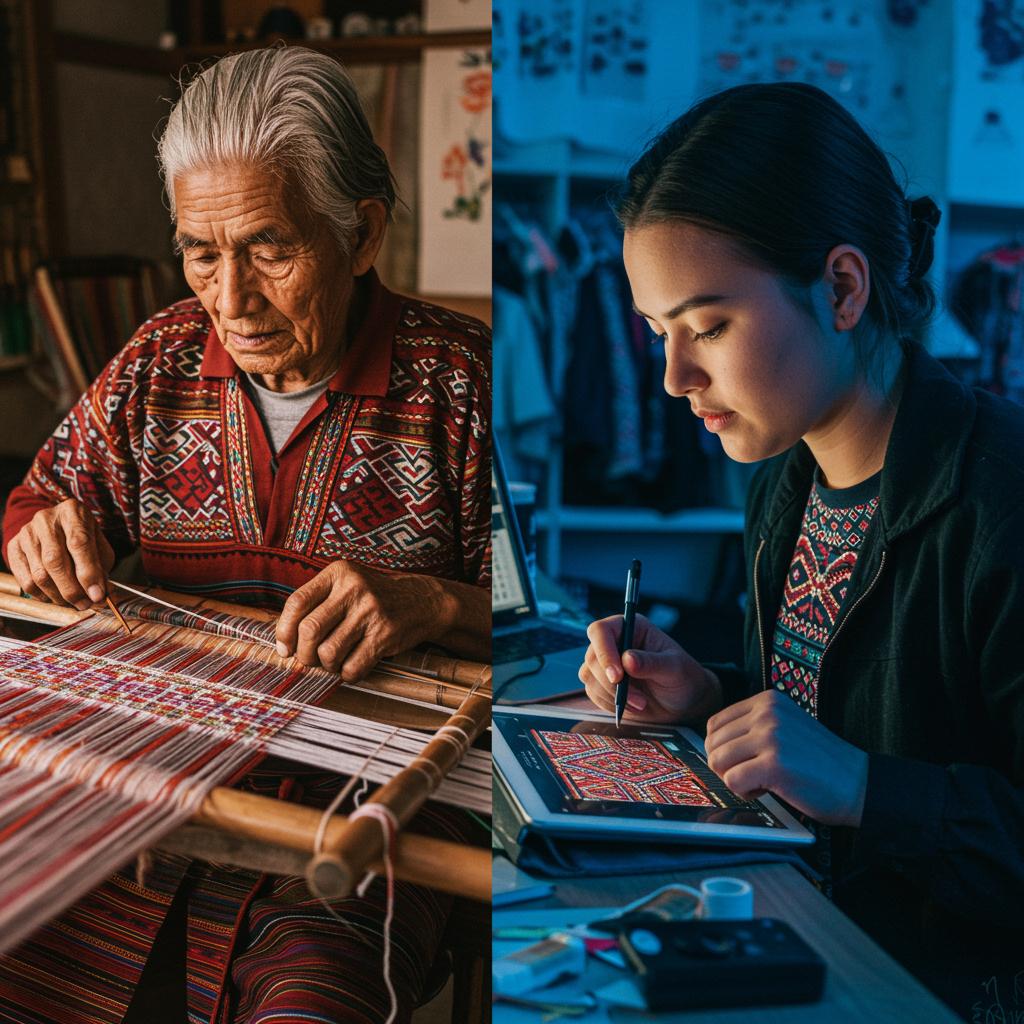
Indigenous communities worldwide demonstrate this balance. They maintain distinct traditions while participating in broader society and selectively incorporating outside influences. This approach offers a model for cultural sustainability: roots firmly planted while branches reach outward.
Building Cultural Bridges
Meaningful cultural exchange requires more than passive consumption of exotic foods or entertainment. True connection comes through genuine curiosity, respectful learning, and reciprocal sharing. When we approach cultural differences with humility and openness, we transform potentially divisive diversity into a source of collective strength.
Cross-cultural festivals, language exchange programs, and international arts initiatives create spaces for authentic interaction. These platforms allow us to move beyond stereotypes and superficial understanding toward genuine appreciation of cultural complexity.
The Path Forward: From Tolerance to Celebration
Our increasingly diverse societies present both challenges and opportunities. Moving beyond mere tolerance toward active celebration of cultural difference represents our highest potential as a global community. This journey requires us to examine our biases, learn continuously, and recognize that cultural exchange enriches rather than diminishes our individual identities.
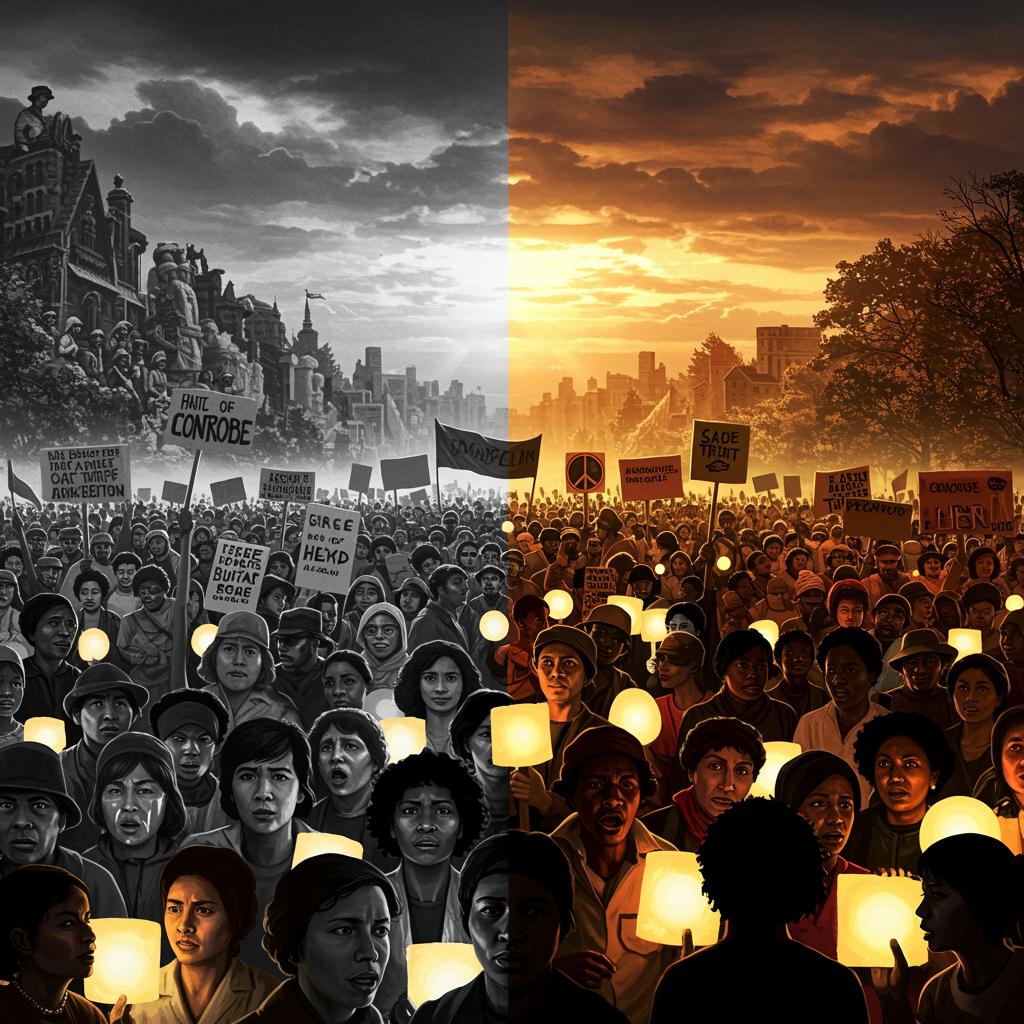
In embracing cultural connection across borders, we do not lose our distinctiveness. We gain perspective, resilience, and a more complete understanding of our shared humanity. Through culture, we discover that what connects us runs deeper than what divides us.
The views expressed in this article are those of the author and do not necessarily reflect the views of WriteFlow. WriteFlow does not endorse this content and does not guarantee its accuracy or completeness.

Comments (0)