Traditions Reimagined: Exploring Culture in the Modern Age

Introduction
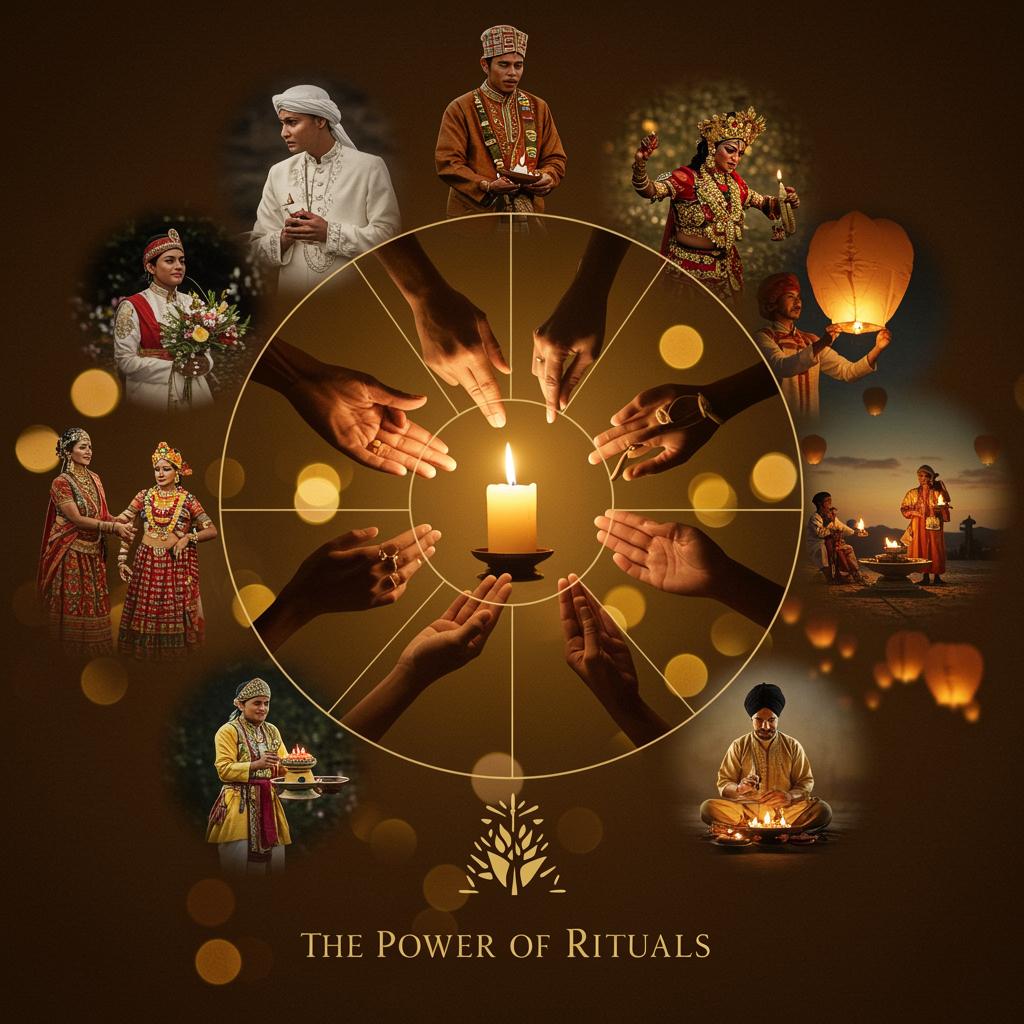
In the quiet neighborhood of Kyoto's Gion district, twenty-eight-year-old Yuki Tanaka performs a tea ceremony. Her movements are precise, deliberate, and steeped in centuries of tradition. But something is different. The guests observing her are thousands of miles away, watching through screens. And when the ceremony concludes, Yuki switches from her kimono to jeans and uploads edited highlights to her 2.3 million followers.
Welcome to the age where tradition does not just survive. It transforms.
The Preservation Paradox
Dr. Elena Vasquez, cultural anthropologist at the University of Barcelona, explains that to truly preserve something, you must allow it to change. This counterintuitive concept lies at the heart of how traditions navigate the modern world. While purists worry about dilution and disrespect, a new generation of cultural stewards argues that adaptation is not just inevitable but essential.
Consider the case of Peruvian chef Marco Gutierrez, whose restaurant Raíces has earned international acclaim by reimagining ancestral Incan cooking techniques with modern culinary science. He laughs that his grandmother would probably be horrified, but then again, what we think of as traditional Peruvian cuisine already incorporates influences from Spanish colonizers, Japanese immigrants, and countless others.
The tension between preservation and innovation creates what sociologists call cultural friction, the productive conflict that occurs when traditional practices encounter contemporary contexts. This friction does not necessarily wear traditions away. Often, it polishes them to a new brilliance.
Digital Archivists and Virtual Keepers
Technology, once feared as the enemy of tradition, has emerged as an unexpected ally. Indigenous communities in Australia use drones to document sacred sites inaccessible to elders with limited mobility. In Ghana, developers have created augmented reality experiences that overlay historical information onto physical locations, allowing visitors to see traditions unfold where they originated.
Tech ethnographer Jamal Wilson explains that what we are witnessing is not the digitization of culture but the culturalization of digital space. These are not just archives. They are living repositories where traditions can breathe and evolve.
The Smithsonian's Digital Cultural Heritage project exemplifies this approach. Rather than simply photographing artifacts, they work with community members to capture the stories, songs, and contexts that give objects meaning. Visitors can not only see a ceremonial mask from Bali but hear the music that would accompany its use and learn from practitioners about its significance.
The Authenticity Question
For every tradition reimagined, a question follows. Is it still authentic? This query haunts both innovators and traditionalists alike.
Dr. Sophia Chen, whose research focuses on cultural evolution, argues that authenticity is not a fixed point in time. The most authentic versions of traditions were themselves radical innovations once. The haka performed by New Zealand's All Blacks rugby team differs significantly from its historical forms, yet serves as a powerful expression of Māori identity precisely because it has remained relevant.
This perspective challenges the notion that cultural practices must remain frozen in amber to retain their value. Instead, authenticity might be better understood as fidelity to core principles rather than exact replication of forms.
Take the revival of traditional music among young Mongolian artists. Groups like The HU combine throat singing and ancient instruments with contemporary rock elements, reaching audiences who would never encounter these traditions otherwise. Their global success has, ironically, sparked renewed interest in traditional music within Mongolia itself.
Commercialization: Threat or Opportunity?
When traditions enter marketplaces, complex questions follow. Cultural appropriation concerns arise alongside opportunities for communities to benefit economically from their heritage.
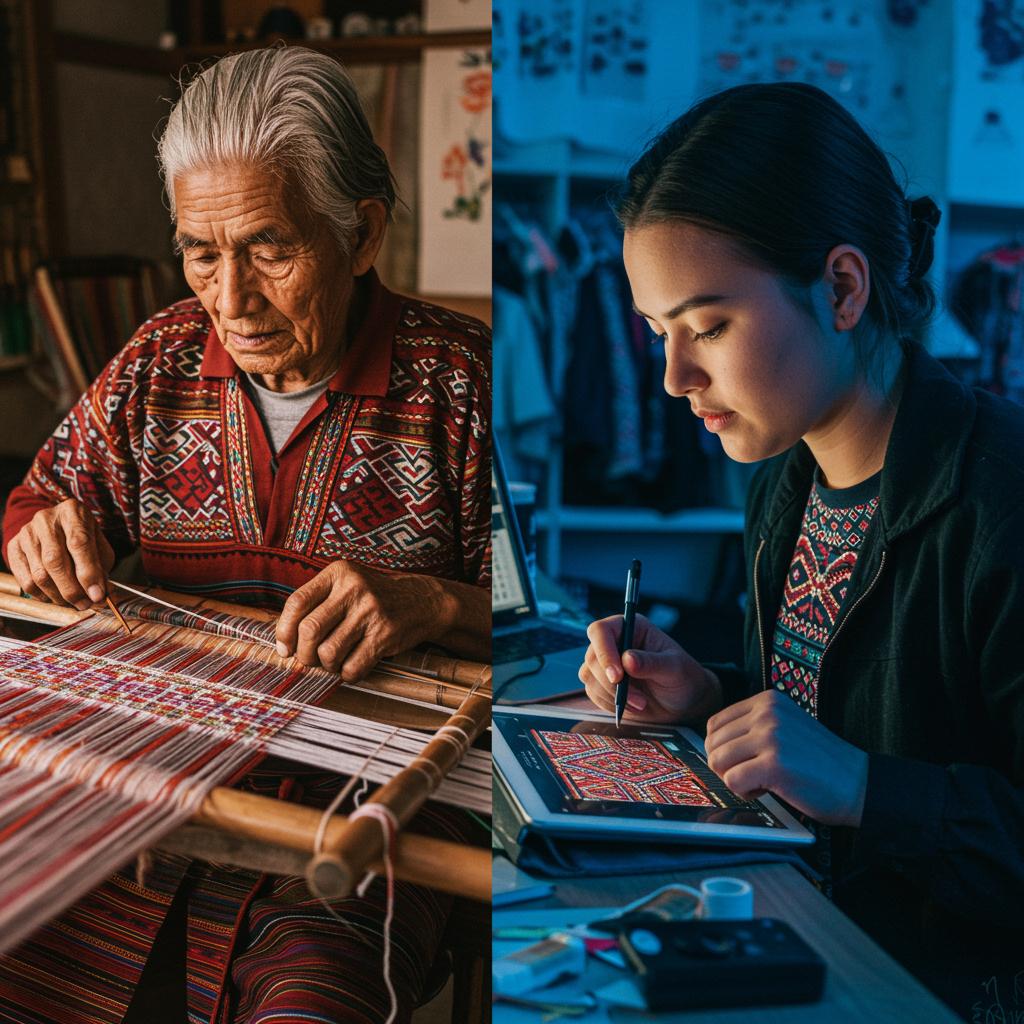
In Mexico's Oaxaca region, textile cooperatives navigate this delicate balance. Maria Gutierrez, who leads a women's weaving collective, says they do not want their designs stolen by fast fashion. But they also recognize that creating markets for their work allows younger generations to see economic value in continuing these traditions.
Some communities have developed innovative approaches to commercialization. The Sámi people of northern Scandinavia have established certification marks for authentic handicrafts, allowing consumers to distinguish between genuine cultural products and imitations. This approach preserves artistic integrity while creating sustainable livelihoods.
The Next Guardians
Perhaps the most profound reimagining of tradition involves who gets to be its keeper. Historically marginalized voices within cultures, including women, youth, and diaspora communities, are increasingly claiming authority to interpret and transform practices.
In India, female Sanskrit scholars are reclaiming religious texts long dominated by male interpretation. Dr. Lakshmi Patel of Delhi University explains that they are not changing the words, but they are asking different questions of them. The tradition becomes richer when multiple perspectives engage with it.
Similarly, diaspora communities often become unexpected champions of cultural practices that might be fading in their homelands. Korean Americans have preserved folk music traditions that became less prominent in South Korea during rapid modernization. Now, cultural exchanges between Korean Americans and South Koreans create new hybrid forms that honor historical practices while acknowledging contemporary realities.
The Innovation Imperative
While much discussion focuses on preserving traditions against change, another narrative emerges. Traditions must evolve or perish. History is littered with cultural practices that failed to adapt and subsequently disappeared.
Cultural historian Robert Thames notes that every living tradition contains mechanisms for innovation. The question is not whether traditions should change. They always have and always will. The question is whether these changes happen thoughtfully or haphazardly.
This perspective shifts the conversation from whether traditions should evolve to how they might evolve with integrity. Communities increasingly recognize that active stewardship means making conscious choices about adaptation rather than simply resisting all change.
Bridging Generational Divides
One of the most powerful narratives in cultural reimagining involves bridging generational divides. When twenty-three-year-old Navajo programmer Sarah Begay created an app teaching her native language through interactive games, her grandmother was initially skeptical. Now she shows it to everyone at the senior center. Begay laughs that her grandmother tells her this is how their language will survive.
These collaborations, elders with technological expertise and young people with traditional knowledge, create particularly vibrant reimaginings. They combine the innovation and energy of youth with the depth and wisdom of experience.
The Future of Tradition
As we look toward the horizon, several trends emerge in how traditions are being reimagined.
Hybridization means cultural practices increasingly borrow from and blend with other traditions, creating new forms that acknowledge multiple heritages. Technological integration makes AI-assisted language preservation and virtual reality cultural experiences inseparable from how traditions are maintained and shared. Ethical frameworks develop as communities create sophisticated approaches to questions of ownership, authenticity, and appropriate evolution. Global-local dynamics show that as practices spread globally, they often spark renewed local interest and pride.
The most successful reimaginings share a common feature. They maintain core values while allowing forms to evolve. When the essence of a tradition, its purpose, its spirit, its central teachings, remains intact, changes to its expression can actually strengthen rather than diminish its power.
Conclusion: The Tradition of Change
Perhaps the greatest irony in this exploration is the recognition that change itself is traditional. Throughout human history, cultural practices have evolved in response to new challenges, opportunities, and contexts. What appears unprecedented today, whether Instagram shamans, blockchain-protected cultural property rights, or AI-generated variations on traditional designs, follows ancient patterns of adaptation and renewal.
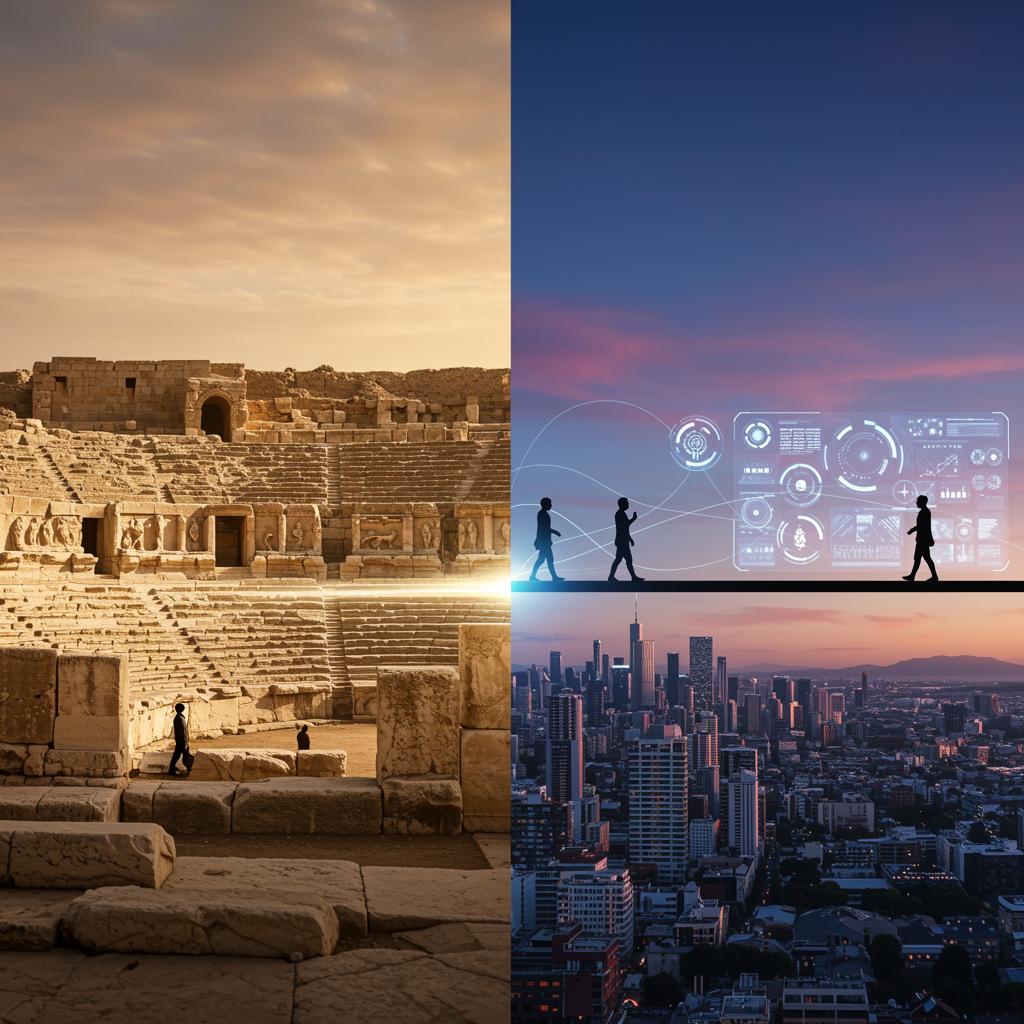
The true traditionalists may be those willing to reimagine tradition itself. Not as a static inheritance but as a dynamic conversation between past and present. In this view, traditions are not fragile artifacts requiring protection from change but resilient systems that incorporate change into their very fabric.
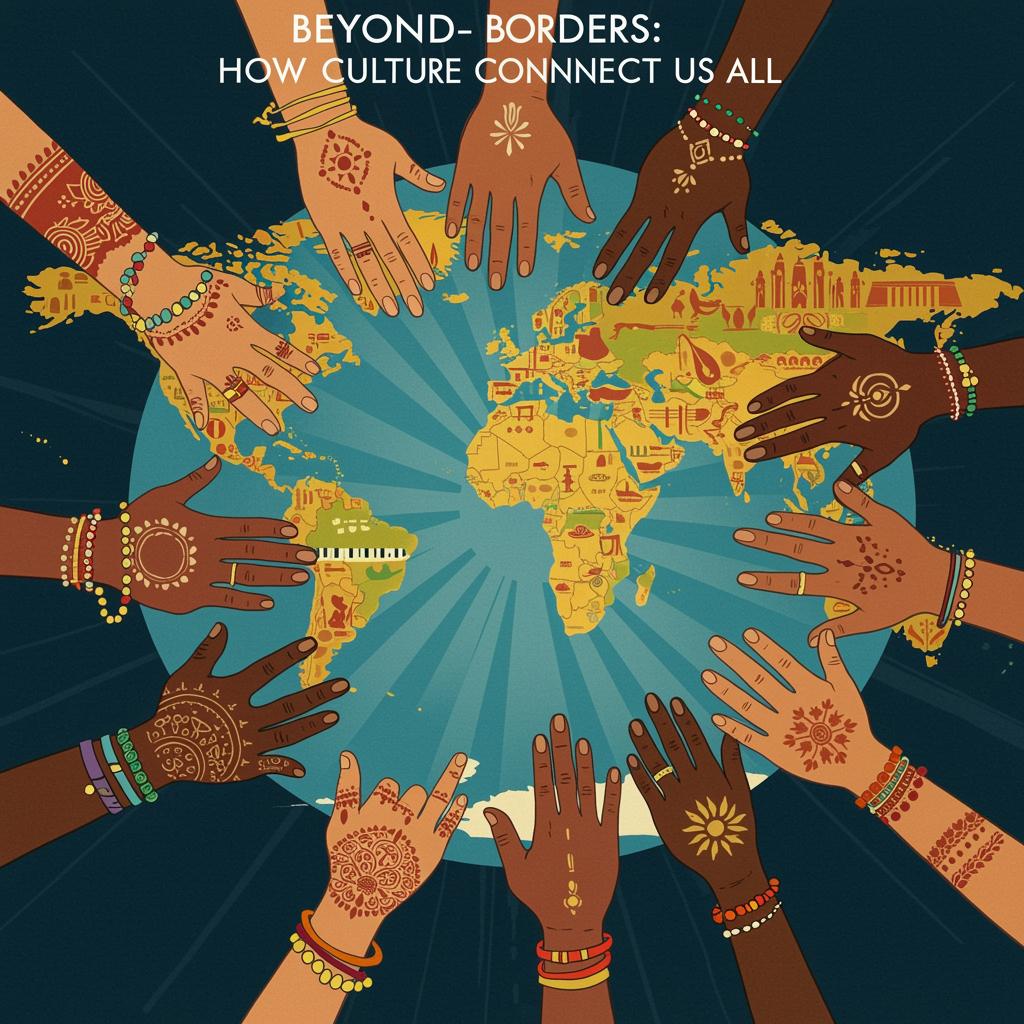
As Yuki Tanaka puts away her tea ceremony implements and checks the engagement metrics on her latest video, she embodies this paradox. She admits that her teacher's teacher would not recognize everything she does. But she believes they would recognize why she does it. To keep this practice meaningful for another generation. In that purpose, ancient and modern hands join across time, reimagining culture not as something we inherit but as something we continually create together.
The views expressed in this article are those of the author and do not necessarily reflect the views of WriteFlow. WriteFlow does not endorse this content and does not guarantee its accuracy or completeness.
Comments (0)