Healthy Pets, Happy Homes: Easy Routines for Pet Wellness

Introduction
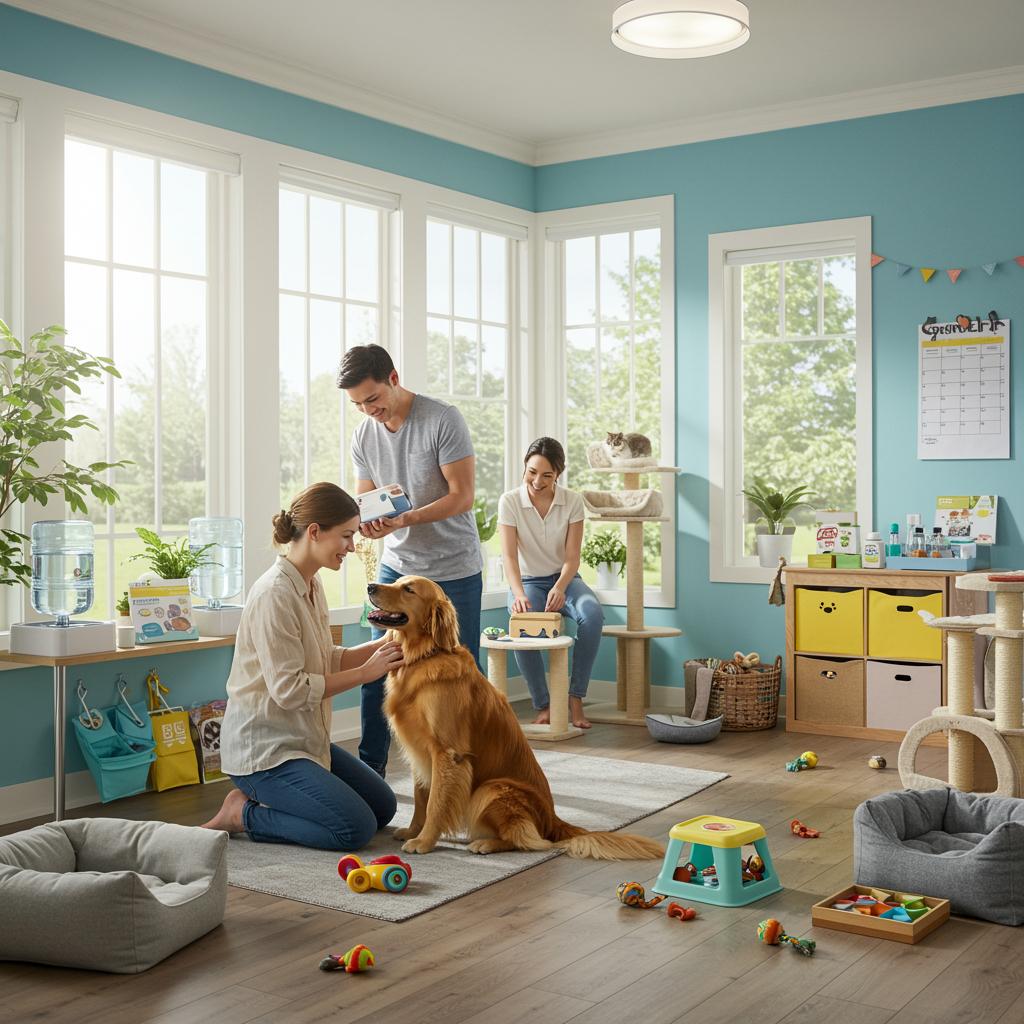
Creating a thriving environment for your pet does not require complicated regimens or expensive accessories. By establishing simple, consistent routines, you can significantly enhance your pet's physical health, emotional wellbeing, and overall quality of life. These practical approaches transform ordinary pet care into extraordinary wellness.
Morning Wellness Rituals
Start each day with a brief health scan during morning cuddles. Run your hands along your pet's body, feeling for any unusual lumps, tender spots, or changes in coat texture. Check ears for cleanliness, eyes for clarity, and briefly examine teeth and gums. This two-minute ritual helps detect potential health issues before they become serious problems.
Incorporate mental stimulation into breakfast time by using puzzle feeders or scatter feeding for dogs, or food puzzles for cats. These tools transform eating from a passive activity into an engaging challenge that satisfies natural foraging instincts while slowing consumption rates. This benefits both digestion and weight management.
Movement as Medicine
Exercise requirements vary dramatically between species and breeds, but all pets benefit from appropriate daily activity. For dogs, aim for at least thirty minutes of exercise that combines physical exertion with mental engagement. Alternate neighborhood walking routes, practice training skills during walks, or introduce scent games that tap into natural capabilities.
For indoor cats, schedule three to four five-minute play sessions daily that mimic hunting sequences—stalking, chasing, pouncing, and capturing toys. These brief, intense activities satisfy predatory instincts while preventing obesity. Even smaller pets benefit from safe exploration time outside their habitats under careful supervision.
Nutrition: Consistency and Quality
Establish regular feeding times that align with your household schedule. Consistent mealtimes regulate your pet's digestive system and help prevent anxiety-related behaviors. Measure portions accurately rather than estimating to prevent gradual weight gain, and adjust amounts seasonally as activity levels change.
When selecting pet food, prioritize options where meat proteins appear as primary ingredients rather than grain fillers. Consider rotating between two or three high-quality foods to provide nutritional variety while minimizing allergy development. For pets with specialized needs, consult your veterinarian about appropriate supplements like omega fatty acids for coat health or joint support formulas for aging animals.
Hydration Strategies
Many pets, particularly cats, do not drink adequate water. Enhance hydration by placing multiple water stations throughout your home, especially in areas your pet frequents. For reluctant drinkers, consider pet fountains—the moving water often entices increased consumption. For dogs, add a splash of low-sodium broth to water occasionally as encouragement.
For cats, incorporate moisture-rich wet food into their diet several times weekly. During summer months or for active dogs, create frozen treats by blending pet-safe fruits like blueberries or watermelon with water and freezing in silicone molds for refreshing hydration boosts.
Dental Health Simplified
Dental disease affects over eighty percent of adult pets, often leading to systemic health issues. Establish a gradual tooth-brushing routine using pet-specific toothpaste, never human formulations. Begin with brief touch sessions, gradually introducing the toothbrush over several weeks until your pet accepts thirty-second brushing sessions several times weekly.
Supplement brushing with dental chews scientifically proven to reduce tartar buildup, avoiding overly hard objects that can fracture teeth. For pets resistant to all brushing attempts, dental water additives provide a passive approach to oral health between professional cleanings.
Grooming as Bonding
Regular grooming prevents matting, reduces shedding, and provides valuable bonding time. Establish a weekly ritual using appropriate tools for your pet's coat type—slicker brushes for long-haired breeds, deshedding tools during seasonal coat changes, or soft curry brushes for short coats.
Make grooming positive by pairing it with treats and keeping sessions brief initially. Pay special attention to often-neglected areas like between paw pads and behind ears. Even hairless breeds benefit from weekly skin wipe-downs with pet-safe cloths to remove oils and environmental residue.
Environmental Enrichment
Pets need environmental stimulation to prevent boredom-related behavioral issues. Create an enrichment calendar that rotates different sensory experiences. One day might feature new scents, such as pet-safe herbs or spice samples on towels. Another day could introduce novel textures like crinkle paper or cooling mats. Others might focus on new exploration opportunities by rearranging pet furniture.
Window perches for cats, snuffle mats for dogs, and rearrangeable habitat accessories for small pets all provide crucial mental stimulation. Simply relocating food dishes, beds, or toys periodically prevents environmental stagnation that can lead to stress behaviors.
Stress Reduction Techniques
Animals thrive with predictable routines but also need appropriate stress management. Identify a calm zone in your home where your pet can retreat when overwhelmed. For dogs, this might be a covered crate with comfortable bedding. For cats, an elevated perch or enclosed bed provides security.
Recognize stress signals early. Excessive grooming, changed elimination habits, or destructive behaviors often indicate anxiety. Address these with appropriate outlets like increased exercise, interactive play, or in some cases, pheromone diffusers designed to create calming environments.
Preventative Healthcare Calendar
Create a simple annual healthcare calendar marking parasite prevention treatments, vaccination due dates, and recommended check-ups. Many preventable diseases can be avoided through consistent preventative care. Seasonal reminders help you adjust routines—applying paw protection during winter months, increasing tick checks during summer, or scheduling dental cleanings during less busy seasons.
Include weight checks at home monthly, recording results to track subtle changes that might otherwise go unnoticed between veterinary visits. This simple monitoring helps prevent obesity, the most common nutritional disorder affecting pets.
Bedtime Rituals for Quality Rest
Establish calming evening routines that signal sleep time. A brief bathroom break followed by a gentle massage or brushing session helps active pets transition to rest mode. Providing appropriate sleeping surfaces—orthopedic beds for seniors, cooling mats for thick-coated breeds, or heated beds for smaller pets—ensures quality sleep essential for physical and emotional health.
Conclusion
Consistency transforms these simple wellness practices into powerful health promoters. By incorporating these accessible routines into daily life, you create an environment where both pets and their people thrive. The result is healthy pets in genuinely happy homes.
The views expressed in this article are those of the author and do not necessarily reflect the views of WriteFlow. WriteFlow does not endorse this content and does not guarantee its accuracy or completeness.



Comments (0)