10 Life-Changing Pet Care Tips Every Animal Lover Should Know

Introduction
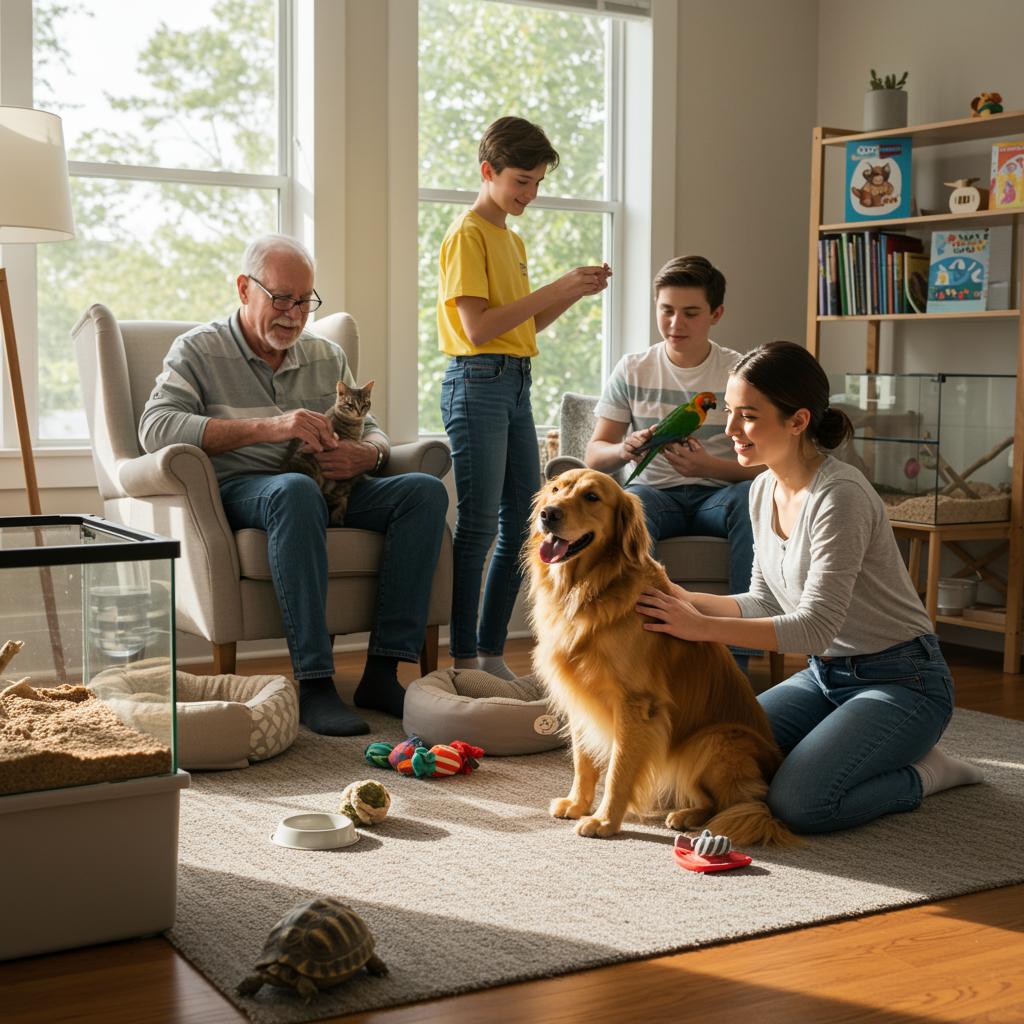
Welcoming a pet into your home brings immeasurable joy, but it also comes with significant responsibilities. Whether you are a first-time pet parent or a seasoned animal lover, these ten game-changing tips will help you provide the best care for your furry, feathered, or scaly friends.
Prioritize Preventative Healthcare
Regular veterinary check-ups are the cornerstone of pet wellness. Do not wait until your pet is sick to visit the vet. Annual exams can catch potential health issues before they become serious problems. Keep vaccinations current, maintain parasite prevention, and consider pet insurance to help manage unexpected medical costs.
Master the Art of Nutrition
Just like humans, pets thrive when properly nourished. Research appropriate diets for your specific pet's species, breed, age, and health conditions. Measure portions carefully to prevent obesity, which can lead to numerous health problems. Fresh water should always be available, and treats should make up no more than ten percent of their daily caloric intake.
Embrace Mental Stimulation
Physical exercise is important, but mental stimulation is equally crucial. Puzzle toys, training sessions, and interactive games prevent boredom and associated behavioral problems. Rotate toys regularly to maintain interest, and spend quality time engaging your pet's mind every day.
Create a Safe Environment
Pet-proofing your home is essential for safety. Remove toxic plants, secure dangerous chemicals, block small spaces where pets could become trapped, and eliminate choking hazards. For outdoor areas, ensure fencing is secure and that your pet has protection from extreme temperatures.
Establish a Grooming Routine
Regular grooming does more than keep your pet looking good. It is vital for their health. Brushing removes loose fur and distributes natural oils. Nail trims prevent painful overgrowth. Dental care prevents disease. Regular baths, appropriate to your pet's species, help maintain healthy skin and coat.
Invest in Quality Training
Well-trained pets are happier and safer. Positive reinforcement techniques build confidence and strengthen your bond. Even older pets can learn new behaviors with patience and consistency. Consider professional training classes for extra support and socialization opportunities.
Recognize Body Language
Animals communicate primarily through body language. Learning to interpret your pet's signals helps you respond appropriately to their needs and avoid stress or conflict. Watch for subtle cues that indicate fear, anxiety, happiness, or discomfort.
Plan for Emergencies
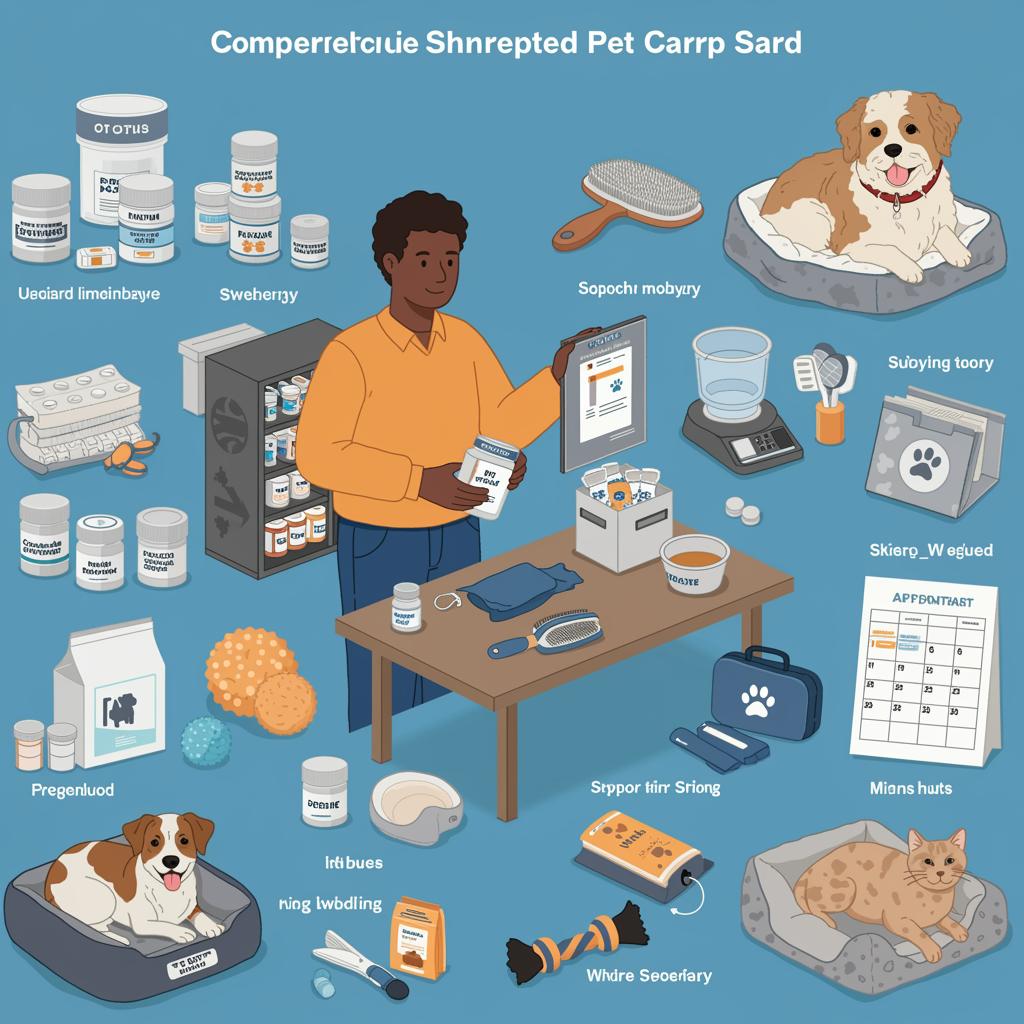
Create a pet emergency plan before you need it. Keep your veterinarian's contact information readily available. Know the location of the nearest emergency clinic. Assemble a pet first-aid kit. Consider learning basic pet first aid skills that could save your companion's life.
Make Time for Play
Regular playtime strengthens your bond, provides exercise, and improves your pet's quality of life. Different pets enjoy different types of play. Find what your pet loves and make it part of your daily routine. Even just fifteen minutes of focused play can make a significant difference.
Practice Mindful Aging Care
As pets age, their needs change. Adjust diet, exercise routines, and living arrangements to accommodate senior pets. More frequent veterinary visits may be necessary, and you might need to modify your home to help with mobility issues. These thoughtful adjustments can significantly improve their golden years.
Conclusion
Remember, being a responsible pet owner means committing to the entire lifespan of your animal companion. By implementing these life-changing tips, you will not only enhance your pet's wellbeing but also deepen the special bond you share.
The views expressed in this article are those of the author and do not necessarily reflect the views of WriteFlow. WriteFlow does not endorse this content and does not guarantee its accuracy or completeness.


Comments (0)