The Pet Parent's Handbook: Caring Like a Pro

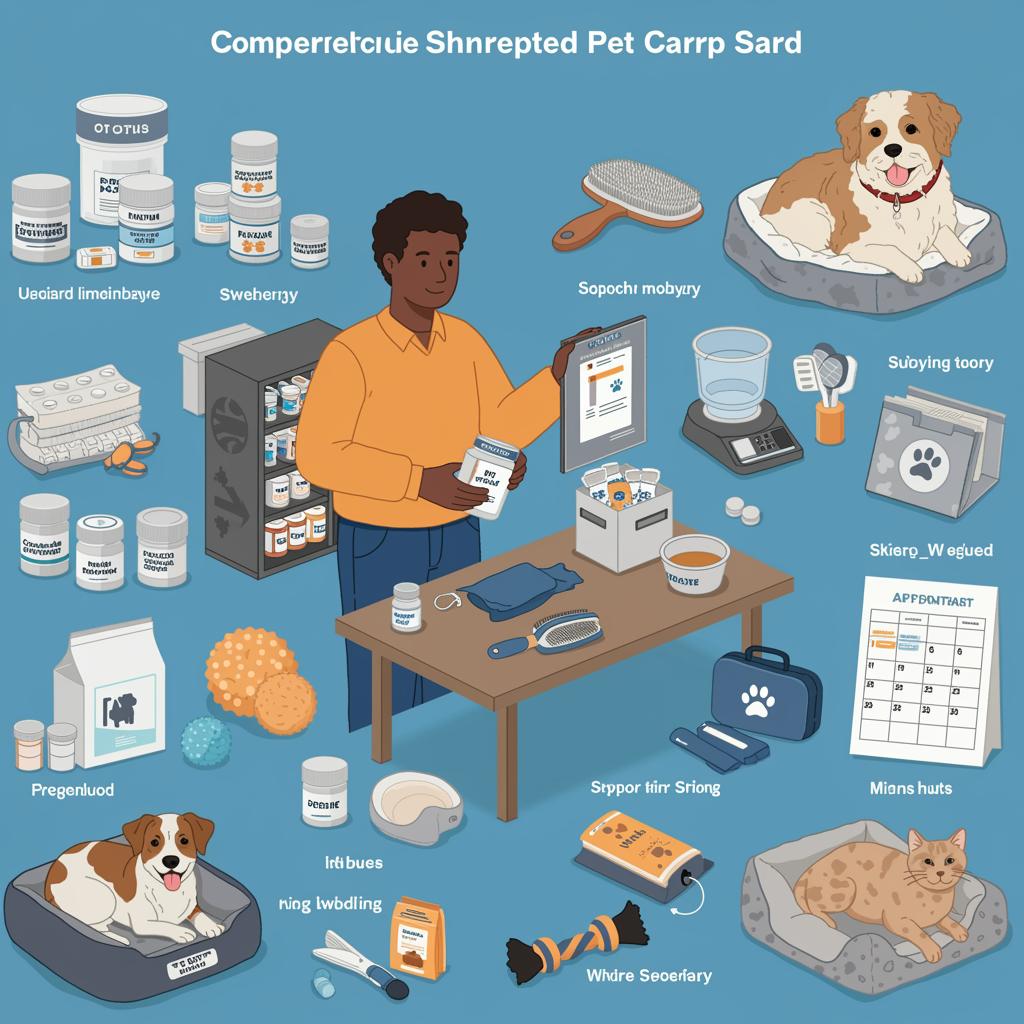
Becoming a pet parent is one of life's most rewarding journeys, but it also comes with significant responsibilities. This comprehensive guide will help you navigate pet parenthood with confidence, providing expert-level care that ensures your companion thrives physically and emotionally.
Preparation: Setting the Stage for Success:
Before bringing your pet home, create an environment designed for their safety and comfort. Research the specific needs of your chosen species and breed. Secure potentially dangerous items, install appropriate barriers, and acquire essential supplies. Designate specific areas for feeding, elimination, and sleep. This thoughtful preparation demonstrates your commitment to responsible pet parenthood from day one.
Nutrition: The Foundation of Wellbeing:
Providing optimal nutrition requires understanding your pet's specific dietary needs. Consult your veterinarian about appropriate food choices based on species, age, size, and health conditions. Learn to read pet food labels, identifying quality ingredients versus fillers. Establish consistent feeding schedules and portion control to prevent obesity. Remember that nutritional needs evolve throughout your pet's life stages, requiring periodic reassessment.
Preventative Healthcare: Beyond the Basics:
Professional pet parents understand that preventative care extends beyond annual vaccinations. Establish a relationship with a trusted veterinarian for regular wellness exams. Maintain parasite prevention appropriate for your region. Consider pet insurance to manage unexpected medical expenses. Learn to perform basic health checks at home—examining ears, teeth, coat condition, and weight. Early detection of health changes can prevent minor issues from becoming serious problems.
Exercise: Physical and Mental Stimulation:
Different pets require different types and amounts of exercise. Research activity needs specific to your pet's breed, age, and health status. Create an exercise routine that incorporates both physical activity and mental stimulation. For dogs, this might include daily walks plus puzzle toys. For cats, interactive play sessions that simulate hunting behaviors plus climbing opportunities. Even smaller pets benefit from appropriate enrichment that encourages natural behaviors.
Training: Communication and Boundaries:
Effective training establishes clear communication and appropriate boundaries. Research positive reinforcement techniques specific to your pet's species. Be consistent with commands and expectations. Address behavioral issues promptly and compassionately. Remember that training is ongoing throughout your pet's life, not just during puppyhood or kittenhood. Professional pet parents recognize that well-trained pets are happier, safer, and better integrated into family life.
Socialization: Creating a Well-Adjusted Companion:
Proper socialization helps prevent fear and aggression. During critical developmental periods, carefully expose your pet to various people, animals, environments, and experiences. Create positive associations through treats, praise, and play. Monitor body language to ensure interactions remain stress-free. Even adult pets benefit from ongoing socialization opportunities tailored to their comfort level and personality.
Grooming: More Than Aesthetics:
Regular grooming maintains physical health while strengthening your bond. Establish species-appropriate routines for coat care, nail trimming, dental hygiene, and ear cleaning. Introduce grooming practices gradually, creating positive associations. Learn to recognize when professional grooming assistance is needed. These consistent self-care rituals allow you to monitor subtle physical changes while providing quality one-on-one attention.
Creating Environmental Enrichment:
Professional pet parents understand the importance of environmental stimulation. Create a living space that accommodates natural behaviors—climbing for cats, digging opportunities for certain dog breeds, appropriate chewing materials for rodents. Rotate toys to maintain interest. Consider sensory enrichment through varying textures, sounds, and scents. This thoughtful environmental design prevents boredom-related behavioral problems.
Recognizing and Managing Stress:
Even well-cared-for pets experience stress. Learn to identify your pet's unique stress signals—changes in body language, appetite, elimination habits, or activity levels. Create calming spaces where your pet can retreat when overwhelmed. Research species-appropriate calming techniques, from pheromone diffusers to pressure wraps to background music. Anticipating potentially stressful situations allows you to implement preventative measures.
The Evolution of Care: Adapting to Life Stages:
Professional pet parents understand that care requirements evolve throughout a pet's lifespan. Puppies and kittens need frequent feeding, socialization, and training. Adult pets require maintenance of established routines. Senior pets benefit from accommodations for changing mobility, specialized nutrition, and more frequent health monitoring. This life-stage awareness ensures appropriate care at every age.
Emergency Preparedness: Planning Ahead:
Responsible pet parents prepare for emergencies before they occur. Create a pet first aid kit and learn basic first aid techniques. Keep emergency veterinary contact information readily available. Research after-hours care options in your area. Consider microchipping and updated identification. For disaster preparedness, develop an evacuation plan that includes your pets and their essential supplies.
By approaching pet parenthood with this professional mindset, you'll provide exceptional care that nurtures your companion's physical health, emotional wellbeing, and behavioral development. This comprehensive approach creates a foundation for a harmonious, joy-filled relationship that benefits both you and your beloved pet.
The views expressed in this article are those of the author and do not necessarily reflect the views of WriteFlow. WriteFlow does not endorse this content and does not guarantee its accuracy or completeness.


Comments (0)