Paws & Love: The Ultimate Guide to Happy, Healthy Pets


Creating a Lifetime of Joy and Wellness for Your Furry Family Members
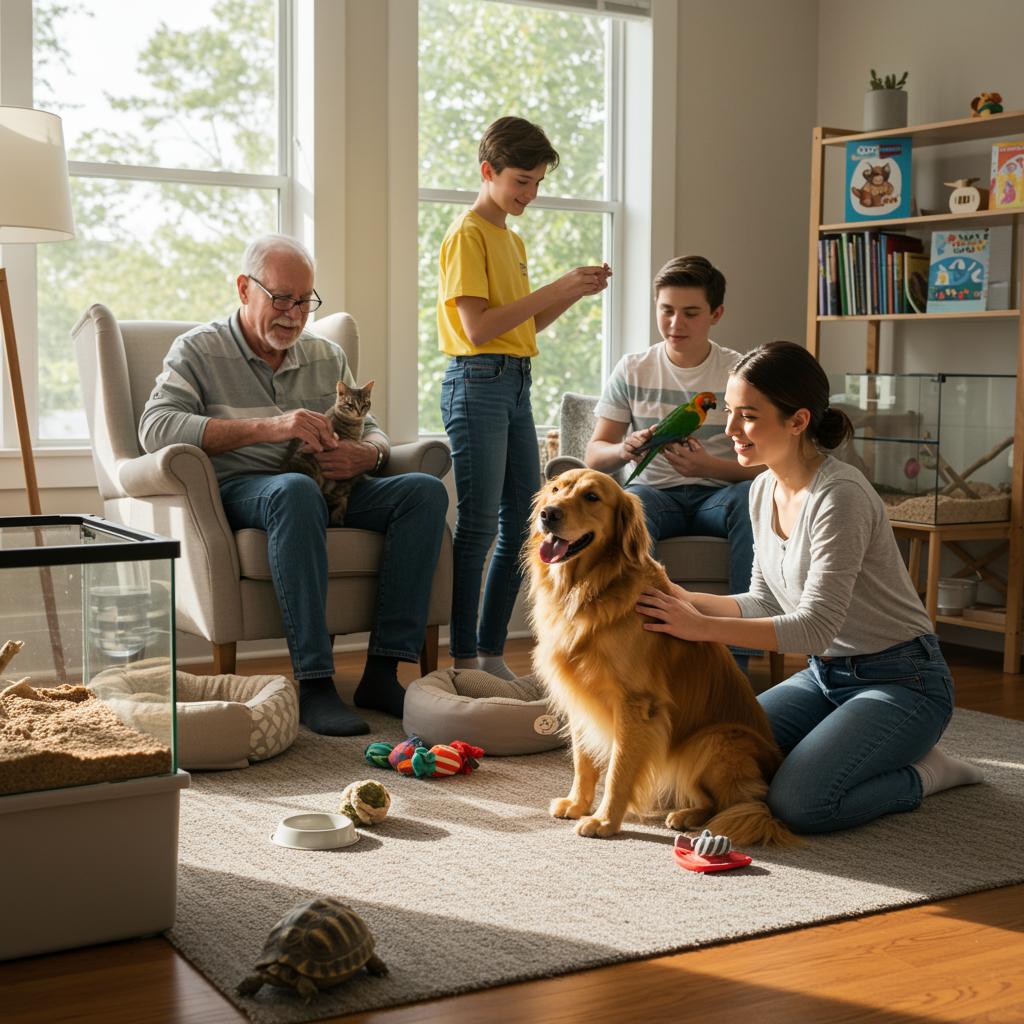
When you welcome a pet into your home, you are not just gaining a companion. You are embracing a relationship that will transform your life in countless ways. Whether you are a seasoned pet parent or considering adoption for the first time, understanding the fundamentals of pet care is essential for nurturing a bond that will flourish for years to come.
Understanding Your Pet's Unique Needs
Every pet has individual requirements based on their species, breed, age, and personality. The cornerstone of exceptional pet care is recognizing these unique needs.
Dogs thrive on routine, regular exercise, social interaction, and mental stimulation. From the high-energy Border Collie to the laid-back Basset Hound, tailoring your approach to your dog's specific temperament creates the foundation for their wellbeing.
Cats value security, enrichment, and respect for their independence. While they may seem self-sufficient, cats require consistent attention to their health, environment, and emotional state.
Small mammals, birds, and reptiles each have specialized care requirements that must be thoroughly researched and understood before bringing them home.
Nutrition: The Foundation of Health
What your pet eats directly impacts every aspect of their health—from coat condition to energy levels, longevity, and disease prevention.
Dr. Mariah Chen, a veterinary nutritionist, explains: "Proper nutrition is the single most important factor in preventative healthcare. Yet it is where many pet owners unknowingly make critical mistakes."
When planning your pet's diet, choose high-quality food appropriate for their species, age, size, and activity level. Understand proper portion control to prevent obesity, which affects nearly sixty percent of pets. Recognize that treats should constitute no more than ten percent of daily caloric intake. Ensure fresh water is always available, and consult your veterinarian before making any significant dietary changes.
Physical and Mental Exercise: Vital for Wellbeing
Regular physical activity prevents obesity, strengthens the bond between you and your pet, and prevents destructive behaviors that often stem from boredom and excess energy.
For dogs, daily walks, play sessions, and training activities provide crucial exercise. Cats benefit from interactive toys, climbing opportunities, and play that simulates hunting behaviors. Even small pets need appropriate ways to stay active within their habitats.
Mental stimulation is equally important. Puzzle feeders, training sessions, and rotating toys keep your pet's mind sharp and engaged, preventing cognitive decline as they age.
Preventative Healthcare: Beyond the Annual Visit
Proactive healthcare extends your pet's life and enhances its quality. Schedule regular veterinary check-ups, annually for younger pets and semi-annually for seniors. Stay current with vaccinations and parasite prevention. Maintain dental hygiene through regular brushing and professional cleanings.
Learn to recognize early signs of illness, including changes in appetite or water consumption, energy levels, bathroom habits, weight, and behavior. Early intervention often means simpler, less expensive treatment and better outcomes.
Creating a Pet-Safe Environment
Your home should be a sanctuary where your pet can thrive safely. Secure toxic substances, including certain houseplants, foods, medications, and cleaning products. Pet-proof electrical cords, small objects, and potential escape routes. Provide appropriate temperature control and shelter. Create spaces where your pet can retreat when stressed. Consider safety measures specific to your pet's species and behaviors.
The Emotional Connection: Building Trust and Understanding
The human-animal bond is built on communication, consistency, and compassion. Learn to read your pet's body language and behavioral cues. Establish consistent routines and clear boundaries. Use positive reinforcement training methods. Respect your pet's individual personality and preferences. Make time for one-on-one bonding daily.
Animal behaviorist Dr. James Morgan explains: "The relationship with your pet is reciprocal. The care you provide returns to you manifold in emotional support, stress reduction, and unconditional love."
Special Considerations for Different Life Stages
Puppies and kittens require special attention during their early months. Focus on socialization during critical developmental windows. Establish positive associations with handling, grooming, and veterinary care. Begin training with basic commands and appropriate behaviors. Schedule more frequent health check-ups and vaccination series.
For adult pets, maintain consistent exercise and mental stimulation. Watch for subtle health changes as metabolism slows. Consider specialized nutrition for activity level and breed-specific needs. Establish dental care routines before issues develop.
Senior pets need increased veterinary visits, ideally twice yearly. Adapt their environment for comfort with orthopedic beds, ramps, and other accommodations. Adjust exercise to match changing abilities. Monitor for age-related conditions like arthritis, vision or hearing loss, and cognitive changes.
When to Seek Professional Help
While many aspects of pet care can be handled at home, certain situations warrant professional attention. Behavioral changes, including aggression, excessive vocalization, or new fears should never be ignored. Training challenges that affect quality of life need expert guidance. Health concerns, even subtle changes in normal patterns, require veterinary evaluation. Grief support may be necessary when facing end-of-life decisions.
The Rewards of Responsible Pet Parenting
The effort invested in understanding and meeting your pet's needs yields immeasurable returns. Beyond the joy of daily interactions, research confirms that the human-animal bond offers significant health benefits for people. These include reduced stress, lower blood pressure, increased physical activity, and enhanced emotional wellbeing.
Veterinarian Dr. Sofia Williams notes: "When we care for our pets with knowledge and compassion, we create not just healthier, happier animals, but more fulfilling lives for ourselves."
Conclusion
By embracing the principles outlined in this guide, you are taking the first steps toward a relationship that will enrich both your life and your pet's for years to come. The journey of pet parenting is one of continuous learning, patience, and love. Every moment invested in understanding your furry family member deepens a bond that truly lasts a lifetime.
This article was prepared by pet wellness experts. For personalized advice regarding your pet's specific needs, please consult with your veterinarian or a certified animal behaviorist.
The views expressed in this article are those of the author and do not necessarily reflect the views of WriteFlow. WriteFlow does not endorse this content and does not guarantee its accuracy or completeness.


Comments (0)