Adopt, Don't Shop: Heartwarming Stories of Rescued Pets

Introduction
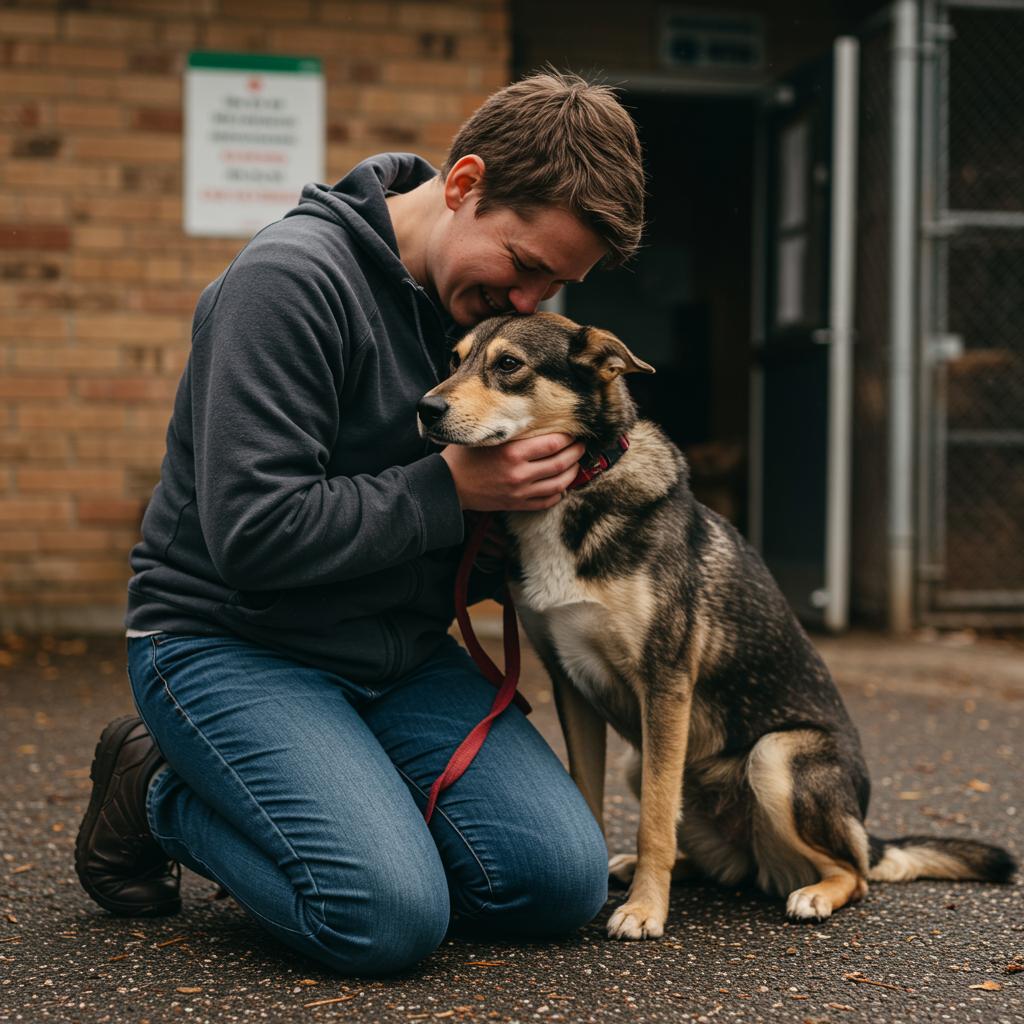
Every shelter pet has a story. Some begin with abandonment, neglect, or misfortune, but through the transformative power of adoption, these stories evolve into tales of second chances, unconditional love, and profound companionship. Behind the statistics—approximately 6.5 million companion animals entering U.S. shelters annually—are individual journeys of resilience and hope that remind us why adoption changes lives, both human and animal.
From Death Row to Service Star: Luna's Journey
When Animal Control officers found Luna, a mixed-breed dog with piercing amber eyes, she was huddled in an abandoned building, severely malnourished and showing signs of abuse. Given just seventy-two hours on the shelter's euthanasia list due to overcrowding, Luna's prospects looked bleak.
Something about her eyes would not let me walk away, recalls Michael Sanderson, a veteran struggling with PTSD who visited the shelter that fateful day. She was terrified, but there was this dignity and intelligence about her.
Against the advice of shelter staff who warned him about Luna's fearfulness, Michael signed the adoption papers. The first few weeks were challenging. Luna would hide beneath furniture and flinch at sudden movements. But Michael recognized the parallel between her trauma and his own.
We healed each other, Michael explains. I had to establish routines for her, which created structure in my own chaotic life. And she needed patience and consistency, which taught me those same skills.
Today, three years later, Luna is a certified service dog who helps Michael navigate crowded spaces and grounds him during anxiety attacks. More remarkably, Luna visits the same shelter where she once awaited euthanasia, now as part of a therapy dog program for children learning to read.
When kids who struggle with reading practice by reading to Luna, they do not feel judged, says Michael. And seeing Luna's transformation teaches them that their own stories are not defined by their beginnings either.
Senior Love: Henry and Mr. Whiskers
At eighty-four, Eleanore Thompson found herself living alone for the first time after her husband of sixty years passed away. Her children worried about her isolation but respected her wish to remain independent.
The silence was the hardest part, Eleanore remembers. After decades of companionship, just hearing my own footsteps around the house was unbearable.
When her granddaughter suggested a pet, Eleanore initially resisted, concerned about caring for a young animal or outliving a pet. That is when they visited a local rescue organization specializing in senior animal placements.
Mr. Whiskers, a fifteen-year-old orange tabby with arthritis and one eye, had been surrendered when his elderly owner moved to a nursing facility. The shelter had little hope for his adoption prospects given his age and medical needs.
It was love at first sight, says Eleanore, who now shares her home, and specifically her sunny window seats, with her feline companion. We take our arthritis medication together each morning. He understands my pace, and I understand his.
The pair have developed routines that benefit them both. Gentle brushing sessions provide physical touch both had been missing. Quiet afternoons pass with Mr. Whiskers purring contentedly on Eleanore's lap while she reads.
People thought I was doing him a favor, Eleanore reflects. But he saved me from loneliness and gave me purpose again. Every morning, he needs me, and that is a powerful reason to get up and keep going.
Eleanore's doctor has noted improvements in her blood pressure and mood since Mr. Whiskers arrived, adding medical evidence to what she already knew intuitively.
A Family Completed: The Unexpected Puppy
When Darren and James Williams-Chen began the adoption process for their daughter Mei, they never imagined a rescue dog would become an integral part of their family formation story.
The adoption process was emotionally draining, explains Darren. So many starts and stops, paperwork challenges, and moments of uncertainty. During a particularly difficult setback, James suggested we visit the shelter just to lift our spirits.
There they met Blossom, a pregnant stray who had recently given birth to seven puppies. All but one tiny female had been adopted, and shelter staff worried this smallest puppy, with her slightly crooked paw, might be overlooked.
We had not planned on a dog, certainly not with an international adoption in process, says James. But watching Mei's picture on our refrigerator that night, we both had the same thought. Our daughter and this puppy could grow up together.
They named the puppy Lotus, symbolizing beauty that emerges from challenging circumstances. Three months later, when they finally brought two-year-old Mei home from China, the toddler was withdrawn and anxious after multiple transitions between orphanage caregivers.
Lotus approached her so gently, remembers Darren. She laid her head in Mei's lap and just stayed there, completely still, as if she understood exactly what Mei needed.
The puppy became Mei's consistent companion through the attachment process. When overwhelmed, Mei would bury her face in Lotus's fur. When struggling with English, she would practice words with Lotus first. At night, Lotus slept beside Mei's bed, providing security during frightening dreams.
Mei had experienced so much inconsistency and loss, says James. Lotus helped her understand that some love stays, that our family, all four of us, was permanent.
Now seven years old, Mei introduces her family with pride: These are my dads, and this is my sister Lotus. We were both adopted and both very lucky.
Breaking Breed Stereotypes: Phoenix Rises
When the police raid uncovered an illegal dogfighting operation, they found sixteen scarred and traumatized pit bulls. Standard protocol would have deemed these dogs unadoptable given their history, but a progressive shelter partnered with breed rehabilitation experts to assess each dog individually.
Phoenix, a three-year-old female with distinctive brindle markings, showed remarkable resilience despite her physical scars. Temperament testing revealed her to be gentle with handlers despite her fear and anxiety.
These dogs are not born aggressive, explains Marisol Rodriguez, the rehabilitation specialist who worked with Phoenix. They are made that way through cruelty and exploitation. Our job was to show them a different way of relating to humans.
After six months of rehabilitation, Phoenix was made available for adoption with specific requirements for experienced owners. Enter Katherine Long, a pediatric nurse and former animal welfare volunteer.
People thought I was crazy, Katherine admits. Friends worried about safety, especially with a dog from a fighting background. But I had researched pit bulls extensively and understood Phoenix needed patience, not fear.
The transformation has been remarkable. Today, Phoenix works as a certified therapy dog at the children's hospital where Katherine works, specializing in helping young burn victims.
The children connect with her visible scars, explains Katherine. When they see how Phoenix has healed and thrives despite her difficult past, it gives them courage. She lies beside their beds during painful treatments and somehow communicates understanding in a way humans cannot.
Phoenix's calm demeanor and gentle spirit have changed minds throughout the hospital. Staff who initially expressed concerns now request her presence for their most challenging patient interventions.
Every time someone sees Phoenix and reconsiders what they thought they knew about dangerous breeds, it is a victory, says Katherine. She is not just changing perceptions about rescue dogs. She is potentially saving other dogs' lives by breaking down stereotypes.
The Instagram-Famous Former Stray
With over two million followers across social platforms, Marmalade the rescued orange tabby has become an unlikely celebrity and a powerful adoption advocate.
I never set out to create a famous cat, laughs Sam Chen, a graphic designer who found the kitten abandoned in a parking garage. I just started posting his antics because they made me laugh during a really dark time in my life.
Sam had recently lost both parents in a car accident when Marmalade entered his life. Grieving and isolated, Sam initially worried he could not properly care for a pet. The local shelter provided support, including temporary fostering assistance when Sam needed help.
That kitten needed constant bottle feeding at first. It gave me purpose when I could barely get out of bed, Sam remembers. I had to keep going because he depended on me.
As Marmalade grew, his playful personality and photogenic expressions captured attention online. Sam began using their platform to highlight other animals needing homes, partnering with shelters nationwide for features that have helped place over three hundred hard-to-adopt cats.
More significantly, Marmalade's accounts transparently document the realities of pet adoption. The behavior challenges, the veterinary concerns, and the profound emotional connection that develops are all shared openly.
People message me saying they adopted because of Marmalade, says Sam. But what matters most is they adopted with realistic expectations. They understand it is a commitment through challenges, not just cute photos.
Through merchandise sales featuring Marmalade's image, Sam has established a foundation that covers emergency veterinary bills for families who might otherwise surrender pets due to medical costs.
Marmalade did not just save me emotionally, Sam reflects. He gave me purpose and a platform to help other animals and humans find each other. That scrawny little garage kitten changed everything.
Beyond Individual Stories: The Broader Impact
These heartwarming narratives represent thousands of similar stories unfolding daily in homes across the country. Research increasingly supports what these adopters have experienced firsthand. The human-animal bond formed through rescue adoption offers reciprocal healing.
Studies show that pet adoption can reduce feelings of loneliness and isolation, lower blood pressure and cholesterol levels, increase opportunities for exercise and outdoor activities, improve social connections and community involvement, and provide structure and routine that benefits mental health.
For the animals, the benefits are equally profound. Adoption offers release from often stressful shelter environments, consistent nutrition and veterinary care, opportunities for species-appropriate exercise and stimulation, stable attachments that allow for behavioral healing, and the security of permanent homes.
How to Begin Your Own Adoption Story
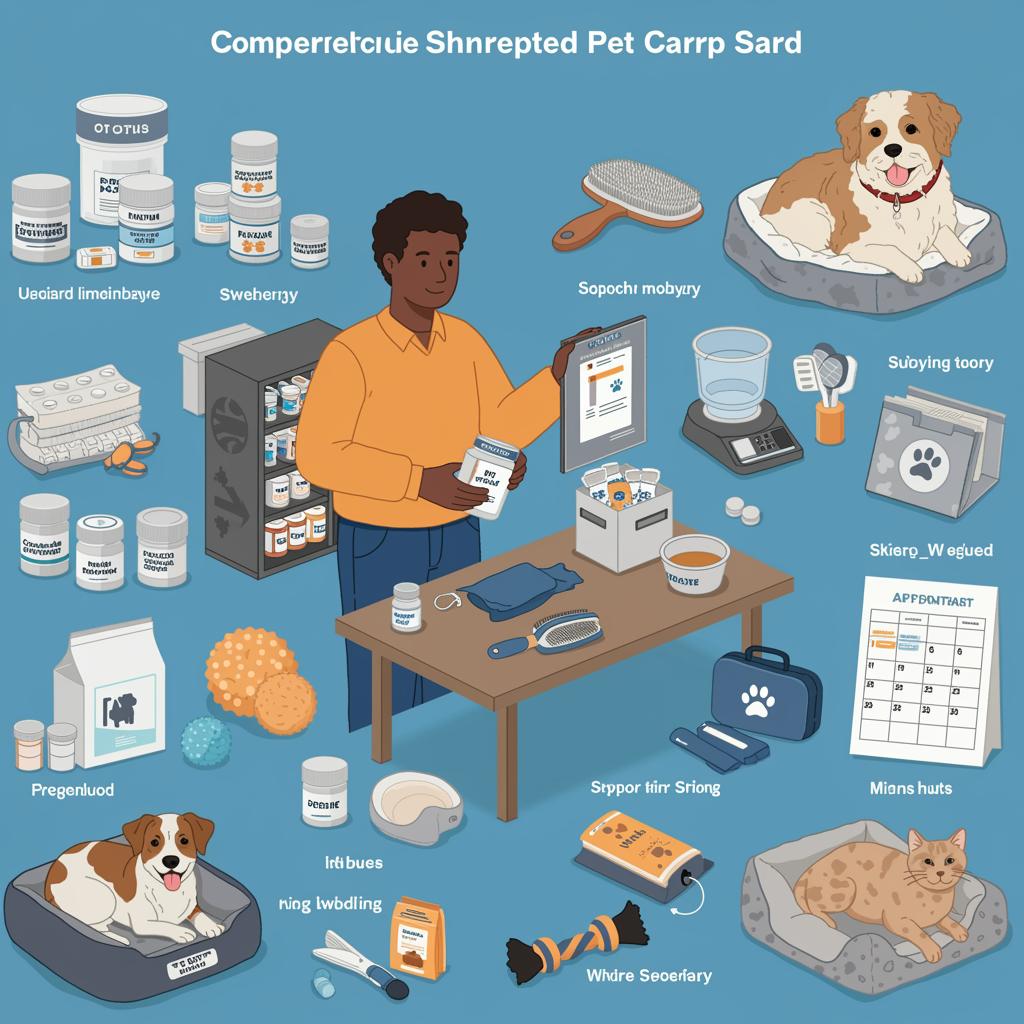
Inspired to create your own adoption story? Consider these steps.
First, assess your lifestyle realistically. Different animals have different needs for space, exercise, social interaction, and training. Many shelters offer matching services to help identify compatible pets.
Second, keep an open mind. Like many of our featured adopters, you may find connection with an animal you had not initially considered, whether a different breed, age, or species than you imagined.
Third, prepare for adjustment periods. Most rescue animals need time to decompress and learn to trust. Patience during this transition is essential.
Fourth, connect with resources. Many shelters offer post-adoption support, training assistance, and community connections with other adopters.
Fifth, consider fostering. If you are uncertain about permanent adoption, fostering provides temporary homes for animals while helping them become more adoptable through socialization.
Conclusion
When you adopt an animal, you are not just changing their story. You are changing your own, reflects Dr. Elena Marquez, veterinarian and animal welfare advocate. That is the magic of adoption. Two life trajectories intersect and transform each other.
Whether providing companionship to seniors, emotional support to those struggling with mental health challenges, or teaching children about compassion and responsibility, adopted pets offer gifts that extend far beyond their rescue moment.
These animals have so much to give, Dr. Marquez continues. All they need is the opportunity to show us. Every adoption creates space for another animal in the shelter system, potentially saving two lives. The one you take home and the one who can now take their place.
In the face of daunting statistics about homeless pets, individual adoption stories remind us that meaningful change happens one heart, one home, and one wagging tail at a time.
The views expressed in this article are those of the author and do not necessarily reflect the views of WriteFlow. WriteFlow does not endorse this content and does not guarantee its accuracy or completeness.

Comments (0)