What Your Pet Wishes You Knew: Insights from Vets and Trainers


Introduction
Ever wonder what is going on behind those soulful eyes? Your pet is constantly communicating with you, but much of what they are trying to tell you may be getting lost in translation. We have consulted top veterinarians and animal behaviorists to decode your pet's secret language and share what they wish you understood about them.
Body Language Speaks Volumes
Animals communicate primarily through body language, not vocalization, explains Dr. Sarah Chen, a veterinary behaviorist at Pacific Animal Hospital. When owners learn to read these subtle cues, it transforms their relationship with their pets.
For dogs, a wagging tail does not always signal happiness. A high, stiff wag can indicate alertness or even aggression, while a low, loose wag typically means genuine contentment. Cats communicate extensively through their tails as well. A puffed tail signals fear, while a gently swaying tail often means they are assessing a situation.
Pay attention to the entire body, advises trainer Marco Rodriguez. A dog may approach with a wagging tail but have tense shoulders and a fixed gaze. That is not a relaxed dog.
They Need Mental Stimulation, Not Just Physical Exercise
One of the biggest misconceptions is that a tired dog is a good dog, says canine behaviorist Amelia Thompson. What many dogs actually need is mental enrichment, not just physical exhaustion.
Both cats and dogs are problem-solvers by nature. Food puzzles, training sessions, and interactive toys that challenge their minds can prevent destructive behaviors and reduce anxiety. For cats, hunting simulations and climbing opportunities fulfill natural instincts.
A fifteen-minute training session can tire a dog more than an hour-long walk, Thompson notes. It engages different parts of their brain and satisfies their need for purpose.
Your Emotions Affect Them Profoundly
Animals are incredibly attuned to human emotions, often absorbing the stress and anxiety of their owners.
Pets do not understand the context of your emotions, but they feel them intensely, says Dr. Rajiv Patel, a veterinarian and animal behavior specialist. When you are anxious about a thunderstorm, your dog does not know why you are anxious. They just know something must be wrong, which heightens their own fear.
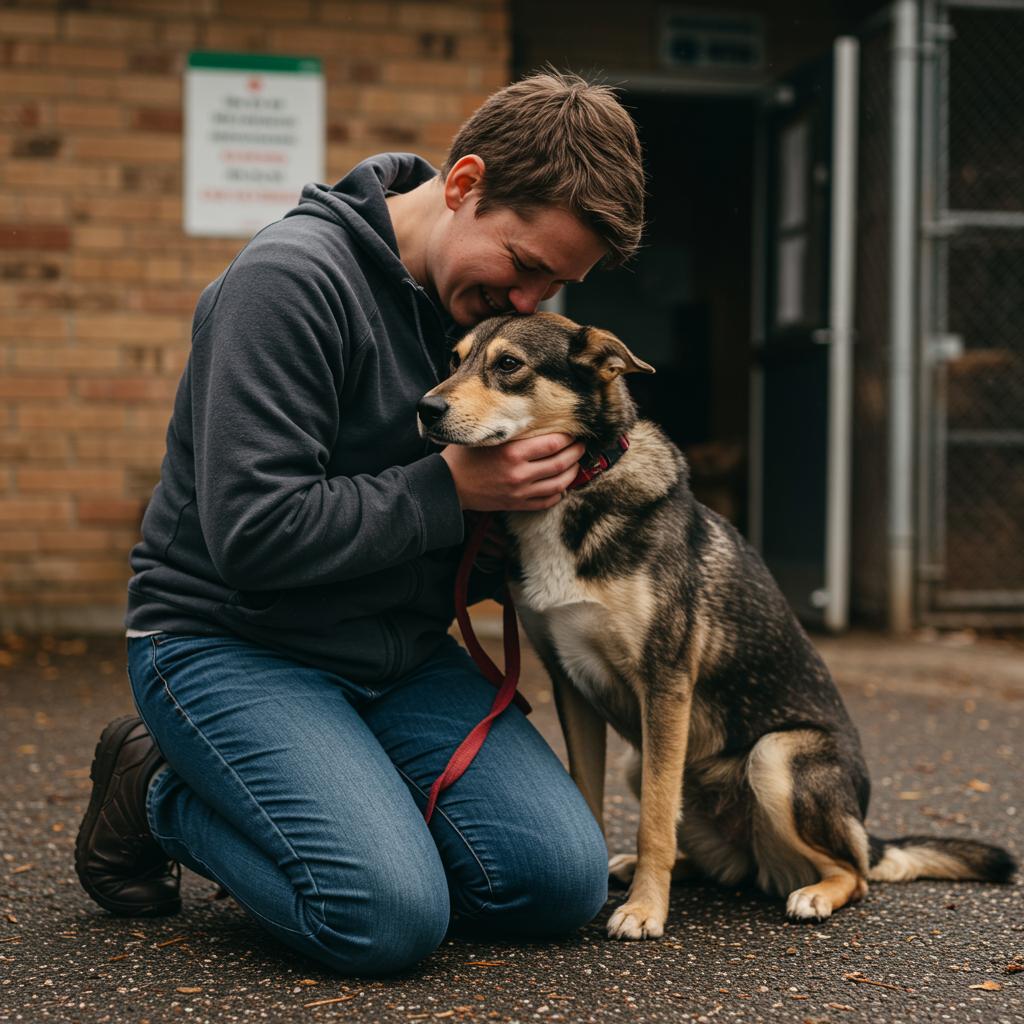
This emotional connection works both ways. Studies show that positive interactions with pets can lower human blood pressure and reduce stress hormones. Creating a calm environment benefits both you and your animal companions.
They Need Consistency and Clear Boundaries
Animals thrive on predictability, explains canine trainer Lisa Montgomery. When rules constantly change—sometimes they can jump on the couch, sometimes they get scolded for it—it creates confusion and anxiety.
This consistency extends to training methods. Using different commands for the same behavior or inconsistently enforcing rules makes it difficult for pets to understand expectations.
Decide on household rules and make sure everyone follows them, Montgomery advises. It is about being fair to your pet and setting them up for success.
Medical Issues Often Manifest as Behavior Problems
When pets suddenly develop behavior problems, many owners assume it is a training issue when it could actually signal health concerns.
If your well-trained cat starts urinating outside the litter box or your friendly dog becomes snippy, your first stop should be the veterinarian, not the trainer, says Dr. Chen. Pain and discomfort frequently manifest as behavior changes before other obvious symptoms appear.
For example, aggression when touched in certain areas may indicate underlying pain. House-soiling issues could signal urinary tract infections or digestive problems. Sudden neediness or withdrawal can be potential signs of illness or discomfort.
They Process Time Differently
Dogs and cats live in the present moment, says Rodriguez. Punishing them for something that happened hours ago is not only ineffective but confusing and stressful for them.
This difference in time perception means that correction needs to happen within seconds of an unwanted behavior for the animal to make the connection. It also explains why patience is crucial during training. What seems like a simple concept to you might take many repetitions for your pet to understand.
They Are Not Being Spiteful
The single biggest misconception I encounter is owners believing their pets act out of spite, says Dr. Patel. Animals do not have the cognitive capacity to plan revenge or act maliciously.
When your dog destroys a cushion after being left alone, they are not punishing you for leaving. They are likely experiencing separation anxiety or boredom. When your cat knocks items off shelves while making eye contact, they are seeking engagement, not plotting your emotional distress.
Understanding that behaviors have logical explanations rather than emotional motivations helps owners address the root causes more effectively, Dr. Patel adds.
They Need Social Connection on Their Terms
Both dogs and cats are social creatures, but they experience and express this need differently.
Dogs generally want to be part of the action, explains Thompson. They are social opportunists. Cats often prefer to observe from a comfortable distance, engaging on their own terms.
Respecting these differences means creating environments where animals can choose their level of social interaction. For cats, this might mean providing elevated perches where they can watch family activities without being in the middle of them. For dogs, it might mean teaching them a "place" command where they can relax nearby during busy times.
Conclusion: The Value of Understanding
The experts all agree on one fundamental truth. Deepening your understanding of how your pet communicates transforms your relationship. By learning their language—the subtle ear movements, the difference between types of purrs or barks, the body postures that signal comfort or stress—you build trust and connection.
When you truly understand what your pet is saying, you become their advocate, says Dr. Chen. You can explain their needs to others, create environments where they thrive, and build a relationship based on mutual respect rather than just obedience.
Taking the time to see the world through your pet's eyes does not just improve their quality of life. It enriches yours as well.
The views expressed in this article are those of the author and do not necessarily reflect the views of WriteFlow. WriteFlow does not endorse this content and does not guarantee its accuracy or completeness.



Comments (0)