Brain Boost: Courses That Change Lives

The Science of Cognitive Enhancement
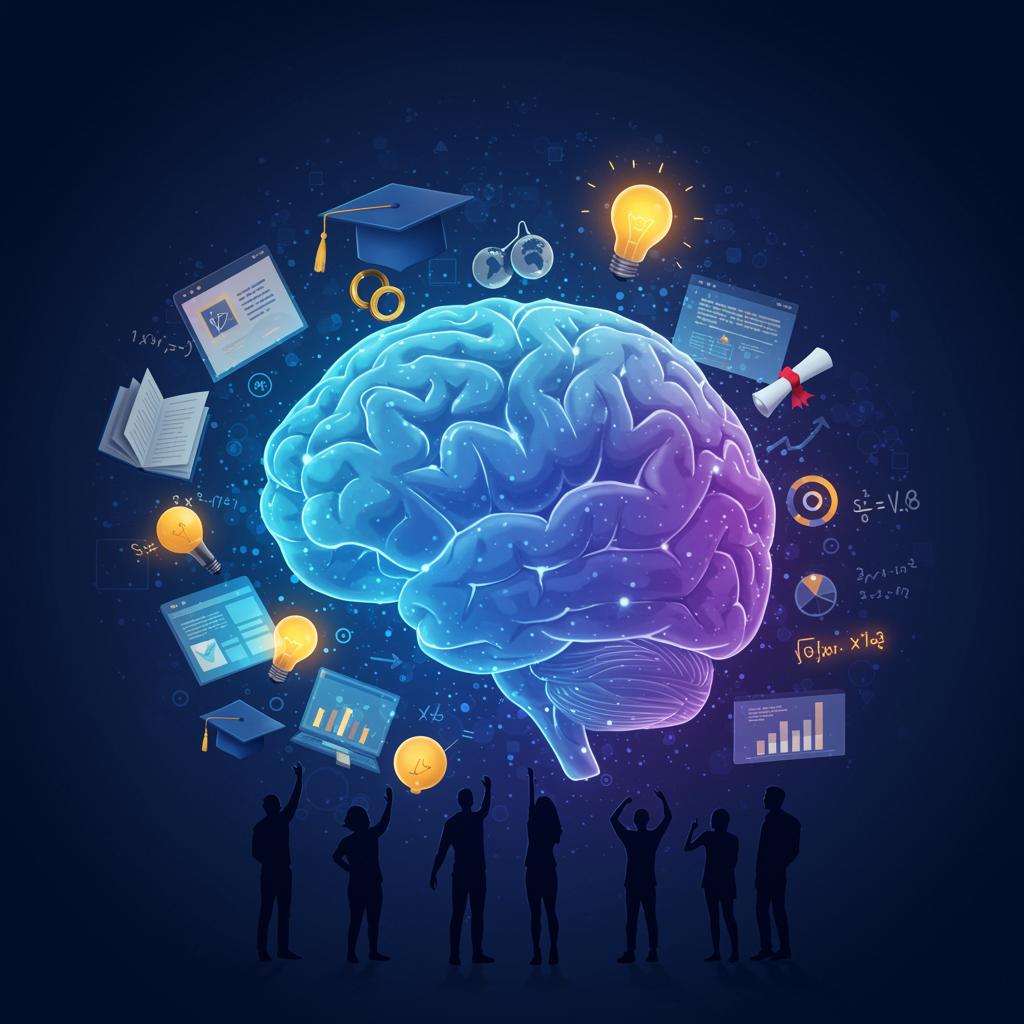
The human brain possesses an extraordinary capacity for transformation that extends far beyond childhood development. Neuroplasticity, the brain's ability to form new neural pathways and restructure existing ones, continues throughout our entire lives. This remarkable discovery has revolutionized our understanding of learning and opened doors to educational approaches that can literally rewire our thinking patterns. When we engage in challenging, structured learning experiences, we are not just acquiring information. We are fundamentally altering the architecture of our minds.
Modern neuroscience reveals that intensive learning experiences create measurable changes in brain structure and function. Studies using brain imaging technology show increased gray matter density in areas associated with specific skills after participants complete intensive training programs. This means that the right courses do not just teach you facts or procedures. They actually expand your cognitive capacity and create lasting improvements in how your brain processes information.
The concept of cognitive load theory explains why some learning experiences are more transformative than others. Courses that are designed with optimal cognitive load, challenging enough to stimulate growth but not so overwhelming as to cause cognitive overload, create the ideal conditions for profound learning. These experiences push your brain to develop new strategies, form novel connections, and strengthen existing neural networks in ways that produce lasting change.
Transformative Learning Categories
Language learning represents one of the most powerful forms of cognitive enhancement available through structured courses. Learning a new language does not just enable communication with different cultures. It fundamentally changes how your brain processes information. Bilingual individuals demonstrate enhanced executive function, improved multitasking abilities, and greater cognitive flexibility. Intensive language immersion programs, whether in-person or through advanced digital platforms, create neural changes that extend far beyond linguistic ability.
Mathematics and analytical thinking courses provide another avenue for profound cognitive transformation. Advanced mathematics training enhances pattern recognition, logical reasoning, and abstract thinking capabilities. Courses in statistics, calculus, or mathematical modeling do not just teach computational skills. They develop mental frameworks for understanding complex relationships and making data-driven decisions. These cognitive tools become applicable across diverse fields, from business strategy to creative problem-solving.
Creative disciplines offer unique pathways to cognitive enhancement that complement analytical training. Courses in music theory and composition, visual arts, creative writing, or design thinking activate different neural networks and promote innovative thinking patterns. The integration of creative and analytical learning creates cognitive flexibility that enables breakthrough insights and novel solutions to complex problems.
Technology-Enabled Learning Revolution
The digital revolution has created unprecedented opportunities for transformative learning experiences. Adaptive learning platforms use artificial intelligence to customize course content and pacing to individual learning patterns, optimizing the cognitive load for maximum retention and skill development. These systems can identify knowledge gaps in real time and provide targeted interventions that accelerate learning progress.
Virtual and augmented reality technologies are beginning to create immersive learning environments that engage multiple senses and create more memorable learning experiences. Medical students can perform virtual surgeries, history students can walk through ancient Rome, and language learners can practice conversations in simulated real-world environments. These technologies create neural pathways that are more robust and accessible than traditional learning methods.
Massive open online courses have democratized access to world-class educational content, making transformative learning opportunities available to anyone with internet access. Platforms offering courses from leading universities and industry experts provide structured learning paths that can completely reshape career trajectories. The key to success with online learning lies in choosing courses with strong pedagogical design, interactive elements, and community support systems.
Professional Skill Development
Technical skills training has become increasingly crucial in our rapidly evolving economy. Coding bootcamps and data science programs offer intensive, immersive experiences that can transform complete beginners into capable professionals in months rather than years. These programs succeed because they combine theoretical knowledge with hands-on projects, creating neural pathways that support both understanding and practical application.
Leadership and management development courses provide frameworks for understanding human behavior, decision-making processes, and organizational dynamics. The most effective programs combine case study analysis, role-playing exercises, and real-world project applications. These experiences do not just teach management techniques. They develop emotional intelligence, strategic thinking, and communication skills that transform how individuals interact with others and approach complex challenges.
Financial literacy and investment education represent another category of life-changing learning. Courses that teach fundamental financial principles, investment strategies, and entrepreneurial thinking provide cognitive frameworks for making decisions that can dramatically impact long-term financial outcomes. Understanding compound interest, risk assessment, and market dynamics creates mental models that influence decision-making across many areas of life.
Cognitive Enhancement Through Specialized Training
Memory training and cognitive enhancement courses tap into the brain's natural capacity for improvement through targeted exercises and techniques. Programs that teach memory palace techniques, speed reading, or cognitive flexibility exercises can produce measurable improvements in mental performance. These skills create cascading benefits across other areas of learning and professional performance.
Meditation and mindfulness training, while often viewed as spiritual practices, produce documented changes in brain structure and function. Courses in mindfulness-based stress reduction or contemplative practices enhance attention regulation, emotional control, and cognitive flexibility. These changes support better learning in other areas and improve overall mental performance and well-being.
Critical thinking and logic courses provide foundational skills for navigating our information-rich world. Programs that teach argument analysis, logical fallacy identification, and evidence evaluation create cognitive frameworks for making better decisions and avoiding common thinking errors. These skills become increasingly valuable as we face complex problems that require careful analysis and sound reasoning.
The Neuroscience of Skill Acquisition
Understanding how the brain learns skills can help you choose courses that maximize cognitive benefits. Motor skill learning, such as playing musical instruments or learning new physical activities, creates neural changes that extend beyond the specific skill being learned. These activities enhance coordination between brain regions and improve overall cognitive function.
Deliberate practice, a concept from performance psychology, explains why some learning experiences are more transformative than others. Courses that incorporate deliberate practice principles, including focused attention, immediate feedback, and progressive challenge, create more robust neural pathways and faster skill acquisition. This explains why intensive, well-designed bootcamps often produce better results than longer, less focused programs.
The spacing effect demonstrates that distributed learning over time creates stronger neural pathways than massed practice. Courses that incorporate spaced repetition and review sessions produce more lasting cognitive changes than those that attempt to compress learning into shorter timeframes. Understanding these principles helps you evaluate course design and choose programs that optimize your cognitive investment.
Building Your Learning Portfolio
Creating a strategic approach to transformative learning requires considering both immediate needs and long-term cognitive development goals. A well-designed learning portfolio might include technical skills relevant to your career, creative pursuits that enhance cognitive flexibility, and foundational knowledge that provides context for understanding complex issues.
The concept of learning transfer suggests that skills acquired in one domain can enhance performance in seemingly unrelated areas. This means that studying music might improve mathematical reasoning, learning a martial art could enhance business negotiation skills, and studying philosophy might improve scientific thinking. The key is choosing courses that develop transferable cognitive abilities rather than narrow, specialized knowledge.
Sequencing your learning experiences strategically can amplify their cognitive benefits. Building foundational skills before attempting advanced courses creates better learning outcomes and reduces cognitive overload. This might mean taking a logic course before studying computer programming, or developing basic statistical literacy before pursuing advanced data analysis training.
Overcoming Learning Barriers
Many individuals avoid transformative learning opportunities due to limiting beliefs about their cognitive capacity. The fixed mindset, which assumes that intelligence and abilities are static, prevents people from engaging in challenging learning experiences. Developing a growth mindset, the belief that abilities can be developed through effort and effective strategies, is essential for accessing the brain's full potential for transformation.
Time constraints represent another significant barrier to transformative learning. However, research shows that even short, intensive learning experiences can produce lasting cognitive changes. Micro-learning approaches, weekend intensives, and evening programs can provide transformative experiences without requiring major lifestyle changes. The key is choosing high-quality, well-designed programs that maximize learning efficiency.
Financial barriers can prevent access to transformative learning opportunities, but numerous high-quality, low-cost options exist. Many universities offer free online courses, libraries provide access to learning resources, and professional organizations often provide educational opportunities to members. The democratization of knowledge through digital platforms means that financial constraints need not prevent cognitive transformation.
Measuring Transformation
Assessing the impact of transformative learning experiences requires looking beyond traditional metrics like grades or completion certificates. Cognitive transformation often manifests as improved problem-solving abilities, enhanced creativity, better decision-making skills, and increased confidence in tackling complex challenges. These changes may become apparent weeks or months after completing a course as new neural pathways strengthen and integrate with existing knowledge.
Career advancement and increased earning potential often follow transformative learning experiences, but these outcomes may not be immediately visible. The cognitive frameworks and skills developed through intensive learning create compound benefits over time, leading to opportunities and capabilities that would not have been possible otherwise. Tracking these long-term outcomes helps demonstrate the value of investing in transformative education.
Personal satisfaction and increased engagement with learning itself represent important indicators of cognitive transformation. When courses successfully enhance cognitive capacity, they often ignite a passion for continued learning and intellectual growth. This creates a positive feedback loop where each learning experience makes subsequent learning more enjoyable and effective.
Creating Your Transformation Plan
Developing a strategic approach to cognitive enhancement begins with honest self-assessment of current capabilities and desired outcomes. This evaluation should consider both professional goals and personal interests, as intrinsic motivation significantly impacts learning effectiveness. Identifying specific cognitive abilities you want to develop, whether analytical thinking, creative problem-solving, or communication skills, helps guide course selection.
Research potential learning opportunities thoroughly, considering factors like pedagogical approach, instructor credentials, peer reviews, and post-completion support. The most transformative courses often combine multiple learning modalities, provide opportunities for practice and feedback, and include community elements that support continued growth.
Create accountability systems that support your learning journey. This might involve finding learning partners, joining study groups, or establishing regular check-ins with mentors. External accountability significantly increases completion rates and learning effectiveness, particularly for challenging courses that require sustained effort over time.
The Ripple Effect of Cognitive Enhancement
The benefits of transformative learning extend far beyond individual advancement. Enhanced cognitive abilities improve family relationships, community participation, and professional collaboration. When individuals develop better thinking skills, they make more thoughtful decisions, communicate more effectively, and contribute more meaningfully to their communities.
The knowledge and skills gained through transformative courses often create opportunities to mentor others and share insights. This teaching and mentoring process reinforces learning and creates additional neural pathways that strengthen cognitive gains. Many individuals find that explaining concepts to others deepens their own understanding and reveals new connections they had not previously recognized.
Cognitive enhancement creates a ripple effect that influences future learning experiences. Each transformative course makes subsequent learning more efficient and effective, as enhanced cognitive abilities provide better foundations for acquiring new knowledge and skills. This creates an accelerating cycle of growth that compounds over time.
Your Cognitive Transformation Journey
The opportunity for cognitive transformation through structured learning has never been greater. Advanced understanding of neuroscience, innovative educational technologies, and unprecedented access to world-class content create conditions for profound personal and professional development. The question is not whether you have the capacity for cognitive enhancement. It is whether you are ready to invest in unlocking your brain's full potential.
Every course you take, every skill you develop, and every cognitive challenge you embrace contributes to the ongoing transformation of your mental capabilities. The most successful individuals view learning as a continuous process of cognitive enhancement rather than a series of discrete educational events. They understand that in a rapidly changing world, the ability to learn and adapt becomes more valuable than any specific knowledge or skill.
Your brain is waiting to be transformed. The courses that will change your life are available now, ready to create new neural pathways and unlock cognitive abilities you did not know you possessed. The investment you make in transformative learning today will compound over time, creating opportunities and capabilities that will benefit you for decades to come. The only question is which transformation you will choose first.
The views expressed in this article are those of the author and do not necessarily reflect the views of WriteFlow. WriteFlow does not endorse this content and does not guarantee its accuracy or completeness.




Comments (0)