How to Speak Your Pet's Language: Emotional Bonding Secrets

Introduction
Creating a profound emotional connection with your pet goes beyond basic care. It requires learning to communicate in ways they truly understand. This guide reveals the secrets to deepening your bond by understanding and responding to your pet's unique language.
The Power of Observation
The first step in communicating with your pet is becoming an attentive observer. Animals express themselves constantly through subtle body movements, vocalizations, and behavioral patterns. Spend time simply watching your pet in different situations—during play, rest, and interactions with others. Notice how their body language shifts with their emotional state. This mindful observation builds the foundation for understanding their personal communication style.
Decoding Body Language
Each species has its own body language dictionary. Dogs communicate through tail position, ear movements, and facial expressions. A relaxed, wagging tail often signals happiness, while a tucked tail may indicate fear. Cats use their tails, eyes, and whiskers as communication tools—slow blinking often signals trust and affection. Even smaller pets like rabbits or guinea pigs have elaborate body language systems. Learning these physical cues allows you to respond appropriately to your pet's emotional needs.
Vocalizations: Their Verbal Dictionary
Your pet's sounds carry specific meanings. Dogs do not just bark. They whine, growl, and make distinctive sounds that indicate different needs. Cats have an extensive vocal range beyond meowing, including chirps, trills, and purrs. Birds develop unique calls for their owners. Pay attention to the context, intensity, and pattern of these sounds to understand what your pet is trying to tell you.
Establishing Consistent Communication
Pets thrive on consistency. Use the same words, gestures, or tones when communicating specific messages. This creates a shared language that your pet can reliably interpret. For example, always use the same gentle voice for comfort and a specific hand signal for certain commands. Over time, this consistency builds a communication system that both of you understand.
The Ritual of Greeting
How you greet your pet sets the tone for your relationship. Create special arrival and departure rituals that reassure your pet. For some animals, this might mean getting down to their level and offering gentle physical contact. For others, it might involve specific words or sounds they have come to associate with your return. These rituals provide emotional security and reinforce your bond.
Physical Touch: Speaking Through Contact
Different pets have different preferences for physical interaction. Some dogs love full-body contact, while many cats prefer gentle scratches in specific areas. Rabbits might enjoy soft strokes along their backs, and some birds appreciate gentle head scratches. Learn your pet's touch preferences by noticing when they lean in or pull away. Respecting these boundaries demonstrates your attentiveness to their comfort.
Eye Contact and Its Meaning
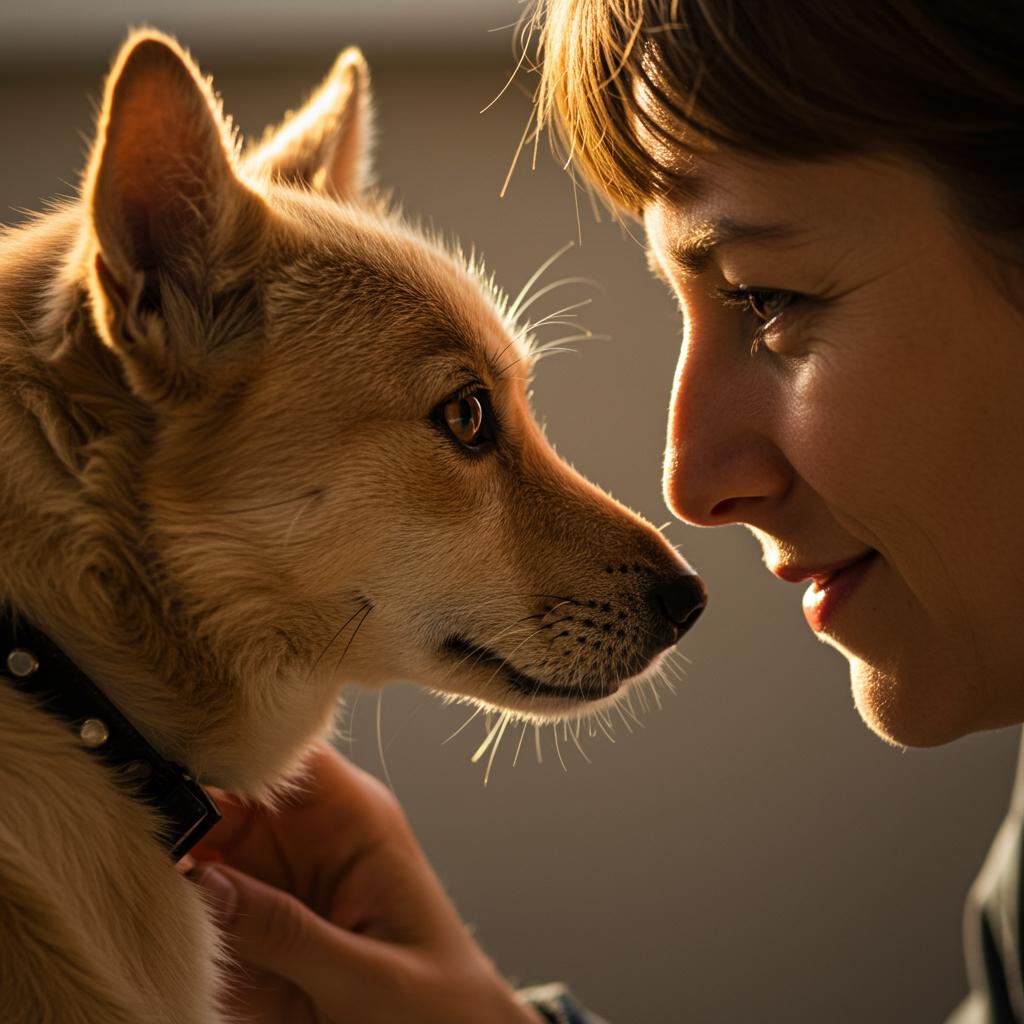
Eye contact carries significant weight in the animal kingdom. For dogs, soft, direct eye contact can build trust, while hard staring may seem threatening. Many cats communicate affection through slow blinks—often called "cat kisses." Learning appropriate eye communication for your specific pet's species helps establish mutual respect and understanding.
Creating Emotional Safety
Pets are incredibly sensitive to the emotional atmosphere around them. Creating a calm, predictable environment helps your pet feel secure enough to express themselves authentically. Manage your own emotional energy when interacting with your pet, as they often mirror your emotional state. This emotional attunement is the foundation of deep interspecies bonding.
The Language of Play
Play is a universal language of connection. Each pet has preferred play styles. Some enjoy chase games, others prefer gentle wrestling or fetch. By engaging in the types of play your pet naturally gravitates toward, you are speaking directly to their instinctual needs. Regular play sessions strengthen your emotional bond while providing necessary physical and mental stimulation.
The Gift of Presence
Perhaps the most profound way to communicate with your pet is through mindful presence. In a world of constant distraction, giving your pet your full attention—even for short periods—communicates volumes about their importance in your life. Put away electronic devices, sit quietly with your pet, and simply share the moment. This quality time builds trust and deepens your emotional connection.
Conclusion
Understanding your pet's language is not just about better care. It is about creating a relationship built on mutual respect and genuine communication. By learning to speak their language, you open the door to a more meaningful connection that enhances both your lives immeasurably.
The views expressed in this article are those of the author and do not necessarily reflect the views of WriteFlow. WriteFlow does not endorse this content and does not guarantee its accuracy or completeness.


Comments (0)