Why Pets Make Life Better: Science-Backed Reasons to Love Animals

Introduction
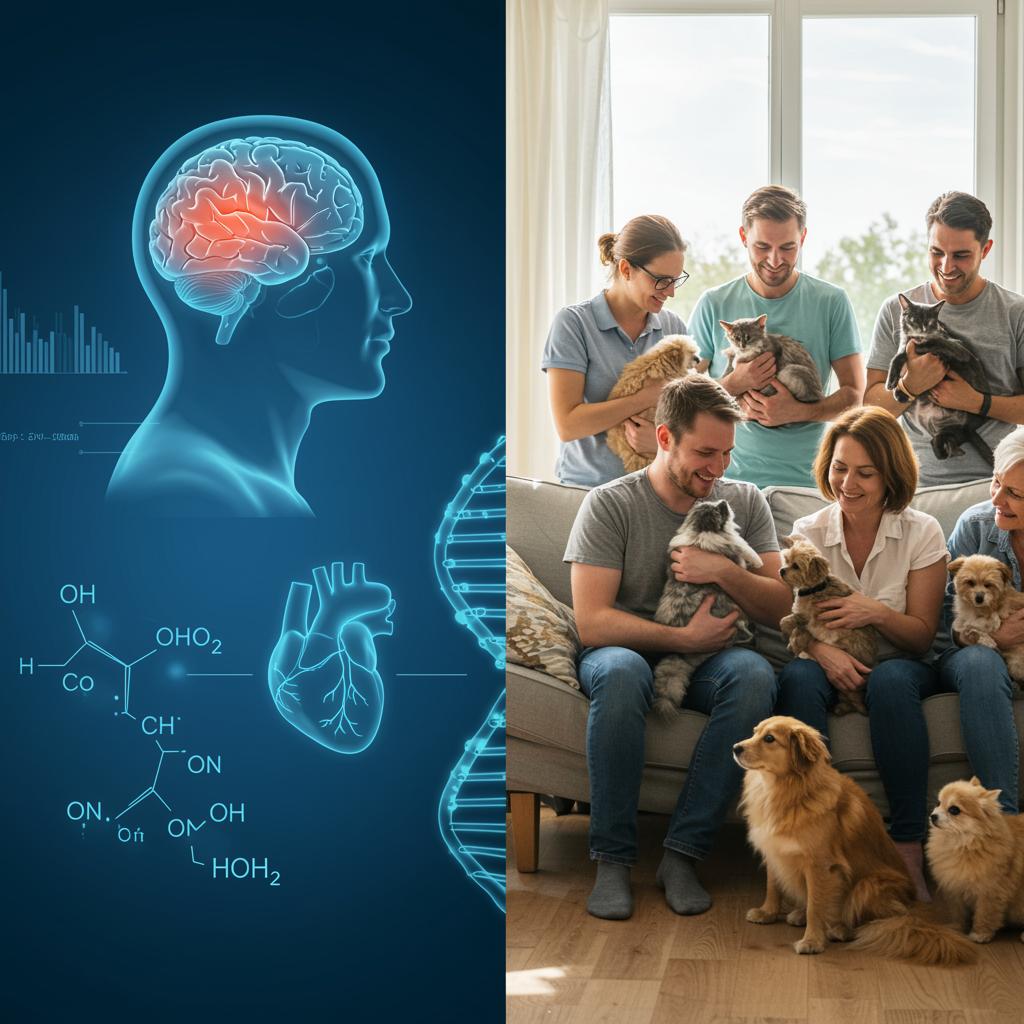
The special bond between humans and animals extends far beyond companionship. It is a relationship supported by fascinating scientific research. From physical health benefits to profound psychological impacts, the evidence supporting pet ownership continues to grow. Here is what science reveals about how our animal companions enhance our lives.
Physical Health: The Tangible Benefits
Research consistently demonstrates that pet ownership correlates with improved physical wellbeing. Studies published in the Journal of the American Heart Association show that dog owners have lower blood pressure and improved cholesterol levels compared to non-owners. The necessity of regular walks and outdoor activities with dogs contributes to increased physical activity, with dog owners averaging thirty minutes more exercise daily than their pet-free counterparts.
Even more remarkable, a large-scale Swedish study tracking over 3.4 million people found that dog owners had a thirty-three percent lower risk of death and thirty-six percent lower risk of cardiovascular disease. Cat owners are not left out either. Research suggests that a cat's purr vibrates at a frequency that promotes tissue healing and bone strength, potentially offering therapeutic benefits to their human companions.
Stress Reduction: Nature's Anxiety Treatment
In our high-pressure world, pets provide natural stress relief. Interaction with animals triggers increased production of oxytocin, often called the love hormone, while simultaneously decreasing cortisol, the body's primary stress hormone. This biochemical shift explains why petting an animal for just ten minutes can significantly reduce anxiety levels.
This stress-reducing effect has practical applications. Universities increasingly bring therapy animals to campus during exam periods, with studies showing students who interact with these animals experience marked decreases in stress markers. Medical facilities employ animal-assisted therapy to help patients manage pain and anxiety during treatment and recovery.
Emotional Support: The Psychological Impact
The emotional benefits of pet companionship are particularly profound. Research published in the Journal of Personality and Social Psychology demonstrates that pet owners exhibit greater self-esteem, tend to be less lonely, and show more positive personality traits like conscientiousness and reduced neuroticism compared to non-owners.
For those facing depression, pets provide structure, purpose, and unconditional acceptance. A landmark study in the Journal of Psychiatric Research found that pet owners with major depression who were strongly attached to their pets experienced significantly less depressive symptoms than those without animal companions. The responsibility of caring for another living being creates meaningful routine while combating isolation.
Social Connection: Breaking the Ice
Pets serve as powerful social catalysts. Research from the University of Western Australia found that pet owners were sixty percent more likely to get to know people in their neighborhood than non-pet owners. Dog walking, in particular, creates natural opportunities for casual social interaction, with one study showing that walking with a dog resulted in three times as many social interactions compared to walking alone.
For children, growing up with pets builds empathy and social skills. Studies show that children who participate in caring for family pets demonstrate greater emotional intelligence and nurturing behaviors. These skills translate to human relationships, with pet-owning children often showing enhanced ability to read nonverbal cues and develop empathy.
Cognitive Development and Aging: Benefits Across Lifespans
The cognitive benefits of pet ownership span all age groups. For children, having animal companions correlates with improved reading skills when children regularly read aloud to pets, likely due to the non-judgmental audience. Research also indicates that children with pets tend to have fewer school absences and better immune function.
For older adults, pet ownership may help maintain cognitive function. A study in the Journal of Aging and Health found that older adults with pets exhibited less cognitive decline over time. The daily responsibilities of pet care provide mental stimulation and purpose, while animal companionship reduces the isolation that often accelerates cognitive deterioration.
Immune System Enhancement: The Hygiene Hypothesis
Contrary to concerns about allergies, research increasingly supports the hygiene hypothesis, the theory that early exposure to pets may actually strengthen immune systems. Studies published in JAMA Pediatrics found that children exposed to dogs or farm animals during their first year showed significantly reduced risk of asthma and allergies later in life.
The microbiome diversity that comes from living with animals appears to train human immune systems more effectively. Research published in the New England Journal of Medicine demonstrates that children in pet-owning households develop more robust immune responses and fewer autoimmune conditions than those in pet-free homes.
Crisis Support: Pandemic Insights
The COVID-19 pandemic provided unprecedented insights into pets' psychological benefits during crisis periods. Multiple studies conducted during lockdowns found that pet owners reported less loneliness and better mental health outcomes than non-owners. The consistency of animal companionship offered stability during extreme uncertainty, with many pet owners citing their animals as crucial emotional support during isolation.
Recovery and Rehabilitation: Medical Applications
The therapeutic potential of animals extends into clinical settings. Patients recovering from surgery or serious illness often show improved outcomes with animal-assisted therapy. A study at UCLA Medical Center found that heart failure patients who received visits from therapy dogs showed decreased anxiety, lower blood pressure, and reduced levels of neurohormones that constrict blood vessels.
For individuals with post-traumatic stress disorder, specially trained service dogs can interrupt anxiety attacks, provide security checks, and offer deep pressure therapy during emotional distress. Research with veterans shows that those paired with service dogs demonstrate significantly reduced symptoms and medication needs compared to those on waiting lists.
The Intangible Connection: Mindfulness and Presence
Perhaps the most profound benefit pets offer is their natural embodiment of mindfulness. Animals live completely in the present moment, a state humans often struggle to achieve. This modeling of presence, combined with the responsibility of care, creates a unique relationship that pulls owners into the here and now.
Conclusion
The science is clear. Our animal companions enhance our lives in measurable, meaningful ways. From cardiovascular health to emotional resilience, pets contribute to human wellbeing through mechanisms we are only beginning to fully understand. For animal lovers, this research confirms what they have always known intuitively. Life is simply better with pets.
The views expressed in this article are those of the author and do not necessarily reflect the views of WriteFlow. WriteFlow does not endorse this content and does not guarantee its accuracy or completeness.



Comments (0)